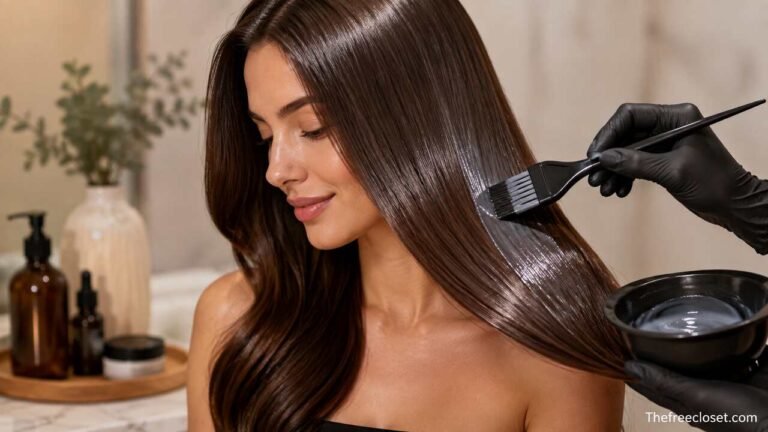
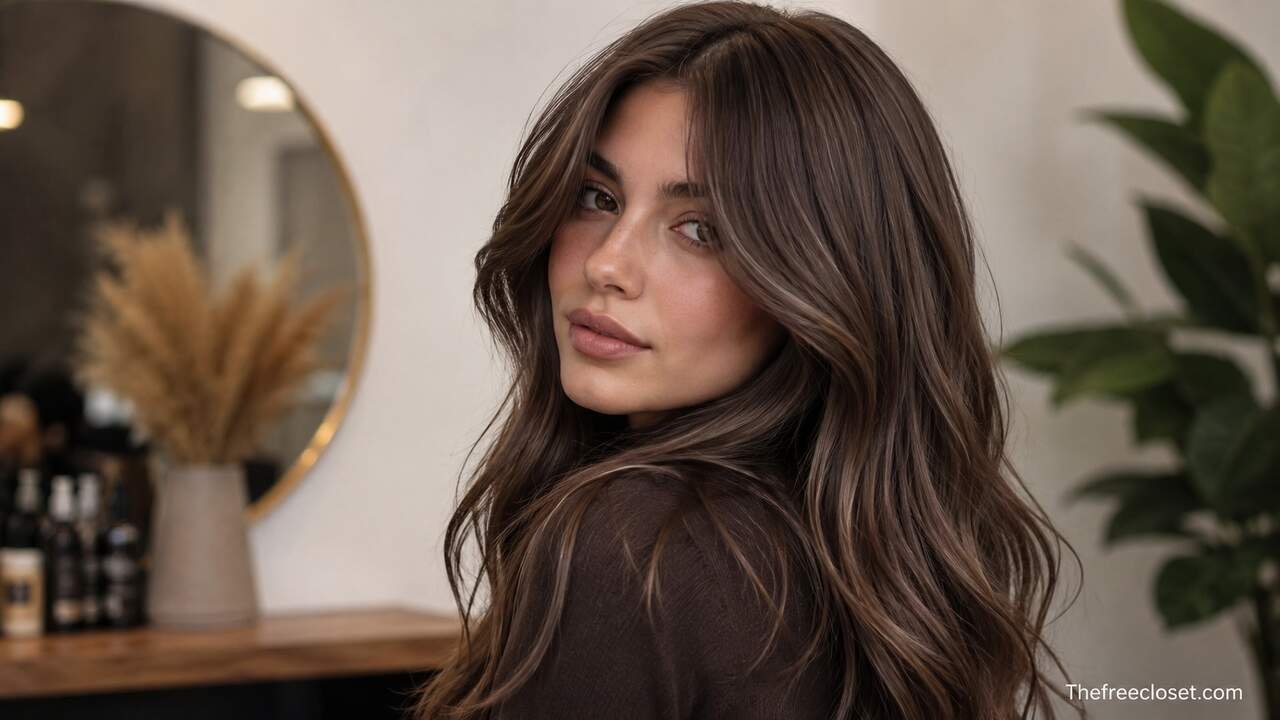
Mushroom Brown Hair Color: How to Achieve, Maintain, and Style the Perfect Cool-Toned Brown
Mushroom brown hair color is a modern, cool-toned brunette shade that blends brown, taupe, ash, beige, and subtle gray tones for a soft, natural finish. Available in variations such as dark mushroom brown, balayage, and highlights, the final result depends on your starting hair color, undertones, coloring technique, and maintenance routine.
Choose the Right Mushroom Brown Hair Color for Your Desired Look
Start by choosing the depth and tonal balance of mushroom brown that complements your complexion, natural hair color, and preferred level of maintenance. Mushroom brown is not one fixed shade. It represents a family of cool and neutral brunette colors characterized by muted brown, ash, taupe, beige, and occasionally gray undertones. The combination determines whether the finished color looks darker, lighter, softer, or more dimensional.
Dark mushroom brown usually maintains a medium-to-deep brunette base with cool ash or taupe accents. Classic mushroom brown sits around a medium brunette range and may contain several cool-toned variations. Light mushroom brown incorporates more beige and dark-blonde elements, while mushroom brown balayage keeps a darker root and introduces lighter mushroom-colored sections through the mid-lengths and ends.
Your skin’s undertone can help guide your selection. Cool and neutral complexions often coordinate naturally with ash, taupe, and gray-brown shades. People with warmer complexions can also wear mushroom brown, but incorporating neutral beige instead of excessive gray can create a more balanced result. Hair color should ultimately be selected according to the overall effect you prefer rather than rigid complexion rules.
| Mushroom Brown Variation | Main Tones | Overall Appearance | Maintenance |
| Dark Mushroom Brown | Deep brown, ash, taupe | Rich and understated | Low to moderate |
| Classic Mushroom Brown | Brown, taupe, ash | Balanced and dimensional | Moderate |
| Light Mushroom Brown | Beige, ash, light brown | Soft and airy | Moderate to high |
| Mushroom Brown Balayage | Brown roots, taupe-beige lengths | Dimensional and blended | Moderate |
| Mushroom Brown Highlights | Cool brown with ash ribbons | Textured and multi-tonal | Moderate |
| Smoky Mushroom Brown | Brown, gray, cool ash | Dramatic and cool | Higher |
Evaluate Your Starting Hair Color Before Coloring
Examine your current hair carefully before attempting mushroom brown hair color because the starting base determines the amount of lifting, toning, and color correction required. Natural medium or light brown hair is generally one of the easiest starting points because it may already have sufficient depth for a mushroom brunette result. Darker and previously colored hair can require additional preparation.
Very dark brown or black hair usually needs some degree of lightening if you want visible taupe, beige, or ash dimension. Lightening dark hair exposes underlying warm pigments, often progressing through red, orange, yellow-orange, and yellow stages. These warm pigments must be controlled appropriately before the desired muted mushroom tones can become visible.
Previously dyed hair requires particular attention because artificial pigment behaves differently from natural pigment. Applying a lighter permanent color over previously dyed dark hair generally will not reliably remove the existing artificial pigment. Color removers, professional lightening, or corrective coloring may be necessary. Hair that has been repeatedly colored, bleached, chemically straightened, or otherwise processed should also be assessed for strength and porosity before additional chemical treatment.
Select Cool and Neutral Tones to Build the Mushroom Effect
Build mushroom brown hair color using a controlled combination of cool brown, ash, taupe, beige, and neutral shades rather than relying on a flat gray-brown color. The characteristic mushroom appearance comes from tonal complexity. Brown provides depth, ash controls excessive warmth, taupe introduces an earthy muted quality, and beige can soften the overall finish.
The balance between these tones is important. Too much ash on highly porous or very light hair can produce a dull, overly gray, or occasionally greenish-looking result. Too much beige or gold can move the hair away from mushroom brown and toward a warmer caramel brunette. A successful formula preserves enough neutral brown to keep the color natural while adding sufficient coolness to create the signature smoky finish.
Different sections of the hair may also require different formulas. Roots can remain deeper and more neutral, while mid-lengths receive cool brunette tones and lighter sections receive beige-taupe toning. This multi-formula approach creates depth and prevents the hair from looking like a single solid block of color.
Lighten Dark Hair Carefully Before Adding Mushroom Tones
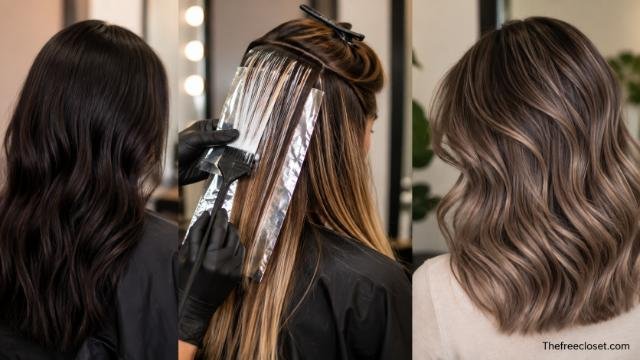
Lighten dark hair only as much as necessary to reveal the mushroom tones you want. If your goal is a dark mushroom brunette, extensive bleaching may not be necessary. If you want light mushroom brown balayage or visible taupe highlights on very dark hair, however, selected sections generally need to be lifted sufficiently before they can accept the desired toner.
The underlying pigment exposed during lightening has a major influence on the final shade. Dark hair commonly reveals significant warmth as it becomes lighter. Placing a cool mushroom toner over hair that remains too dark or too orange may not create the soft taupe result shown in inspiration photographs. The base must be appropriate for the target shade.
Professional assistance is particularly valuable when significant lightening is required. Overlapping lightener onto previously bleached sections can cause breakage, uneven porosity, and inconsistent color. A stylist can control placement, processing, and strength while preserving darker areas that provide the depth needed for a dimensional mushroom brunette.
Create Dimension with Balayage, Highlights, or Lowlights
Use balayage, highlights, lowlights, or a combination of techniques to make mushroom brown hair appear naturally dimensional. Because the color family contains several muted tones, variation in lightness allows taupe, ash, beige, and brunette shades to remain visible instead of blending into one flat color.
Mushroom brown balayage is particularly effective for people who prefer a softer grow-out. The roots remain relatively deep, while selected sections become gradually lighter toward the ends. After lightening, those sections can be toned into muted beige, taupe, or ash-brown shades. The transition between the root and lighter lengths creates a natural shadowed effect.
Highlights create more noticeable ribbons throughout the hair. Fine highlights can produce subtle movement, while broader sections create stronger contrast. Lowlights perform the opposite function by restoring depth to hair that has become excessively light. Combining cool highlights with neutral brunette lowlights can produce a sophisticated multi-dimensional mushroom brown finish.
Apply a Root Shadow for a Natural Transition
Add a root shadow when you want mushroom brown hair to grow out more softly and maintain visual depth around the scalp. A root shadow uses a slightly deeper shade near the roots and blends it into lighter mid-lengths. This technique works particularly well with mushroom balayage and highlighted brunette styles.
The root color does not have to be extremely dark. A shade close to the natural base often creates the most seamless effect. Neutral or cool brunette tones usually work well because they connect the natural root with the ash, beige, and taupe shades throughout the rest of the hair.
A deeper root can also make lighter mushroom pieces appear brighter through contrast. This allows the hair to look dimensional without requiring every section to be lifted to a very light level. As the natural hair grows, the difference between new growth and colored hair may also appear less obvious than it would with an all-over light mushroom shade.
Neutralize Unwanted Orange, Red, and Yellow Undertones
Control unwanted warmth carefully because mushroom brown depends on a muted, cool-to-neutral appearance. Hair naturally contains underlying warm pigments, and lightening often exposes them. The correct neutralizing approach depends on which warm tone is visible rather than simply applying the strongest ash product available.
Color theory provides a useful framework. Blue counteracts orange, violet counteracts yellow, and green can counteract red. However, hair coloring is more complex than applying complementary colors mechanically. The level of the hair, its porosity, existing artificial pigment, and the concentration of the corrective tone all affect the outcome.
Over-neutralization can make mushroom brown look excessively gray, muddy, or unnatural. For that reason, the goal is usually controlled neutrality rather than eliminating every trace of warmth. A small amount of beige or neutral brown can keep the result wearable while ash and taupe shades create the recognizable mushroom effect.
| Visible Undertone | Common Appearance | Typical Corrective Direction | Desired Effect |
| Red | Warm deep brunette | Green-based correction | More neutral brown |
| Orange | Brassy medium brown | Blue-based correction | Cooler brunette |
| Yellow-orange | Warm light brown | Blue-violet correction | Muted beige-brown |
| Yellow | Brassy blonde sections | Violet correction | Cleaner beige/ash |
| Excessive gray | Dull or smoky | Neutral/beige adjustment | Softer mushroom tone |
Tone the Hair to Achieve a Taupe and Ash Finish
Apply an appropriate toner after lightening to transform raw warm highlights into refined mushroom shades. Lightening determines how bright a section becomes, while toning controls its visible character. This distinction is essential when creating mushroom brown balayage or highlights.
A mushroom toner may incorporate ash, beige, neutral brown, or taupe characteristics depending on the starting level. Darker lifted pieces may require a cool brunette formula, whereas lighter sections can support softer beige and taupe tones. Toners can also be mixed or applied strategically to different sections to create variation.
Porosity affects toner absorption. Highly porous ends can absorb cool pigment rapidly and become darker or grayer than healthier sections. Professionals may use different processing times, formulas, or porosity-equalizing techniques to prevent this. At-home users should follow manufacturer instructions carefully and perform strand tests when appropriate.
Protect Hair Condition During the Coloring Process
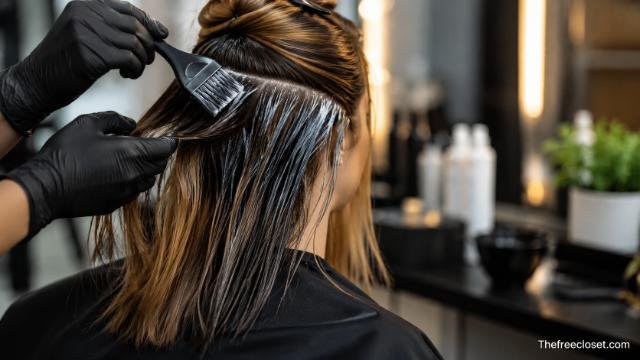
Prioritize hair strength throughout the coloring process, especially when bleach or repeated chemical services are involved. Mushroom brown looks most polished when the hair surface appears smooth because healthy-looking strands reflect light and make the tonal dimension more noticeable.
Avoid attempting dramatic lightening in a single session when the hair cannot tolerate it. Moving from very dark dyed hair to a light mushroom balayage may require multiple appointments. Gradual lightening allows the stylist to evaluate elasticity, porosity, and breakage between sessions rather than sacrificing hair condition for immediate brightness.
Conditioning treatments and careful heat management can support the hair after coloring. Limit excessive use of high-temperature styling tools, use heat protectant before blow-drying or ironing, and detangle gently. These practices do not reverse structural damage, but they can reduce additional mechanical and thermal stress.
Wash Mushroom Brown Hair with Color-Safe Products
Maintain mushroom brown hair by using products designed to reduce unnecessary color fading. Frequent washing, harsh cleansing, hot water, UV exposure, and repeated heat styling can gradually alter the balance of cool pigments and allow underlying warmth to become more noticeable.
A color-safe shampoo and moisturizing conditioner form a practical foundation. Washing frequency depends on scalp condition, lifestyle, hair texture, and product buildup, so there is no universal schedule. When appropriate for your hair and scalp, reducing unnecessary shampooing can help preserve deposited color.
Water temperature can also influence the overall hair-care experience. Extremely hot water can contribute to dryness, so lukewarm water is generally a gentler choice. After washing, use conditioners or masks suited to your hair’s needs, particularly if it has been lightened.
Refresh Cool Tones When Brassiness Returns
Refresh mushroom brown when ash and taupe pigments begin fading and warmer undertones become increasingly visible. Cool-toned artificial pigments can fade over time, especially on lightened sections, making periodic toning an important part of maintaining the intended shade.
Blue-toned products may be useful when orange brassiness is the primary concern, while purple products are typically associated with yellow tones in lighter sections. These products should be selected according to the actual undertone in the hair rather than used automatically. Excessive pigment deposition can leave lighter or porous sections looking dull.
Salon glosses and toners offer another method of refreshing the color. A gloss can restore shine while adjusting tone, and a toner can bring faded balayage or highlights back toward mushroom brown. The appropriate interval depends on washing habits, color formula, porosity, environmental exposure, and the degree of coolness desired.
Maintain Mushroom Brown Hair as It Grows
Plan maintenance according to the coloring technique rather than assuming every mushroom brown style requires the same schedule. An all-over mushroom brunette may show root growth relatively quickly when the natural color differs significantly. Balayage generally provides a softer transition because the highlights do not begin as a hard line directly at the scalp.
A root shadow can extend the visual life of the color by connecting new growth with lighter lengths. People whose natural hair is already medium or dark brown may therefore find mushroom balayage relatively manageable. Instead of repeatedly lightening the entire head, they may only need periodic toning and occasional highlight adjustments.
Maintenance also depends on personal preference. Some people enjoy the slightly warmer, softer appearance that develops as mushroom brown fades, while others want to preserve a distinctly smoky finish. Discussing the desired maintenance level before coloring allows the formula and placement technique to be designed accordingly.
Style Mushroom Brown Hair to Highlight Its Dimension
Style mushroom brown hair in ways that reveal its tonal variation. Waves, loose curls, layered cuts, and textured blowouts allow different sections to catch the light, making cool highlights and deeper lowlights more visible. Straight hair can also display mushroom brown beautifully, particularly when the finish is glossy and the blending is seamless.
Hair length influences how the color is perceived. Long hair provides more surface area for balayage transitions from dark roots to taupe ends. Medium-length hair can emphasize face-framing pieces and layered dimension. Short hair can use subtle highlights or an all-over smoky brunette formula to create a clean, contemporary result.
Lighting matters as well. Cool brunette colors can appear more gray under some indoor lighting and slightly warmer in direct sunlight. Evaluate your finished hair in natural daylight before deciding whether it needs additional toning because artificial lighting can significantly influence perceived color.
Customize Mushroom Brown Hair for Different Natural Bases
Adapt the mushroom brown formula to your natural base rather than trying to reproduce another person’s exact color formula. Someone starting with light brown hair may need only strategic lowlights and toning, while someone with black hair may require carefully placed lightening to make taupe highlights visible.
Natural blondes can move into mushroom brown by introducing depth with neutral and ash-brown lowlights. This approach can create a dimensional brunette result without making every strand equally dark. Previously highlighted blondes can also retain some lighter pieces and tone them into beige-taupe shades.
Brunettes often have an advantage because their natural depth can become part of the final design. Instead of covering the entire base, a stylist can preserve sections of natural brown, lighten selected areas, and tone those pieces into mushroom shades. This approach can create richer dimension and potentially reduce the amount of chemical processing required.
Bring Clear References to Your Salon Appointment
Prepare several reference photos before asking a colorist for mushroom brown hair because the term can describe many different results. One person may imagine a medium ash brunette, while another expects a light taupe balayage with dark roots. Visual examples reduce ambiguity and help the stylist identify your preferred depth, contrast, placement, and coolness.
Choose reference photos that resemble your desired result rather than focusing only on the model’s haircut or styling. Look specifically at root depth, brightness around the face, highlight thickness, overall ash level, and the contrast between dark and light sections. Showing examples you do not like can also help communicate boundaries.
Discuss your full color history during the consultation, including permanent dye, semi-permanent color, henna if applicable, bleach, highlights, straightening treatments, and other chemical processes. Previous treatments influence what can safely and predictably be achieved. Accurate information allows the stylist to develop a realistic plan.
Avoid Common Mushroom Brown Hair Color Mistakes
Avoid choosing an extremely ashy formula simply because mushroom brown is described as a cool color. The shade still needs brunette depth and tonal balance. Excessive ash can make hair appear flat or dull, particularly when it is porous or very light.
Another common mistake is expecting dark dyed hair to become light mushroom brown through the application of a lighter brown dye alone. Existing artificial pigment often requires a different corrective process. Attempting repeated at-home lightening without understanding the underlying color can produce uneven bands, orange sections, or significant damage.
Ignoring maintenance is another problem. Even a beautifully balanced salon color changes as pigments fade. Using suitable hair-care products, protecting the hair from excessive heat, and refreshing the tone when necessary can preserve the intended mushroom appearance for longer.
Build a Long-Term Mushroom Brown Hair Care Routine
Create a sustainable routine that addresses color preservation, moisture, heat protection, and periodic tonal correction. The best routine is one you can follow consistently rather than a complicated collection of products that are rarely used.
Start with gentle cleansing and adequate conditioning. Add a heat protectant when using hot tools and use a treatment mask according to the needs of your hair. If brassiness develops, incorporate an appropriate toning product carefully instead of using highly pigmented products at every wash.
Schedule professional services according to how your specific color was created. Balayage may need less frequent lightening than traditional highlights, but toning may still be needed between major appointments. An all-over color can require more regular root maintenance. By separating lightening appointments from simple tonal refreshes, you can maintain mushroom brown without unnecessarily processing the entire head each time.
Conclusion
Mushroom brown hair color offers a refined alternative to traditional warm brunette shades by combining brown with ash, taupe, beige, and subtle gray tones. Its versatility allows it to range from deep smoky brunette to light mushroom balayage, making it adaptable to different natural bases, hair lengths, and personal styles.
The most successful mushroom brown results come from balancing depth with coolness rather than simply removing all warmth. Starting hair color, underlying pigment, lightening level, toner selection, highlight placement, and hair condition all contribute to the final appearance. Dark roots, dimensional balayage, strategic highlights, and neutral-cool toners can work together to create the characteristic earthy finish.
Maintenance is equally important. Color-safe cleansing, careful heat styling, appropriate toning products, glosses, and periodic salon refreshes can help prevent unwanted brassiness and preserve the muted appearance. With thoughtful color planning and consistent aftercare, mushroom brown can provide a modern, dimensional brunette look with a soft and sophisticated finish.
Discover the latest fashion trends, home ideas, travel tips, and lifestyle inspiration at thefreecloset.com.
FAQ’s
Mushroom brown is primarily a cool-to-neutral hair color. It typically combines brown with ash, taupe, beige, and muted gray tones. Some formulas include neutral beige to prevent the finished shade from becoming excessively gray.
Yes, in some cases. People with naturally light or medium brown hair may be able to achieve a darker mushroom shade using color and toning alone. Very dark hair usually requires some lightening if visible taupe highlights, lighter balayage, or substantial brightness is desired.
Mushroom brown can be customized for many skin tones because its balance of ash, beige, taupe, and brown can be adjusted. Cooler versions may complement cool or neutral complexions, while slightly more neutral-beige variations can provide a softer effect for warmer complexions.
Use gentle color-safe hair care, avoid unnecessary high heat, and refresh the cool tones when noticeable warmth returns. Blue-based products can help address orange tones, while purple products are generally more appropriate for yellow tones in lighter sections. A professional toner or gloss can provide more comprehensive correction.
Maintenance depends heavily on the technique. Mushroom brown balayage with a natural brunette root can provide relatively soft grow-out, while a significantly lighter all-over mushroom shade may require more frequent attention. Tonal maintenance is important because cool pigments can gradually fade.
Ask for a cool-to-neutral dimensional brunette featuring taupe, ash, beige, or muted brown tones, then show several reference photographs. Explain how dark you want the roots, how light you want the ends, whether you prefer balayage or highlights, and how much visible gray or ash you want. Your stylist can then adapt the formula to your starting color and hair condition.