Amber Hair Color: Shades, Skin Tones, Ideas, and Maintenance Guide
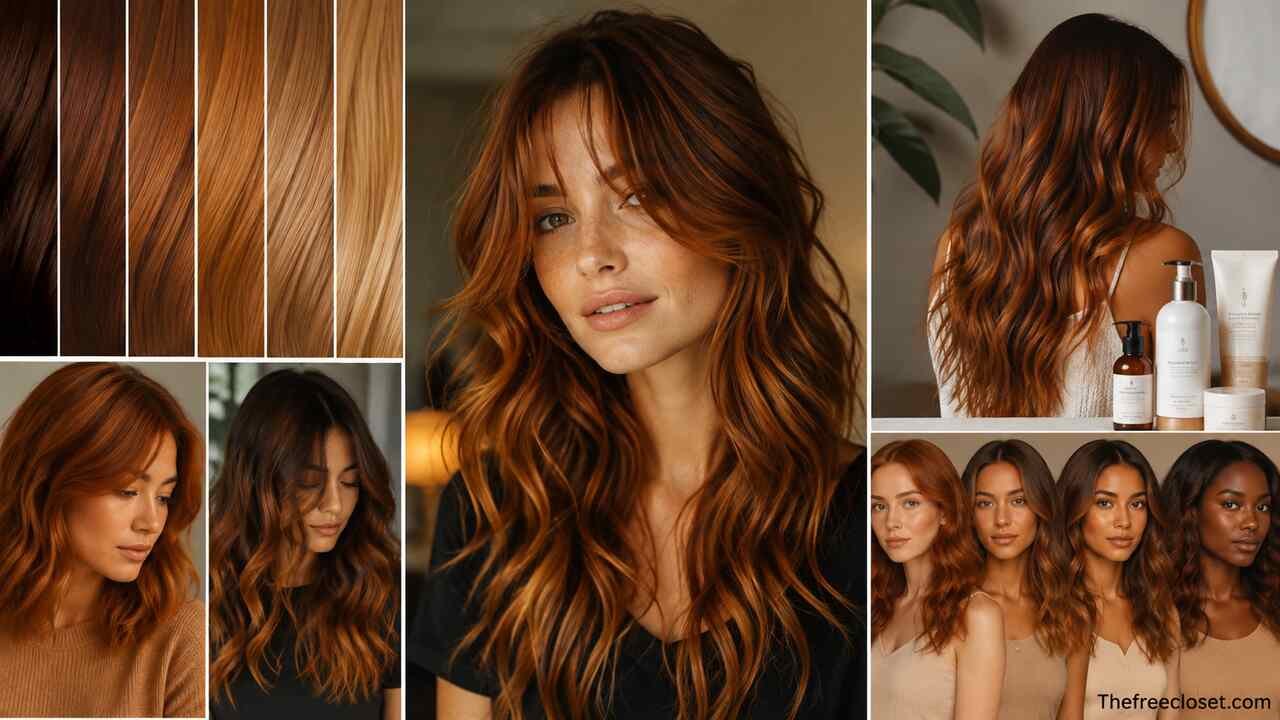
Amber hair color is a warm, multidimensional blend of golden, copper, and red tones that can range from light amber blonde to rich amber brown. Its versatility makes it easy to customize based on your natural hair color, skin undertone, and preferred level of warmth.
What Color Is Amber Hair?
Amber hair is generally a warm red-gold color inspired by the golden, orange, and reddish tones found in amber gemstones. In hair color, the term covers a spectrum rather than a single standardized formula.
A classic amber shade usually contains three visible components:
- Gold, which creates brightness and warmth
- Copper or orange, which gives the shade its distinctive glow
- Red, which adds richness and depth
The proportions can change dramatically. More gold creates a lighter, honey-like amber. More copper creates a vivid ginger appearance. Adding brown makes the shade deeper and more natural-looking.
Wella notes that amber can range from vivid true amber to softer amber brown and amber blonde variations.
This flexibility matters when choosing inspiration photos. Two colors labeled “amber” may look completely different because one could be a level-seven copper-gold while another is a deep brunette with amber highlights.
Instead of telling a stylist simply, “I want amber hair,” explain whether you prefer golden, copper, red, brown, light, or deep amber. A reference photo can make the target much clearer.
Amber vs. Copper, Auburn, Strawberry Blonde, and Golden Brown
Amber overlaps with several popular warm hair colors, but the balance of tones makes each one different.
| Hair color | Dominant tones | Typical appearance | Best for someone wanting |
| Amber | Gold + copper + red | Warm and glowing | Balanced golden-red warmth |
| Copper | Orange + red | Bright and fiery | Noticeable orange warmth |
| Auburn | Red + brown | Rich and deeper | A brunette-based red |
| Strawberry blonde | Blonde + soft red | Light and delicate | Subtle reddish blonde |
| Golden brown | Brown + gold | Natural and warm | Minimal visible red |
| Amber brown | Brown + gold + copper | Deep and dimensional | Wearable brunette warmth |
Copper normally has a stronger orange quality, while auburn contains more brown or deep red. Strawberry blonde is considerably lighter and usually softer.
Amber sits between these colors because it combines red or copper with a noticeable golden reflect. L’Oréal similarly places amber between red and strawberry blonde while noting that the shade can be customized considerably.
This distinction is useful if you frequently find copper too orange or auburn too dark. Amber can provide a middle ground with enough gold to keep the color luminous.
Which Skin Tones Suit Amber Hair Color?
Amber hair can work across different complexions because the balance of gold, red, brown, and copper can be adjusted. Choosing the right variation matters more than following a rigid rule about who can or cannot wear warm hair.
Wella recommends modifying amber according to the wearer’s coloring. Lighter amber with apricot or strawberry-blonde influence can create a softer option, while neutral and warmer complexions can support richer amber brown, chocolate, and golden-brown combinations.
A practical way to choose your shade is to consider both undertone and contrast.
Warm Undertones
If your skin naturally has golden, peach, or yellow undertones, amber can reinforce that warmth. Try:
- Golden amber
- Rich copper amber
- Caramel amber brown
- Deep ginger amber
- Honey-amber highlights
If an extremely warm shade makes your complexion look overly yellow or red, reduce the copper and use more neutral brown around the roots.
Cool Undertones
Cool complexions do not automatically need cool hair. Warm hair can provide attractive contrast.
Consider softer shades such as:
- Light amber
- Strawberry amber
- Apricot amber
- Muted copper-gold
- Amber balayage over a neutral base
A slightly softer or lighter amber often creates contrast without overwhelming the complexion.
Neutral Undertones
Neutral undertones offer substantial flexibility. You can usually move toward either golden amber or deeper copper-brown depending on your preferred intensity.
Recent L’Oréal Professionnel guidance also emphasizes that hair-color recommendations based on undertone are not absolute rules. Personal preference, contrast, and the overall result remain important.
Choose Your Amber Shade Based on Your Starting Hair Color
Your current hair color affects both the appearance of amber and the amount of processing required.
| Starting color | Amber option | Typical approach |
| Light blonde | Golden or strawberry amber | Deposit warm pigment |
| Dark blonde | True amber or amber blonde | Tone or add copper-gold color |
| Light brown | Amber brown or copper amber | Add warmth, highlights, or balayage |
| Medium brown | Deep amber or amber balayage | Add red-gold tones or lighten selected pieces |
| Dark brown | Burnt amber or amber highlights | Strategic lightening may be needed |
| Previously dyed dark hair | Varies | Professional assessment is often safest |
Blonde Hair
Blonde hair provides a relatively light canvas for amber. Golden, peach, strawberry, and copper pigments can appear very vivid, so the formula must be controlled carefully.
If you want only a subtle change, an amber gloss or demi-permanent color may be more suitable than a dramatic permanent transformation.
Brown Hair
Brown hair pairs naturally with amber because the brunette base adds depth.
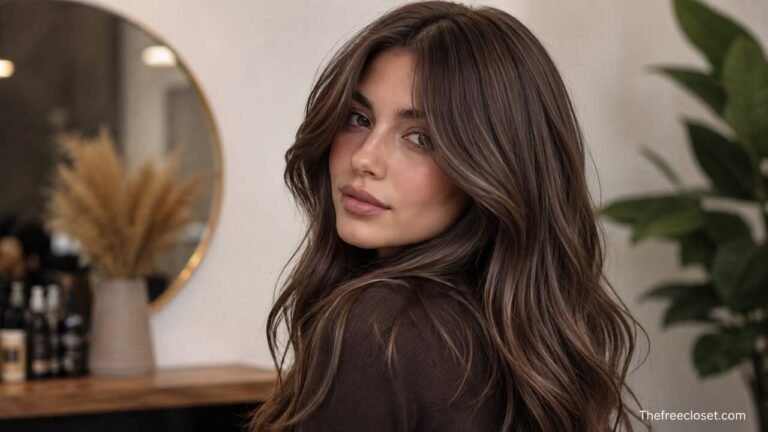
Amber brown can include caramel, copper, cinnamon, auburn, or golden highlights without making the entire head appear bright red. Wella describes amber brown as a more muted version of amber with auburn, ginger, and caramel influences.
This can be especially useful for brunettes who want visible warmth while keeping darker roots.
Dark Brown or Black Hair
Deep hair usually requires more planning if the goal is bright amber. Hair color cannot always create a vivid lighter result over a very dark base, particularly when the hair contains previous permanent color.
Rather than immediately pursuing an all-over transformation, consider amber ribbons, balayage, face-framing pieces, or a deep burnt amber finish.
The American Academy of Dermatology notes that lightening hair more than three shades from its natural color generally requires stronger peroxide and can cause more damage.
That makes a gradual transition worth considering when a dramatic lift would otherwise be required.
Popular Amber Hair Color Ideas
Amber does not have to be worn as one solid color. Placement can change both the appearance and maintenance requirements.
True Amber
True amber emphasizes glowing copper, red, and gold. It is one of the brighter interpretations and works well when the goal is clearly visible warmth.
Amber Brown
Amber brown keeps a brunette foundation while introducing golden-red reflections. It looks more understated than vivid copper and can allow natural dark roots to blend more easily.
Golden Amber
Golden amber shifts the balance toward yellow-gold rather than red. It can resemble a richer version of honey blonde or golden copper.
Light Amber
Light amber blends blonde with copper or strawberry tones. It creates a softer appearance than traditional red hair while remaining noticeably warm.
Burnt Amber
Burnt amber is a deeper interpretation containing more chestnut, brunette, and golden-brown tones. It is receiving renewed attention in 2026 as a richer alternative to brighter seasonal copper shades. Recent beauty coverage describes the trend as multidimensional, with golden-brown undertones and warm chestnut tones.
Amber Balayage
Balayage concentrates amber through selected mid-lengths and ends instead of coloring every strand.
For example, someone with medium-brown hair could maintain a natural brunette root while introducing caramel-amber and copper-gold pieces around the face. The result provides warmth without creating a strong regrowth line.
Amber Highlights
Highlights are useful when you want dimension rather than a complete color change. Fine amber ribbons can add warmth to brunette hair, while broader pieces create a stronger copper effect.
Should You Get Amber Hair at Home or in a Salon?
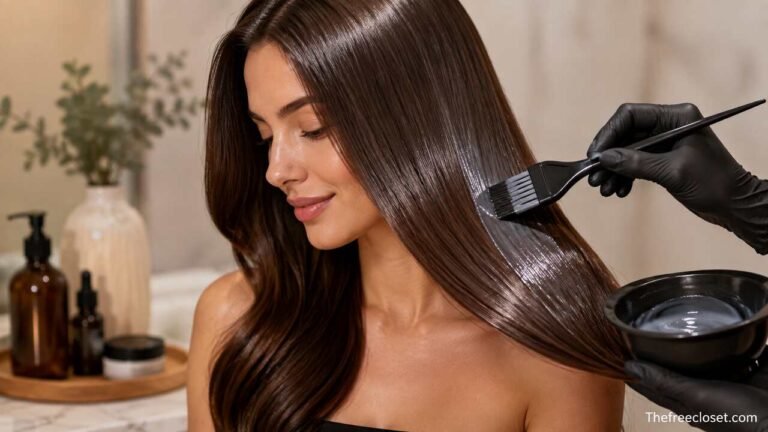
A single-process color that stays close to your current shade may be achievable at home when you use a product specifically designed for your starting color and follow its directions carefully.
More complicated transformations are usually better suited to professional color correction or salon coloring.
Consider professional help when:
- Your hair has previously been dyed very dark
- You need significant lightening
- You want balayage or dimensional highlights
- You have several bands of different colors
- You want to preserve darker roots while creating bright amber ends
- Your hair has been heavily bleached or chemically processed
- You are unsure how the existing color will affect the result
L’Oréal specifically recommends professional coloring for dimensional effects such as highlights and balayage.
A salon consultation also lets a colorist evaluate the actual condition of the hair rather than making decisions based only on a photo.
How to Maintain Amber Hair Color
Warm red and copper tones can lose intensity over time, so maintenance should be part of the decision before coloring.
Use Products Designed for Color-Treated Hair
A gentle color-care shampoo and conditioner can help preserve the appearance and condition of colored hair. Avoid treating freshly colored hair exactly as you treated your natural color.
Reduce Unnecessary Heat
Frequent high-temperature styling can contribute to dryness and make already-processed hair harder to keep glossy. Use appropriate heat protection when blow-drying, curling, or straightening.
Protect Hair From Strong Sun Exposure
Sun exposure can make colored hair look faded and feel dry. The American Academy of Dermatology recommends protecting chemically treated hair from the sun, including by wearing a wide-brimmed hat when appropriate.
Refresh the Warm Tones
Depending on your color and product instructions, a salon gloss, color-depositing conditioner, or copper-toned mask may help refresh fading warmth between full coloring appointments.
Do not assume that more pigment is always better. Repeatedly depositing strong copper color can gradually make light amber darker or more orange than intended.
Common Amber Hair Color Mistakes
One of the biggest mistakes is choosing a shade based only on the word “amber.” Because amber can describe anything from golden blonde to deep reddish brown, always judge the actual color rather than its name.
Another mistake is underestimating your starting base. A light golden amber shown on blonde hair may not appear the same when the identical product is applied to dark brown hair.
Avoid automatically lightening the entire head when highlights or balayage could produce the desired warmth with less processing.
Finally, do not overlook hair condition. A technically perfect shade will be less attractive if aggressive processing leaves the hair excessively dry or brittle.
Hair Dye Safety Before Going Amber
If you are coloring at home, follow the manufacturer’s instructions rather than improvising formulas, processing times, or product combinations.
The U.S. Food and Drug Administration advises consumers to perform the product’s recommended skin patch test before every hair-dye application, even if they have used hair dye successfully before. Sensitivity can develop over time, and product formulations can change.
The FDA also advises wearing gloves, respecting the stated processing time, rinsing the scalp thoroughly, and avoiding hair dye when the scalp is irritated or damaged. It specifically warns against using hair dyes intended for the scalp on eyebrows or eyelashes.
Never mix separate hair-dye products unless the manufacturer’s instructions specifically direct you to do so.
Conclusion
Amber hair color is best understood as a customizable blend of gold, copper, red, and sometimes brown, not a single universal shade. Light amber offers a soft strawberry-gold effect, true amber produces vivid copper warmth, and amber brown or burnt amber provides a deeper, more understated option.
Choose the shade according to your current hair color, preferred level of warmth, complexion, and willingness to maintain it. If reaching your target requires substantial lightening, color correction, or complex dimensional work, a professional consultation can help you achieve the amber effect without unnecessarily processing the entire head.
Discover the latest fashion trends, home ideas, travel tips, and lifestyle inspiration at thefreecloset.com.
FAQ’s
Classic amber contains both red or copper and gold. It can become more brown when a brunette base is added, producing amber brown. Bright versions may look closer to ginger or copper, while deeper versions can resemble warm chestnut.
Sometimes. Dark hair can take on warm red or golden reflections without dramatic lightening, but bright or light amber usually requires a lighter underlying base. The exact result depends on natural color, previous dye, hair condition, and the product being used.
No. Copper generally emphasizes orange-red tones, while amber normally includes a stronger golden component. The difference can be subtle because many formulas contain both copper and gold.
Yes. Amber is adjustable rather than limited to one complexion. Deep amber brown, rich copper-gold, and dimensional amber highlights can all be customized for darker skin tones. The most flattering choice depends on undertone, desired contrast, and personal preference rather than skin depth alone.
Potentially, but gray coverage depends on the specific permanent or demi-permanent formula rather than the word “amber.” Some professional permanent color systems can be formulated for gray coverage, while glosses and temporary color-depositing products generally behave differently. Ask your colorist or check the manufacturer’s stated gray-coverage capability.
Bring one or more reference photos and describe what you like about them. Specify whether you want golden amber, copper amber, light amber, amber brown, or burnt amber. Also discuss your desired root depth and whether you prefer an all-over color, highlights, or balayage. This is more precise than relying on the shade name alone.