Hair Glaze: What It Is, Benefits, How Long It Lasts, and How to Use It
A hair glaze is a low-commitment treatment that adds shine, smoothness, and polish while sometimes depositing translucent color to refresh an existing shade. Because “glaze” can refer to anything from a temporary clear shine treatment to a demi-permanent color service, the formula and expected longevity matter more than the name.
What Is a Hair Glaze?
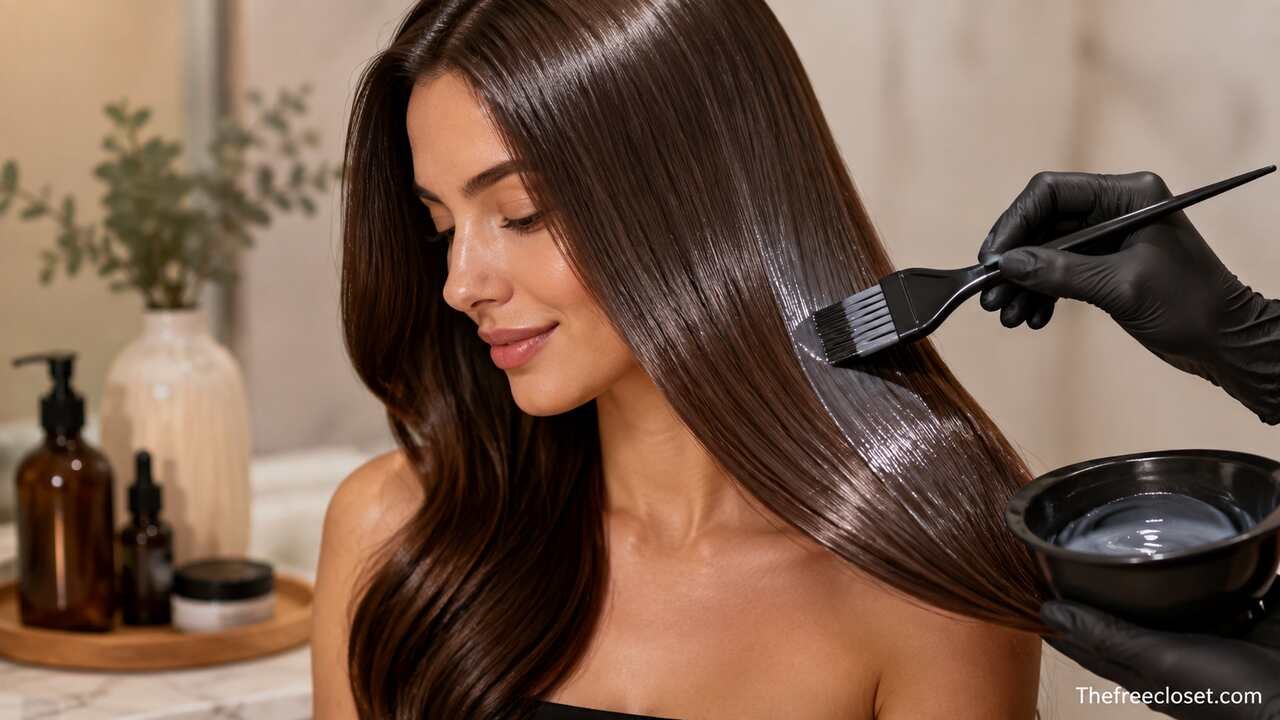
A hair glaze coats or lightly deposits onto the hair to create a smoother, more light-reflective appearance. Clear versions primarily enhance shine, while tinted versions can subtly adjust or refresh the appearance of your existing color.
A glaze does not usually provide the dramatic transformation associated with permanent hair dye. If you have dark brown hair and want to become blonde, for example, a glaze is not the appropriate service because lightening requires a different chemical process. If your brunette hair simply looks faded and you want it to appear richer and shinier, however, a tinted glaze may be suitable.
The terminology becomes less clear when professional color products are involved. Redken describes a traditional hair glaze as primarily a shine-enhancing treatment, while Wella uses “color glaze” for its translucent demi-permanent Shinefinity service. Wella states that its professional glaze deposits tone without lifting the natural base.
The practical takeaway is simple: before choosing a glaze, determine whether the product is clear, color-depositing, semi-permanent, or demi-permanent.
What Does a Hair Glaze Do to Your Hair?
The most noticeable effect of glazing is usually increased shine. Hair reflects light more evenly when its surface appears smoother, which can make dull or weathered strands look more polished.
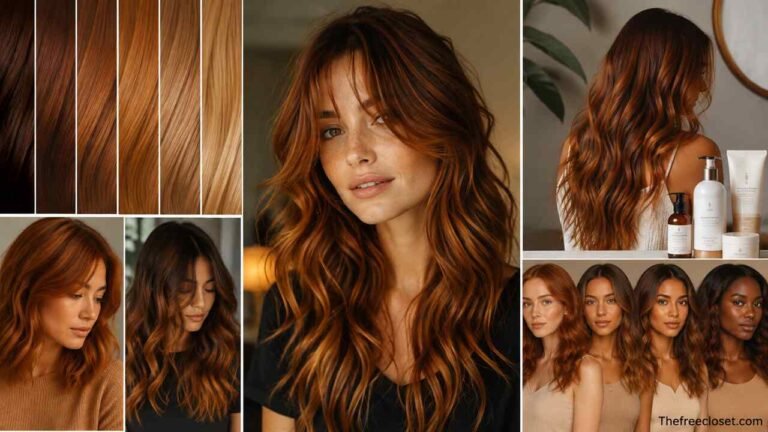
A tinted glaze can provide additional benefits. It may revive faded color, deepen an existing shade slightly, add warmth or coolness, or make color appear more even. For someone with professionally colored brunette hair, for example, a brown-toned glaze may restore richness between major salon appointments without completely recoloring the hair.
Blonde hair can also benefit from an appropriately selected tinted glaze when the objective is tonal refinement rather than lightening. Depending on the shade, a colorist may use a glaze to soften unwanted warmth or adjust the overall finish after highlighting.
The treatment can also make hair feel softer and easier to manage, although the result depends heavily on the individual formula and the condition of the hair. Professional acidic color glazes are specifically designed to produce a smoother, shinier finish. Wella, for example, describes its Shinefinity formula as a zero-lift demi-permanent glaze that smooths the cuticle and deposits translucent color.
A glaze should therefore be viewed primarily as a finishing and refreshing service, not as a treatment that permanently repairs damaged hair.
Hair Glaze vs. Hair Gloss, Toner, and Permanent Color
Hair glaze, gloss, toner, and permanent color can overlap in purpose, which explains why consumers often confuse them. The main differences involve how much color change they produce, how deeply the formula affects the hair, and how long the result remains visible.
| Treatment | Main Purpose | Color Change | Typical Commitment |
| Hair glaze | Shine, smoothness, subtle color refresh | None to subtle | Temporary to demi-permanent, depending on formula |
| Hair gloss | Shine and tonal enhancement | Subtle | Usually several washes to several weeks |
| Toner | Adjust unwanted undertones | Tonal correction | Temporary or demi-permanent |
| Permanent color | Significant, lasting color change or gray coverage | Moderate to major | Long-term, with visible regrowth |
The line between glaze and gloss is especially blurry. Redken notes that the terms are often used interchangeably, while distinguishing a traditional glaze as more focused on clear shine and a gloss as potentially providing both shine and color enhancement. Other professional systems use “glaze” for translucent demi-permanent color, so there is no universal naming rule across the industry.
Toner has a more specific objective. It adjusts the tone of the hair rather than simply adding shine. A blonde toner, for instance, might reduce the appearance of excessive yellow or golden tones after lightening.
Permanent dye goes considerably further. It is intended for a more substantial or lasting change and is generally the better choice when someone wants significant lightening, darkening, or dependable gray coverage.
Clear Hair Glaze vs. Tinted Hair Glaze
Choosing between a clear and tinted glaze depends on whether you want to change the appearance of your color.
A clear hair glaze makes sense when you like your existing color but want more shine and polish. It can be particularly useful for natural hair that appears dull or colored hair that still has the desired tone but lacks vibrancy.
A tinted glaze combines shine with subtle color deposition. Depending on the shade, it can enrich brunette hair, refresh red tones, soften unwanted warmth, or add depth to faded color.
Tinted does not automatically mean dramatic. Many professional glazes are deliberately translucent, allowing the underlying dimension of the hair to remain visible instead of creating a dense, opaque result.
This makes glazing particularly useful after balayage, highlights, or dimensional color. The glaze can refine the overall tone without eliminating the contrast created by the underlying color work.
Who Is Hair Glazing Best For?
Hair glazing is particularly suitable for someone who likes their general hair color but wants it to look fresher.
Consider a person who had brunette balayage eight weeks ago. The highlights are still present and the placement looks good, but the overall color has become less vibrant. Repeating the entire highlighting process may be unnecessary. A professional tinted glaze could refresh the tone and shine while preserving the existing lightened sections.
Glazing can also be useful for natural, uncolored hair when the goal is simply a shinier appearance. In that situation, a clear formula avoids unnecessarily changing the natural shade.
Color-treated red hair is another common use case because vivid-looking red tones can appear less intense as color washes out. A compatible color-depositing glaze may temporarily restore some richness.
A glaze is less appropriate when the desired result requires major lightening, a dramatic shade change, or complete coverage of resistant gray hair. Some demi-permanent formulas can blend gray to varying degrees, but performance differs significantly between products. A glaze should not automatically be treated as a substitute for permanent gray coverage.
Salon Hair Glaze vs. At-Home Hair Glaze
Both salon and home glazing can improve shine, but they serve slightly different needs.
A salon service gives a colorist greater control over shade selection, mixing, application, processing, and tonal correction. This matters when the hair has highlights, multiple colors, high porosity, previous chemical treatments, or unwanted undertones.
Imagine blonde hair with pale ends but darker, warmer sections near the roots. Applying the same tinted product everywhere may create an uneven result because porous, pre-lightened areas can respond differently from less processed hair. A professional can assess those differences before choosing the formula.
At-home glazing is more practical when the goal is relatively simple, such as adding clear shine or refreshing a familiar tone with a product designed specifically for consumer use.
The safest approach is to treat every product according to its actual instructions rather than assuming all glazes work alike. A tinted glaze may function as a hair-color product, so application time, allergy precautions, and compatibility instructions should be taken seriously.
The FDA recommends performing a skin patch test before every use of hair dye and following the product’s safety directions. If irritation develops during an allergy test, the product should not be used.
How to Glaze Hair at Home
If you choose an at-home product, the manufacturer’s instructions should always take priority because formulas vary. A sensible general process looks like this:
- Choose the correct product. Decide whether you need a clear shine treatment or a color-depositing glaze. If using pigment, choose a tone intended for your current hair color and desired result.
- Read the instructions before starting. Check whether the product should be applied to dry, damp, or freshly washed hair and whether it requires mixing.
- Complete the required allergy test. For hair-color formulas, follow the manufacturer’s allergy-testing directions exactly and do not skip the test simply because you have used hair color before.
- Apply the product evenly. Work systematically so the lengths and ends receive consistent coverage. Wear gloves when instructed and avoid contact with the eyes.
- Follow the stated processing time. Leaving a tinted glaze on longer than directed does not guarantee a better result and may produce an unwanted tone.
- Rinse and finish as directed. Some formulas require shampoo or conditioner afterward, while others have different finishing instructions. Follow the specific product label.
If your hair is heavily bleached, unusually porous, chemically straightened, damaged, or several different colors, professional application may give a more predictable result.
How Long Does a Hair Glaze Last?
There is no single lifespan for every hair glaze.
Traditional temporary shine treatments may fade within a relatively small number of washes, while professional demi-permanent glazes can remain visible for several weeks. Wella states that results from its Shinefinity demi-permanent glaze can last up to six weeks, although longevity depends on the formula and how the hair is maintained.
Redken similarly describes glossing treatments as temporary and notes that they gradually wash out rather than producing the sharp root line associated with permanent color.
Frequency of washing makes a difference. Someone who shampoos daily will generally lose a temporary color effect sooner than someone who washes two or three times per week.
Hair condition matters as well. Highly porous hair may absorb pigment differently and can sometimes fade unevenly. Sun exposure, swimming, heat styling, shampoo choice, and the particular glaze formula can also influence how long the finish remains noticeable.
For this reason, promises such as “hair glaze lasts exactly four weeks” should be treated cautiously unless they refer to a specific product.
How to Make a Hair Glaze Last Longer
Start by following the aftercare advice provided with the treatment. Salon formulas and at-home products can have different requirements.
Reducing unnecessary washing may help preserve a tinted result. When you do shampoo, use a routine appropriate for color-treated hair if the glaze contains pigment. Very frequent cleansing can accelerate fading simply because temporary and demi-permanent color gradually leaves the hair through repeated washing.
Heat management also matters. Excessive use of high-temperature straighteners and curling tools can make hair look dry and dull regardless of whether it has recently been glazed. Use styling temperatures appropriate for your hair and a suitable heat-protection product.
Chlorinated pools, salt water, and prolonged sun exposure can also affect the appearance of colored hair. If maintaining a specific tone matters, plan your hair-care routine around those exposures.
Most importantly, do not repeatedly glaze the hair simply because you want permanent shine. A glaze is still a cosmetic treatment, and more frequent application is not automatically better. Follow the manufacturer’s recommended frequency or ask your colorist how often your specific formula should be refreshed.
What a Hair Glaze Cannot Do
A glaze has useful benefits, but understanding its limitations prevents disappointing results.
It cannot make dark hair significantly lighter because lightening requires a process capable of removing or altering existing pigment. A “zero-lift” glaze is specifically designed not to raise the natural color level.
It also cannot permanently repair split ends or structural damage. A smoothing formula may make damaged hair look and feel better temporarily, but severely compromised ends may still require trimming and an appropriate hair-care routine.
Gray coverage is another area where expectations should be realistic. Certain demi-permanent products can blend gray, but a translucent glaze may not completely cover resistant gray hair. If full coverage is the priority, ask whether the proposed formula is actually designed for that purpose.
Finally, a tinted glaze cannot guarantee identical results on every person. Starting color, previous dye, highlights, porosity, hair condition, product strength, and processing time can all influence the final shade.
Common Hair Glaze Mistakes
One common mistake is selecting a glaze based on the color shown on the packaging without considering the starting shade. Translucent color interacts with what is already underneath it. A cool-toned glaze applied over warm blonde hair, for example, will behave differently than the same formula applied over pale neutral blonde.
Another mistake is assuming clear means universally risk-free. Even products that do not visibly change hair color contain ingredients that may not suit everyone. Always follow the directions and discontinue use if a product causes an unexpected reaction.
Using a glaze to solve the wrong problem can also waste time. If the concern is substantial root regrowth, extreme brassiness after an unsuccessful bleaching service, severe breakage, or a desire to become several levels lighter, a basic glaze probably is not the complete solution.
The best question to ask is not simply, “Should I glaze my hair?” Ask, “Do I want more shine, a subtle tonal adjustment, or an actual color transformation?” Your answer usually identifies the appropriate service.
Conclusion
A hair glaze is best viewed as a finishing and refreshing treatment rather than a dramatic color service. It can boost shine, smooth the appearance of the hair, revive faded color, and subtly refine tone while requiring less commitment than permanent dye.
The key is to choose the treatment according to your actual goal. Use a clear glaze when shine is the priority, consider a tinted formula when existing color needs refreshing, and choose a more substantial color service when you need lightening or major transformation.
Because “glaze” can refer to different formulas across brands and salons, always check whether the treatment is clear, color-depositing, semi-permanent, or demi-permanent. That distinction tells you far more about the expected result than the word “glaze” alone.
Discover the latest fashion trends, home ideas, travel tips, and lifestyle inspiration at thefreecloset.com.
FAQ’s
Hair glazes are generally designed as lower-commitment treatments compared with permanent color, but formulas differ. Some professional acidic glazes are specifically formulated for color deposit without lift. That does not mean every product is suitable for every person, so follow product instructions and allergy precautions.
Yes. A clear glaze can be used when you want shine without intentionally changing your natural color. Tinted versions may also be used on natural hair, but the visible result depends on the starting shade and the specific formula.
A tinted glaze may soften or blend the appearance of some gray hair, particularly when it uses demi-permanent color technology, but it should not automatically be expected to provide complete coverage. Permanent color is generally more appropriate when consistent gray coverage is the primary objective.
A correctly selected tinted glaze may help refine unwanted warm tones. The result depends on the underlying color, how much brassiness is present, and the pigments in the glaze. Significant or uneven color correction is better handled by a professional colorist.
Yes. Choose a clear glaze specifically designed to enhance shine without depositing a noticeable new shade. This is often the simplest choice when you already like your natural or dyed color.
A glaze can be worthwhile when your hair already has approximately the color you want but needs more shine, softness, or tonal freshness. It provides less value when your real goal is major lightening, permanent color change, or complete gray coverage.