What Is a Bixie Haircut? A Complete Guide to the Bob-Pixie Hairstyle
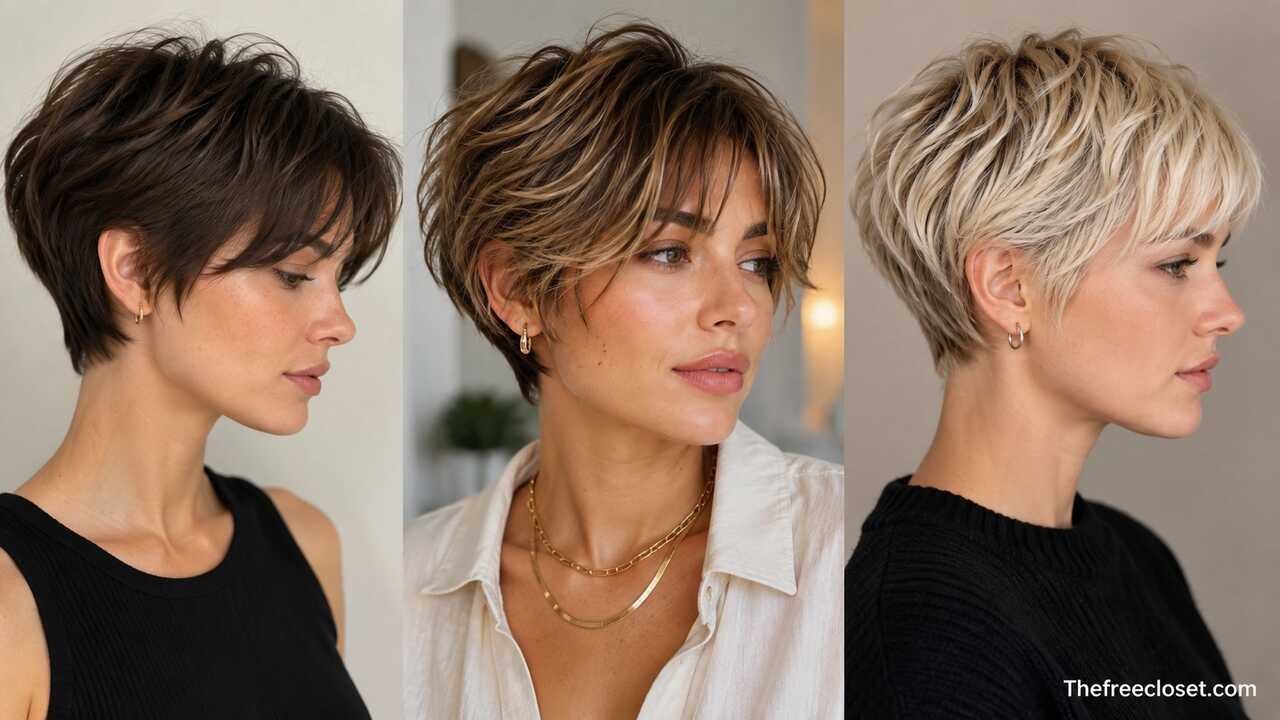
A bixie haircut blends the length and shape of a short bob with the light, layered finish of a pixie cut. It usually features soft layers, extra volume at the crown, and slightly longer pieces around the face, creating a fresh short hairstyle that is easy to wear and style.
Choose the Right Bixie Haircut Length
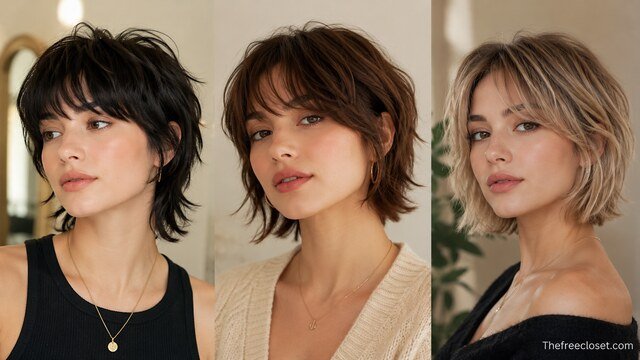
The first step in choosing a bixie haircut is deciding how much length you want to keep. Most bixie cuts sit somewhere between the ears and the nape of the neck. The hair is generally longer than a conventional pixie but does not have the uniform perimeter commonly associated with a short bob. This intermediate length creates the recognizable bob-pixie combination.
A shorter bixie can expose more of the ears and neck while maintaining length through the crown and fringe. A longer bixie may cover the ears, include elongated side pieces, and leave enough hair at the nape to create a soft bob-like silhouette. Your preferred length should account for your face shape, natural texture, styling habits, and willingness to schedule regular trims.
Length also changes the personality of the haircut. A cropped bixie with choppy layers can appear modern and edgy, while a longer version with soft layers can create a more relaxed and feminine finish. Keeping additional length around the face is particularly useful for people who want the convenience of short hair without losing all of the framing possibilities associated with a bob.
| Bixie Feature | Typical Characteristics | Main Benefit |
| Overall length | Between a pixie and short bob | Balances convenience and versatility |
| Crown | Layered with moderate volume | Adds shape and movement |
| Sides | Cropped or ear-length | Frames the face |
| Nape | Tapered, layered, or softly grown out | Controls the silhouette |
| Fringe | Short, wispy, side-swept, or long | Customizes facial framing |
| Texture | Soft, choppy, feathered, or tousled | Prevents the cut from looking heavy |
Select Layers That Create the Bixie Shape
Layers are one of the most important components of a bixie haircut because they distinguish it from a traditional short bob. A bob often relies on a stronger perimeter, whereas a bixie uses graduated or textured layers to remove weight and create movement. The crown may remain relatively full while the sides and nape are shaped to create a lighter silhouette.
Your stylist can adjust the layering according to hair density. Thick hair may need internal weight removal and additional texturizing so the haircut does not become bulky around the sides. Fine hair generally benefits from strategic layers that preserve enough density to create the appearance of fullness. Removing too much hair from fine strands can make the ends look sparse.
Layer placement also determines how the haircut behaves between salon appointments. Soft, blended layers tend to grow out more smoothly, while highly disconnected or choppy sections produce a stronger fashion-forward effect. Discussing how frequently you intend to trim your hair can therefore help your stylist choose a layering technique that remains manageable as the bixie grows.
Match the Bixie Haircut to Your Face Shape
A bixie haircut can be adapted to many face shapes because the fringe, sides, crown, and overall length can all be customized. Rather than looking for one universal bixie shape, focus on where the haircut creates width, height, softness, or definition around your face. Small adjustments can significantly change the final appearance.
People with round faces may prefer extra height at the crown, longer pieces around the cheeks, or an asymmetrical fringe. These features can create stronger vertical lines. Square faces can work well with feathered layers and softer pieces around the jaw. Oval faces generally have considerable flexibility and can experiment with shorter fringes, exposed ears, or more dramatic layering. Heart-shaped faces may benefit from softness around the jaw and a fringe that balances the forehead.
These guidelines are not strict rules. Personal style, hairline, forehead proportions, neck length, glasses, and natural texture can be just as important as general face shape. A skilled stylist can adjust the bixie’s proportions rather than trying to force every client into the same version of the haircut.
Adapt the Bixie Haircut to Your Hair Type
Choose a bixie variation that works with your natural hair behavior rather than relying entirely on daily heat styling. Straight hair can display the haircut’s layers clearly and often creates a sleek, defined silhouette. Fine straight hair can gain visible volume from carefully positioned crown layers, especially when the perimeter is kept sufficiently dense.
Wavy hair gives a bixie natural movement and can make the style appear effortlessly tousled. Layers can encourage waves to form while reducing unnecessary bulk. Curly hair can also work beautifully with a bixie, but curl shrinkage must be considered before cutting. The stylist should account for how much shorter curls become after drying.
Thick hair usually requires deliberate weight management. Without sufficient shaping, a bixie can become too wide around the sides or develop a rounded, bulky appearance. Coarse hair may need longer layers to maintain control, while fine hair often needs fewer aggressive layers. The goal is to make the haircut cooperate with the hair’s natural density and texture.
| Hair Type | Useful Bixie Approach | Styling Focus |
| Fine hair | Preserve density with selective layers | Root volume and lightweight products |
| Thick hair | Remove internal weight | Definition and shape control |
| Straight hair | Add textured or feathered layers | Movement and separation |
| Wavy hair | Follow the natural wave pattern | Tousled definition |
| Curly hair | Allow for shrinkage and curl formation | Moisture and curl definition |
| Coarse hair | Maintain controlled, longer layers | Smoothing and flexible hold |
Customize the Fringe Around Your Features
Adding the right fringe can dramatically change a bixie haircut. Because the overall hairstyle is short, the front section becomes a major focal point. A long side-swept fringe creates softness and offers additional styling flexibility, while a short textured fringe produces a stronger pixie-inspired appearance.
Wispy bangs can create a light, airy finish and work particularly well with soft layers. Curtain-inspired pieces can provide framing around the forehead and cheekbones. A longer asymmetrical fringe creates contrast against shorter sides and can give the bixie a more dramatic silhouette. People who prefer an open face can also choose minimal fringe and direct the front sections away from the forehead.
Consider your natural hairline and growth patterns before committing to bangs. Cowlicks can affect how a short fringe sits, and naturally curly or wavy hair may make bangs appear shorter after drying. A stylist should evaluate the hair in its natural state and leave enough length to accommodate movement, shrinkage, and everyday styling.
Ask Your Stylist for the Correct Bixie Cut
Bring clear visual references to your salon appointment because the term “bixie” can describe several different short hairstyles. One person may imagine a heavily layered pixie-bob, while another may picture a short bob with subtle pixie influences. Photographs allow you and your stylist to discuss specific features rather than relying only on the haircut’s name.
Explain how much length you want around the ears, nape, crown, and fringe. Tell the stylist whether you prefer a polished or messy finish and how much time you normally spend styling your hair. You should also mention whether you regularly air-dry, blow-dry, straighten, or curl your hair because these habits can influence the most practical cutting technique.
Instead of simply requesting “a bixie,” describe the result you want. You might ask for a short, layered bob-pixie shape with fullness at the crown, soft texture through the sides, a tapered nape, and a longer fringe. Specific communication reduces the chance of receiving a haircut that is much shorter, heavier, or more heavily layered than expected.
Style a Bixie Haircut for Everyday Wear
Start everyday styling by working with the natural direction of your hair. On damp hair, apply a small amount of lightweight styling product appropriate for your texture. Fine hair may benefit from volumizing mousse or root-lifting spray, while wavy and curly textures often respond better to lightweight creams, gels, or leave-in products that encourage definition.
For a smooth finish, blow-dry the hair while directing the roots according to the desired shape. A small round brush can create lift at the crown and bend through longer pieces. For a tousled bixie, use your fingers while drying and encourage separation between layers. Once dry, a small amount of texture paste or styling wax can emphasize individual pieces.
Avoid applying excessive heavy product because short hair can quickly become flat or greasy. Start with a small quantity and add more only when necessary. Product placement matters as much as quantity. Root-focused products create lift, while waxes and pastes generally work better through the mid-lengths and ends.
Create Volume Without Making the Haircut Bulky
Build bixie volume primarily at the roots and crown rather than making the entire haircut expand outward. Controlled crown lift creates dimension and highlights the layered construction. This is particularly valuable for fine or flat hair that might otherwise make a short haircut appear limp.
Blow-drying the roots in the opposite direction from where they naturally fall can increase lift. A round brush can provide additional elevation, while lightweight volumizing mousse can support the shape. Once the hair is dry, texturizing products can create separation without requiring excessive teasing.
The sides usually need less volume than the crown. Too much width near the ears can make the haircut appear round or triangular, particularly on thick hair. Keeping the sides controlled while maintaining movement through the top creates a more balanced bixie silhouette.
Style a Bixie Haircut With Natural Texture
Allowing your natural texture to show can make a bixie easier to maintain. Wavy hair can produce soft bends through the layers, while curls create natural volume and definition. Rather than forcing every strand into a uniform shape, use products and drying techniques that enhance the existing pattern.
For waves, distribute a lightweight styling product through damp hair and gently scrunch the strands. Air-drying can create a casual result, while a diffuser can provide additional control and volume. Curly hair usually benefits from moisture, careful product distribution, and minimal disturbance while drying to reduce unwanted frizz.
Natural texture also makes the bixie highly individual. The same cutting pattern can appear dramatically different on straight, wavy, and curly hair. This adaptability is one reason the haircut works as a bridge between the structured appearance of a bob and the freer, textured character of many pixie cuts.
Maintain the Bixie Haircut With Regular Trims
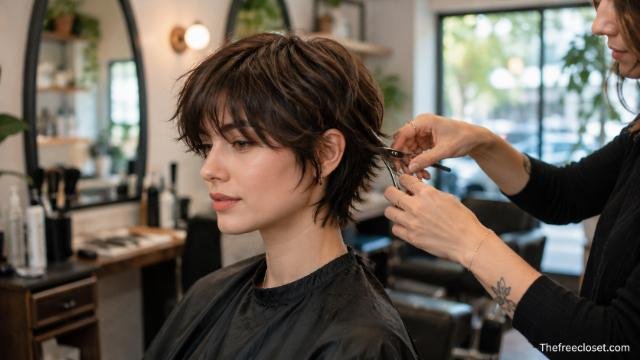
Schedule trims according to how precisely you want to maintain the original silhouette. Because a bixie is relatively short, changes in length become visible sooner than they would on long hair. The fringe may begin covering the eyes, the nape can become heavier, and crown layers can lose their intended relationship as the hair grows.
Many people find that appointments approximately every four to eight weeks help maintain a defined short shape, although the appropriate interval varies with hair growth rate and the style of the cut. A highly tapered bixie may require more frequent maintenance, while a longer, softer version can usually tolerate additional growth.
The advantage is that a bixie can transition naturally toward a bob. If you decide to grow your hair, your stylist can gradually reshape the perimeter and reduce the contrast between layers. Regular shaping during this process prevents the haircut from becoming excessively bulky around the nape or sides.
Protect the Hair When Using Heat Tools
Use heat protection whenever you style a bixie with a blow dryer, straightener, or curling tool. Short hair does not eliminate the possibility of heat damage. In fact, repeated styling of the same visible sections can make dryness and breakage particularly noticeable.
Choose tool temperatures appropriate for your hair condition and texture. Fine, fragile, bleached, or chemically processed hair generally requires more conservative heat exposure. Rather than repeatedly passing a hot tool over the same section, work deliberately and use only as much heat as necessary to achieve the desired shape.
Heat tools should complement the haircut rather than compensate for an unsuitable shape. If you need extensive straightening, curling, or reshaping every morning to make the bixie sit correctly, discuss the problem with your stylist. Adjusting the layers, fringe, or weight distribution may reduce daily styling requirements.
Adjust the Bixie as It Starts Growing Out
Manage the grow-out stage by deciding whether you want to preserve the bixie or transition toward a bob. If you want to keep the bixie, trims should restore the original proportions by controlling the nape, refining the sides, and maintaining the layered crown. If you are growing it longer, the strategy changes.
During a transition to a bob, allow selected areas to gain length while periodically reshaping sections that become bulky. The nape often needs particular attention because it may grow faster visually than the sides. Strategic trimming can gradually create a more consistent perimeter without sacrificing all of your progress.
The fringe can either grow with the rest of the haircut or remain a separate feature. Long bangs can eventually blend into face-framing layers, while shorter bangs can continue providing structure during the transition. This flexibility makes the bixie a practical intermediate haircut for someone growing out a very short pixie.
Decide Whether a Bixie Haircut Fits Your Lifestyle
Consider how much styling and salon maintenance you are comfortable with before choosing a bixie. The haircut can be relatively easy to style because there is less hair to wash, dry, and manipulate. However, maintaining a specific short silhouette often requires more frequent trims than maintaining medium or long hair.
A bixie may suit you if you want noticeable change without choosing an extremely short pixie. It provides enough length for texture, fringe variations, volume, and small styling changes while keeping the neck and overall shape relatively light. Depending on length, some sections may also be pinned back with small clips or accessories.
The haircut may be less suitable if your main priority is tying all of your hair into a ponytail or going long periods without trims while preserving the same appearance. Understanding these practical limitations before cutting your hair can prevent disappointment and help you choose a longer bixie if necessary.
Compare a Bixie With a Pixie and Bob Before Cutting
Compare the three haircuts based on length, layering, maintenance, and styling flexibility. A pixie is generally the shortest option and often exposes more of the ears and neck. A bob usually retains greater perimeter length and can range from jaw length to significantly longer variations. The bixie occupies the space between them.
A bixie borrows layering and texture from the pixie while maintaining some of the softness and length associated with a bob. This combination makes it useful for people who find a traditional bob too heavy but do not want the commitment of a closely cropped pixie.
The boundaries are not absolute because modern haircut terminology varies among stylists. A long pixie and short bixie can look similar, just as a long bixie may resemble a heavily layered short bob. The desired silhouette matters more than the label, which is another reason reference photographs are valuable during a consultation.
Make the Final Bixie Haircut Decision
Choose a bixie haircut when you want a short style that combines movement, manageable length, and flexible facial framing. The strongest versions of the haircut are personalized rather than copied exactly from a photograph. Hair density, texture, face shape, growth patterns, and styling habits should determine how the layers and perimeter are constructed.
Before your appointment, decide which features matter most. Consider whether you want your ears exposed, how long the fringe should remain, whether the nape should be tapered, and how much volume you want at the crown. Also decide whether you prefer polished layers or an intentionally tousled effect.
A successful bixie should feel balanced when worn naturally and should not require complicated styling every day. When the shape complements your natural hair, the haircut can provide the lightness of a pixie while retaining much of the versatility and softness associated with a bob.
Conclusion
A bixie haircut is a hybrid short hairstyle that blends the layered, textured qualities of a pixie with the fuller shape and additional length of a bob. Its defining characteristics usually include layered movement, a customizable fringe, controlled length around the ears and nape, and enough hair through the crown to create volume or texture.
The most important part of choosing a bixie is customization. Fine, thick, straight, wavy, curly, and coarse hair all require different approaches to layering and weight distribution. Face shape, natural growth patterns, styling preferences, and maintenance expectations should also influence the final design.
For anyone who wants to move shorter without choosing an extremely cropped hairstyle, the bixie offers a practical middle ground. Clear communication with your stylist, realistic maintenance expectations, and a shape designed for your natural texture can turn the bixie into a versatile and manageable everyday haircut.
Discover the latest fashion trends, home ideas, travel tips, and lifestyle inspiration at thefreecloset.com.
FAQ’s
A bixie is a combination of both. It typically uses the layers and texture associated with a pixie while keeping more length and fullness similar to a short bob.
Yes. A carefully layered bixie can make fine hair appear fuller by creating lift and movement. The stylist should avoid excessive thinning because removing too much density can make fine ends look sparse.
Yes. Thick hair can work very well with a bixie when the stylist removes excess internal weight and controls volume around the sides. Layer placement is important for preventing an overly bulky silhouette.
Yes. A bixie can complement curly hair when the cut accounts for curl pattern, density, and shrinkage. The final length should be planned according to how the curls behave when completely dry.
Many bixie styles benefit from trimming approximately every four to eight weeks. More precise or heavily tapered versions may require earlier appointments, while longer, softer bixies can often grow for longer without losing their overall shape.
A bixie can transition relatively smoothly into a short bob because it already retains more length than many traditional pixie cuts. Strategic trims can control the nape and reshape the layers while the sides and perimeter gradually become longer.