Modern Door Trim: Complete Guide to Choosing, and Styling Contemporary Interior Door Casing
Modern door trim is a simple yet impactful design feature that enhances the appearance of a room by creating clean lines and complementing contemporary interiors. Choosing the right trim style, material, and finish helps achieve a cohesive, modern look while improving both aesthetics and functionality.
Choose the Right Modern Door Trim Style
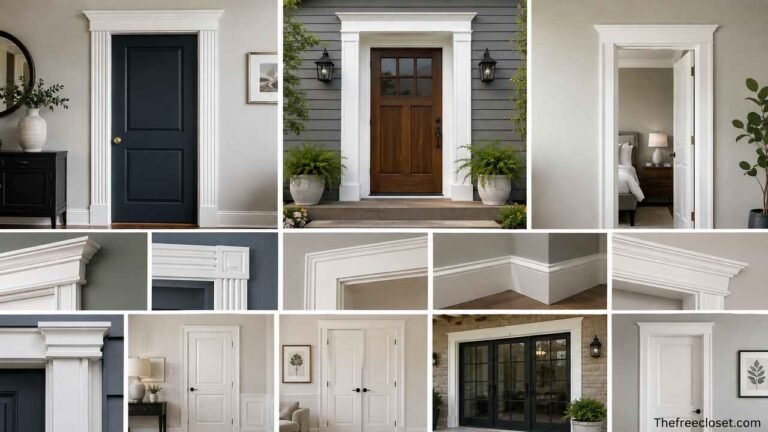
Selecting the appropriate trim profile establishes the visual language of your interior. Modern architecture favors simplicity, balanced proportions, and crisp geometry instead of decorative detailing.
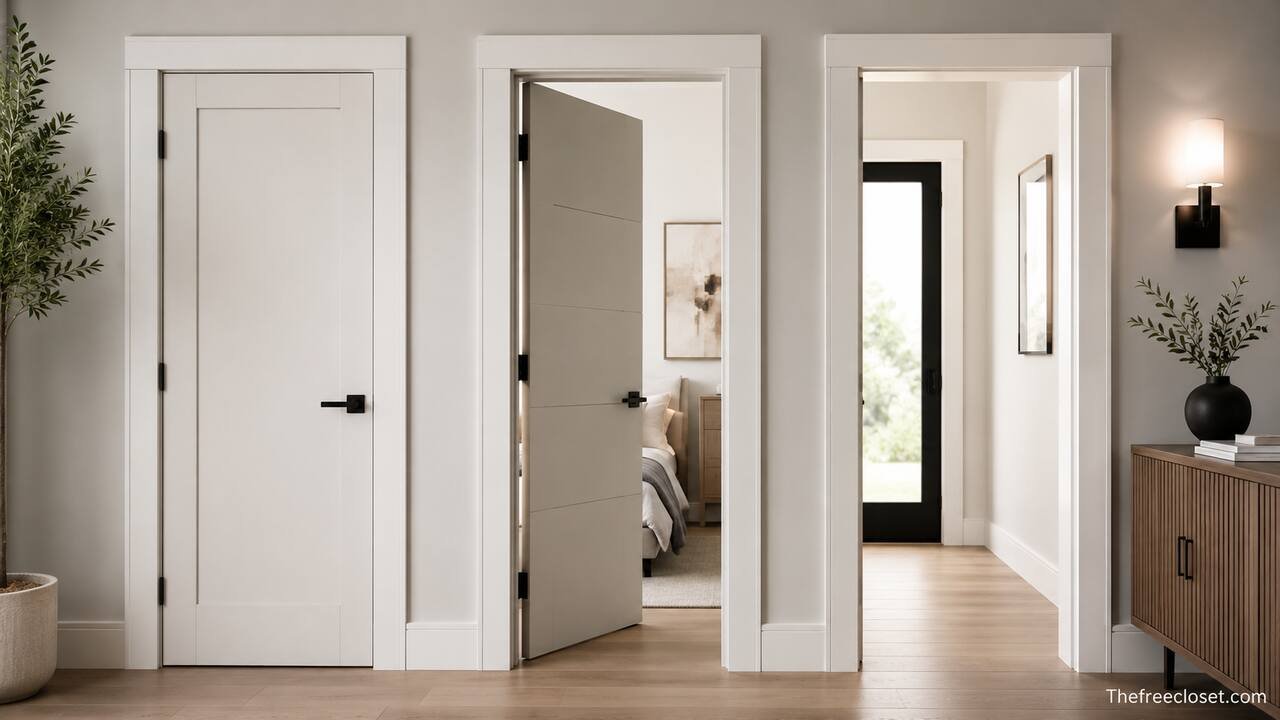
Flat trim remains the most popular option because it complements nearly every contemporary design style. Its clean surface frames the doorway without overwhelming nearby architectural features.
Common modern trim styles include:
| Style | Appearance | Best For | Difficulty |
| Flat Stock Trim | Clean, square edges | Modern homes | Easy |
| Square Edge Casing | Minimal profile | Contemporary interiors | Easy |
| Shadow Gap Trim | Floating appearance | Luxury modern homes | Advanced |
| Flush Door System | Trimless look | Ultra-modern architecture | Advanced |
| Stepped Modern Trim | Layered contemporary design | Transitional spaces | Moderate |
Each option creates a different visual effect. Flat casings provide timeless simplicity, while shadow gap systems produce an architectural appearance where the door seems integrated directly into the wall.
When selecting a profile, consider ceiling height, wall thickness, flooring material, and the style of baseboards. Consistency across these elements creates visual harmony throughout the home.
Select Durable Materials for Long-Term Performance
Material selection affects durability, installation complexity, maintenance requirements, and overall cost. Choosing the proper material ensures your trim withstands daily wear while preserving its appearance.
Medium Density Fiberboard (MDF) remains one of the most common choices because of its smooth surface and affordability. It paints exceptionally well and offers consistent dimensions without natural wood imperfections.
Popular materials include:
| Material | Advantages | Drawbacks |
| MDF | Smooth finish, affordable | Moisture sensitive |
| Solid Wood | Premium appearance, repairable | Higher cost |
| Finger-Jointed Pine | Stable and economical | Requires painting |
| PVC | Waterproof | Limited premium appearance |
| Hardwood | Highly durable | Expensive |
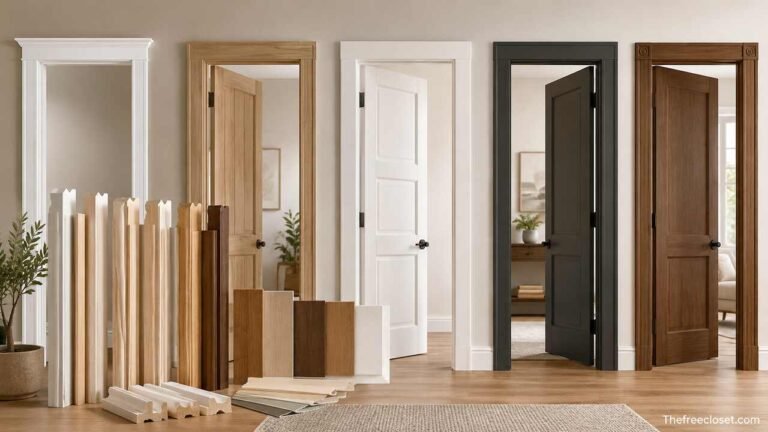
Solid hardwood species such as oak, maple, walnut, and white oak provide exceptional durability while showcasing natural grain patterns. These materials are especially suitable when stained rather than painted.
PVC trim performs well in bathrooms, laundry rooms, mudrooms, and other moisture-prone environments where traditional wood products may expand or deteriorate over time.
Match Door Trim with Interior Design Styles
Modern trim should complement every surrounding architectural element instead of competing with them.
Scandinavian interiors often feature narrow white flat trim paired with light oak flooring and neutral walls. This combination creates bright, airy spaces emphasizing natural light.
Industrial interiors commonly combine black trim, steel-framed doors, exposed concrete, and wood accents for striking contrast.
Popular combinations include:
- White trim with white walls for seamless minimalism.
- Black trim with white walls for bold contrast.
- Natural oak trim with warm neutral paint.
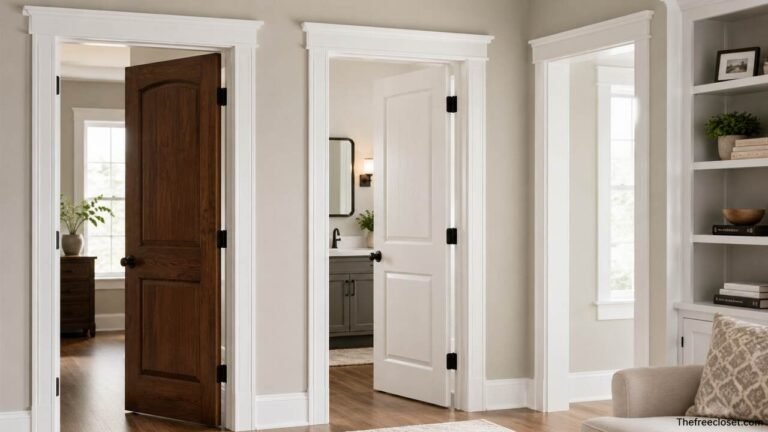
- Walnut trim with matte black hardware.
- Painted trim matching wall color for a monolithic effect.
Coordinating trim with baseboards, crown molding, cabinetry, window casings, and staircase details strengthens the overall design consistency throughout the home.
Determine the Proper Trim Dimensions
Proper sizing ensures trim looks proportional to the room rather than oversized or undersized.
Standard modern door trim widths typically range from 2½ inches to 5 inches depending on ceiling height and architectural scale.
General recommendations include:
| Ceiling Height | Recommended Trim Width |
| 8 feet | 2.5–3.5 inches |
| 9 feet | 3.5–4.5 inches |
| 10 feet | 4–5 inches |
| 12+ feet | 5–6 inches |
Thicker trim often pairs well with taller ceilings because it provides adequate visual weight. Conversely, smaller rooms benefit from slimmer profiles that avoid making openings appear crowded.
Maintaining consistent widths throughout the home creates continuity between different rooms.
Coordinate Door Trim with Baseboards and Wall Details
Successful interiors depend on coordinated architectural details rather than isolated design decisions.
Baseboards usually appear slightly taller than door casings in contemporary homes. This relationship establishes a natural visual hierarchy while maintaining balance.
Consider coordinating:
- Baseboard height
- Window casing profile
- Crown molding
- Door thickness
- Door hardware finish
- Wall texture
- Ceiling treatment
Modern homes frequently eliminate crown molding altogether, allowing the clean geometry of doors and baseboards to define the architecture.
Shadow gap baseboards paired with flush door trim produce one of today’s most refined minimalist aesthetics.
Prepare Walls and Openings Before Installation

Proper preparation significantly improves installation quality and reduces finishing work.
Begin by verifying that each door jamb sits flush with the finished wall surface. Uneven drywall often creates gaps that become difficult to conceal later.
Before installation:
- Check wall flatness.
- Confirm jamb alignment.
- Measure each side individually.
- Locate wall studs.
- Prime unfinished materials.
- Gather finishing supplies.
Minor inconsistencies can usually be corrected using shims behind the casing before fastening.
Taking extra time during preparation prevents visible gaps, uneven reveals, and difficult caulking later.
Install Modern Door Trim with Precise Measurements
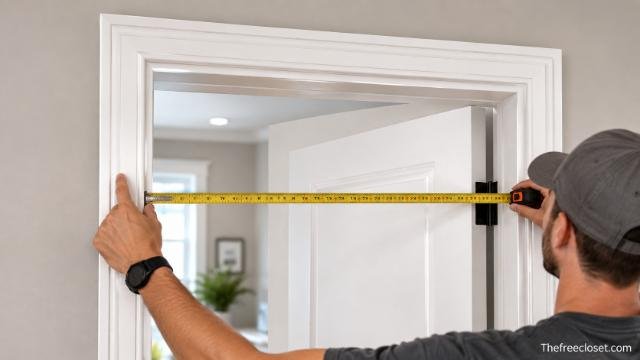
Accurate measuring and cutting produce professional-looking results.
Most installers maintain a consistent reveal of approximately 3/16 inch between the door jamb and trim edge. This narrow border creates an intentional shadow line around the opening.
Installation sequence generally follows these steps:
- Measure each side.
- Cut vertical pieces.
- Cut the header.
- Dry fit components.
- Nail into framing.
- Fill nail holes.
- Caulk seams.
- Sand smooth.
- Prime if necessary.
- Apply finish coats.
A quality miter saw with a fine-tooth blade minimizes tear-out while producing crisp corners.
Professional installers also verify every corner using a speed square before fastening permanently.
Finish Modern Door Trim for a Premium Appearance
The finish determines whether trim looks professionally installed or amateur.
Painted trim remains the most popular choice because it creates a clean, uniform appearance. Semi-gloss and satin finishes balance durability with understated elegance.
Common finish options include:
| Finish | Appearance | Maintenance |
| Matte | Soft modern look | Moderate |
| Satin | Contemporary balance | Easy |
| Semi-Gloss | Durable and washable | Very Easy |
| Natural Oil | Highlights wood grain | Periodic maintenance |
| Clear Polyurethane | Protective transparent finish | Long-lasting |
Proper surface preparation includes filling nail holes, sanding smooth, removing dust, priming exposed materials, and applying multiple thin finish coats.
Natural wood trim often receives clear finishes that preserve the grain while protecting against moisture and wear.
Incorporate Modern Hardware and Architectural Features
Door trim rarely stands alone. Hardware and surrounding architectural features influence the overall appearance.
Minimalist lever handles complement flat trim better than ornate knobs. Concealed hinges, magnetic latches, and modern locksets reinforce contemporary styling.
Other coordinating features include:
- Flush doors
- Solid-core doors
- Black hardware
- Brushed nickel hardware
- Matte brass accents
- Frameless glass panels
- Large-format flooring
- Minimal lighting fixtures
Maintaining consistent finishes across hinges, handles, cabinet pulls, and plumbing fixtures strengthens the home’s overall design language.
Maintain Modern Door Trim for Lasting Beauty
Routine maintenance preserves the clean appearance that defines modern interiors.
Dust should be removed regularly using a microfiber cloth. Painted trim benefits from occasional cleaning with mild soap and water, while natural wood finishes require products formulated specifically for wood surfaces.
Inspect trim periodically for:
- Paint chips
- Loose joints
- Cracked caulk
- Moisture damage
- Scratches
- Separation at corners
Prompt repairs prevent small cosmetic issues from developing into larger structural problems.
Repainting every several years restores brightness in high-traffic areas such as hallways and entryways.
Compare Popular Modern Door Trim Options
Choosing between styles becomes easier when comparing their characteristics side by side.
| Feature | Flat Trim | Square Edge | Shadow Gap | Flush System |
| Appearance | Minimal | Crisp | Architectural | Invisible |
| Cost | Low | Moderate | High | Premium |
| Installation | Easy | Easy | Complex | Advanced |
| Maintenance | Low | Low | Moderate | Moderate |
| Best Application | Most homes | Modern interiors | Luxury homes | Custom builds |
Flat trim remains the best balance of affordability, simplicity, and timeless appeal. Flush systems deliver the cleanest appearance but require precise construction and higher installation costs.
Conclusion
Modern door trim transforms ordinary doorways into refined architectural features that define the character of an interior. Choosing the appropriate profile, selecting durable materials, coordinating dimensions with other millwork, and applying a high-quality finish all contribute to a polished and cohesive design.
Whether you prefer painted MDF for budget-friendly renovations, natural white oak for warmth, or trimless flush systems for a minimalist aesthetic, thoughtful planning ensures your investment enhances both appearance and long-term value. By following proper installation practices and maintaining consistent design throughout the home, modern door trim can provide decades of beauty while complementing evolving interior styles.
Discover the latest fashion trends, home ideas, travel tips, and lifestyle inspiration at thefreecloset.com.
FAQ’s
Flat stock trim with square edges is currently the most popular option because it creates clean lines, complements contemporary interiors, and works well with a wide range of door styles and ceiling heights.
Most modern homes use trim between 2½ and 4 inches wide. Taller ceilings often benefit from wider casings, while standard-height rooms typically look best with slimmer profiles.
MDF is an excellent choice for painted trim because it offers a smooth finish and affordability. Solid wood is better for stained finishes, high-end projects, or areas where greater impact resistance is desired.
Yes. Painting trim the same color as the wall creates a seamless, minimalist appearance that is especially popular in contemporary and Scandinavian-inspired interiors.
No. Many contemporary homes omit crown molding entirely. Clean-lined baseboards and simple door trim often provide enough architectural definition without additional decorative elements.
Satin and semi-gloss finishes are the most popular choices. Satin offers a subtle contemporary look with good durability, while semi-gloss provides greater resistance to scuffs and is easier to clean in high-traffic areas.