Mulch Alternatives: Sustainable Ground Covers, Organic Options, and Decorative Landscaping Solutions
Mulch alternatives offer effective ways to protect soil, control weeds, conserve moisture, and improve landscape appearance without using traditional wood mulch. The best option depends on factors like climate, plant needs, maintenance preferences, budget, and design goals, with choices ranging from organic materials to durable ground coverings.
Choose Gravel and Decorative Stone for Long-Lasting Ground Coverage
Gravel and decorative stone provide a low-maintenance mulch alternative that works especially well in pathways, drought-tolerant gardens, and areas where long-lasting coverage is important. These materials create a clean appearance, reduce weed growth, and allow water to move efficiently into the soil.
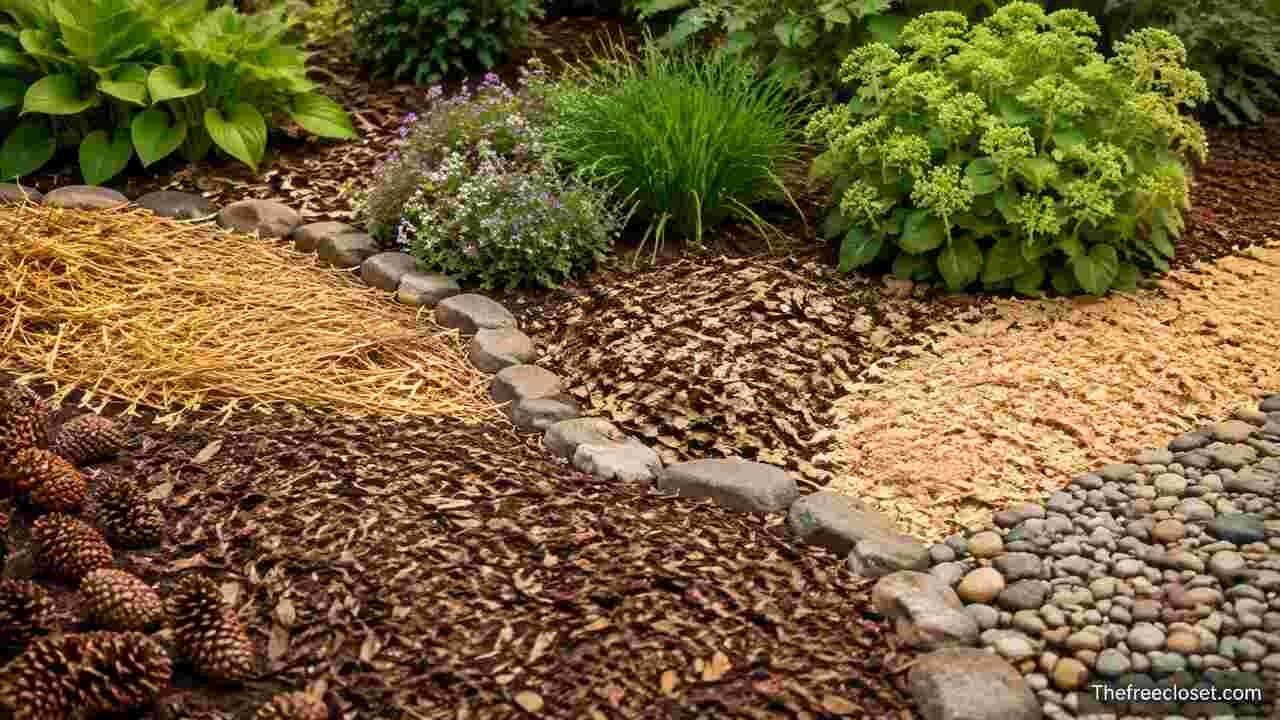
Common stone options include pea gravel, river rock, crushed stone, lava rock, and decomposed granite. Pea gravel consists of small rounded stones that create a smooth surface, while crushed stone provides better stability for walkways and high-traffic areas. River rocks offer a decorative appearance with larger stones that work well around shrubs and garden borders.
Stone-based alternatives are particularly effective in xeriscaping and modern landscape designs because they do not decompose like organic mulch. However, they do not add nutrients to soil, and darker stones may absorb heat in sunny locations. Installing landscape fabric underneath can improve weed control, although fabric may affect soil health over time.
| Stone Alternative | Best Use | Main Benefit |
| Pea gravel | Paths and decorative beds | Smooth appearance and easy installation |
| River rock | Borders and drainage areas | Attractive and durable coverage |
| Crushed stone | Walkways and driveways | Stable surface with good drainage |
| Lava rock | Drought-resistant gardens | Lightweight and heat-resistant |
Apply Compost to Improve Soil Health Naturally
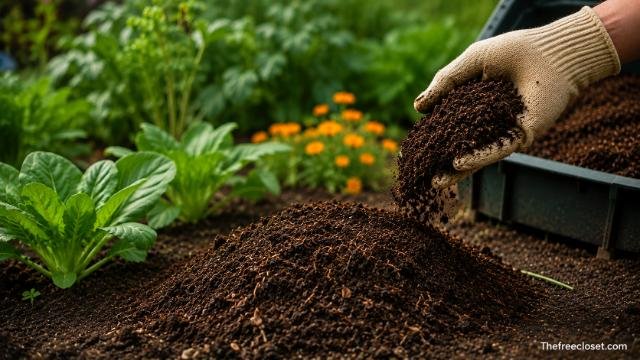
Compost serves as a nutrient-rich mulch alternative that protects soil while improving plant growth. Unlike decorative coverings, compost actively contributes organic matter, helping gardens maintain better structure, moisture retention, and microbial activity.
Garden compost, leaf compost, and homemade compost are common choices for vegetable gardens, flower beds, and planting areas. Compost releases nutrients gradually, making it beneficial for plants that require consistent soil fertility. It also supports earthworms and beneficial microorganisms that improve long-term soil performance.
Using compost requires proper application because thick layers can restrict airflow and create overly moist conditions. A thin layer applied around plants usually provides the best balance between soil protection and nutrient delivery. Compost works especially well as a top layer beneath other materials, combining appearance with soil improvement.
Install Straw and Hay for Vegetable Garden Protection
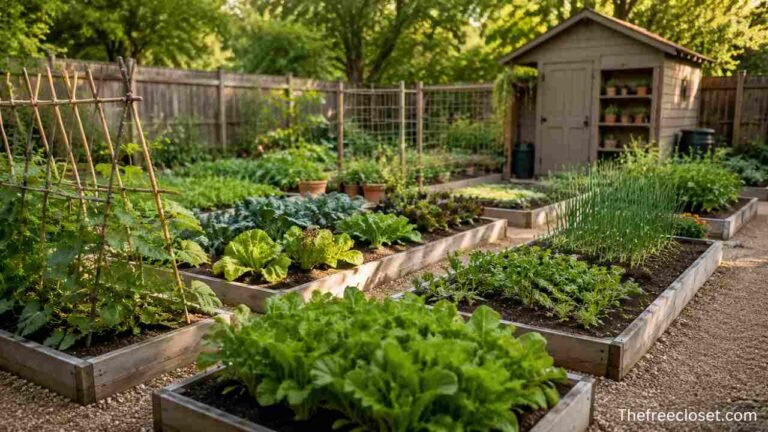
Straw and hay provide affordable organic mulch alternatives that are widely used in vegetable gardens, raised beds, and agricultural settings. These materials help regulate soil temperature, reduce evaporation, and protect crops from soil erosion.
Straw is generally preferred over hay because it contains fewer weed seeds. Wheat straw, oat straw, and barley straw are common options for gardeners who want a lightweight covering that breaks down naturally. Hay may contain grasses and seeds that can introduce unwanted plants into garden beds.
These materials gradually decompose and add organic matter to soil. They are especially useful around tomatoes, peppers, strawberries, and other crops that benefit from consistent moisture. However, straw requires periodic replacement because weather exposure causes it to break down faster than inorganic alternatives.
Use Wood Chips for a Natural Landscape Appearance
Wood chips provide a natural-looking mulch alternative that combines decorative value with soil benefits. They are commonly used around trees, shrubs, ornamental plants, and large landscape areas where organic coverage is desired.
Different wood chip types include bark chips, arborist chips, cedar chips, and hardwood chips. Cedar chips naturally resist some insects and offer a pleasant scent, while arborist chips contain a mixture of bark, leaves, and wood that can improve soil quality as they decompose.
Wood chips are effective for moisture retention and erosion control because their larger pieces create air spaces that slow evaporation. They are less suitable for annual vegetable gardens because decomposing wood can temporarily affect nitrogen availability near the soil surface. Proper placement around plants prevents moisture-related issues and protects plant stems.
Plant Ground Covers as Living Mulch Alternatives
Living ground covers replace traditional mulch with plants that spread across soil surfaces and provide natural protection. These plants reduce weeds, prevent erosion, and create biodiversity within a landscape.
Popular ground cover plants include creeping thyme, clover, sedum, pachysandra, and creeping phlox. Each variety has different requirements for sunlight, soil conditions, and maintenance. Clover improves soil by fixing nitrogen, while creeping thyme creates a fragrant, low-growing surface that attracts pollinators.
Living mulch alternatives require more initial planning because plants need time to establish. Once established, they can reduce maintenance and provide seasonal interest through flowers, texture, and color. They are especially valuable in eco-friendly landscapes designed to support insects and wildlife.
Spread Pine Needles for Acid-Loving Plants
Pine needles offer a lightweight mulch alternative that works well around plants that prefer acidic soil conditions. They are commonly used near blueberries, azaleas, rhododendrons, and other acid-loving species.
Pine straw creates a loose layer that allows water penetration while reducing soil temperature changes. It decomposes slowly compared with many other organic materials, making it a practical option for gardeners seeking longer-lasting natural coverage.
Although pine needles are often believed to significantly acidify soil, their effect is usually mild once they have decomposed. Their main advantages are moisture retention, erosion prevention, and compatibility with woodland-style gardens. Regular additions may be needed because wind can move dry pine needles more easily than heavier materials.
Select Rubber Mulch for Durable Decorative Areas
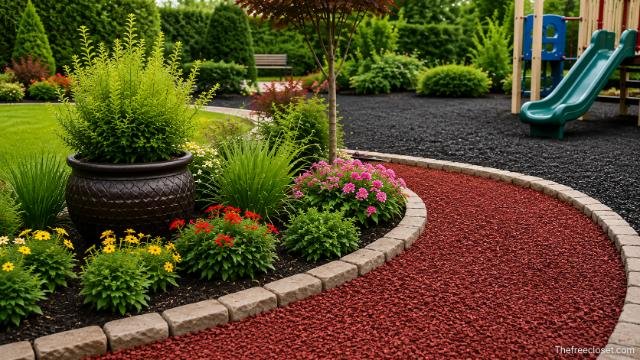
Rubber mulch provides a long-lasting alternative for specific landscaping applications, particularly playground areas, pathways, and decorative spaces. Made from recycled rubber materials, it does not break down quickly and requires less frequent replacement than organic options.
Rubber mulch is available in various colors and textures, allowing landscape designers to create specific visual styles. It remains stable during heavy rain and does not attract termites or other wood-related pests.
However, rubber mulch does not improve soil fertility because it lacks organic nutrients. It may also retain heat in sunny locations, making it less suitable around sensitive plants. Its best applications are areas where durability and appearance matter more than soil enrichment.
Compare Mulch Alternatives Based on Garden Needs
Selecting the right mulch alternative requires evaluating the purpose of the area, maintenance expectations, and environmental conditions. A vegetable garden may benefit from compost or straw, while a dry landscape may perform better with gravel or stone.
The ideal material balances practical performance with landscape goals. Factors such as water availability, plant requirements, climate, and budget influence the best choice.
| Mulch Alternative | Maintenance Level | Soil Benefits | Ideal Application |
| Compost | Medium | High | Vegetable gardens and planting beds |
| Gravel | Low | None | Dry landscapes and pathways |
| Straw | Medium | Moderate | Crops and raised beds |
| Wood chips | Low to medium | Moderate | Trees and shrubs |
| Ground covers | Medium initially | High | Sustainable landscapes |
| Rubber mulch | Low | None | Decorative areas and playgrounds |
Evaluate Environmental Benefits Before Choosing Materials
Environmental impact plays an important role when selecting mulch alternatives. Organic materials typically return nutrients to soil as they decompose, while inorganic options provide durability and reduce replacement frequency.
Sustainable choices often include compost, locally sourced wood chips, fallen leaves, and native ground covers. These options support soil organisms and reduce reliance on manufactured landscaping materials. Locally available materials also reduce transportation impacts.
Some alternatives require careful consideration. Rubber mulch, for example, reuses recycled materials but does not contribute organic matter. Stone reduces maintenance but requires energy for extraction and transportation. Understanding these differences helps gardeners choose materials that align with their environmental priorities.
Match Mulch Alternatives With Specific Landscape Areas
Different outdoor spaces benefit from different types of ground coverage. Garden beds, pathways, slopes, and play areas each have unique requirements that influence material selection.
Flower beds often benefit from compost, wood chips, or pine needles because these materials support plant health. Pathways usually require stable surfaces such as gravel or crushed stone. Sloped areas may need erosion-resistant materials or living ground covers that hold soil in place.
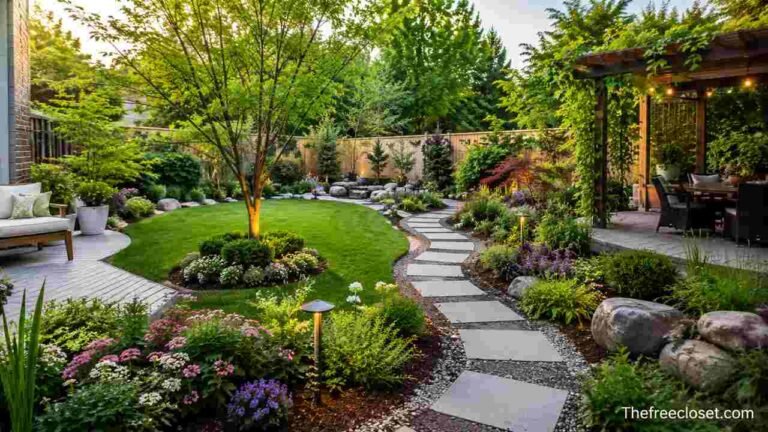
A successful landscape design often combines several alternatives rather than using one material everywhere. Mixing decorative stone with organic planting areas can create visual contrast while improving functionality.
Maintain Alternative Mulch Materials Properly
Proper maintenance extends the effectiveness of mulch alternatives and keeps landscapes attractive. Organic materials generally need replenishment because decomposition reduces their thickness over time.
Stone-based materials may require occasional raking, cleaning, and weed management. Living ground covers require watering and trimming during establishment but often become easier to manage after maturity.
Regular inspection helps identify problems such as excessive moisture, weed growth, soil exposure, or material displacement. Adjusting maintenance practices based on the chosen material ensures long-term performance.
Conclusion
Mulch alternatives offer flexible solutions for improving landscapes while meeting different gardening goals. Whether the priority is soil improvement, reduced maintenance, water conservation, or decorative appeal, options such as compost, gravel, straw, wood chips, ground covers, and pine needles provide effective choices.
The best mulch alternative depends on the specific environment, plant requirements, and desired outcome. By selecting materials that support both landscape function and long-term sustainability, gardeners can create healthier outdoor spaces with improved appearance and performance.
Discover the latest fashion trends, home ideas, travel tips, and lifestyle inspiration at thefreecloset.com.
FAQ’s
Gravel, wood chips, dense ground covers, and straw can effectively reduce weed growth when applied correctly. The best choice depends on the garden type and maintenance preferences.
Compost generally provides the greatest soil benefits because it adds organic matter, nutrients, and supports beneficial soil organisms.
Rocks require less replacement and provide long-term coverage, but organic mulch improves soil health. The better option depends on whether durability or soil enrichment is the main goal.
Grass clippings can work as a mulch alternative when applied in thin layers. Thick layers may become compacted and create odor or moisture problems.
Locally sourced compost, leaves, wood chips, and native ground covers are often among the most environmentally friendly choices because they support natural soil processes.
Some alternatives, such as gravel and stone, require less maintenance than organic mulch. Living ground covers may require more care initially but can reduce maintenance after establishment.