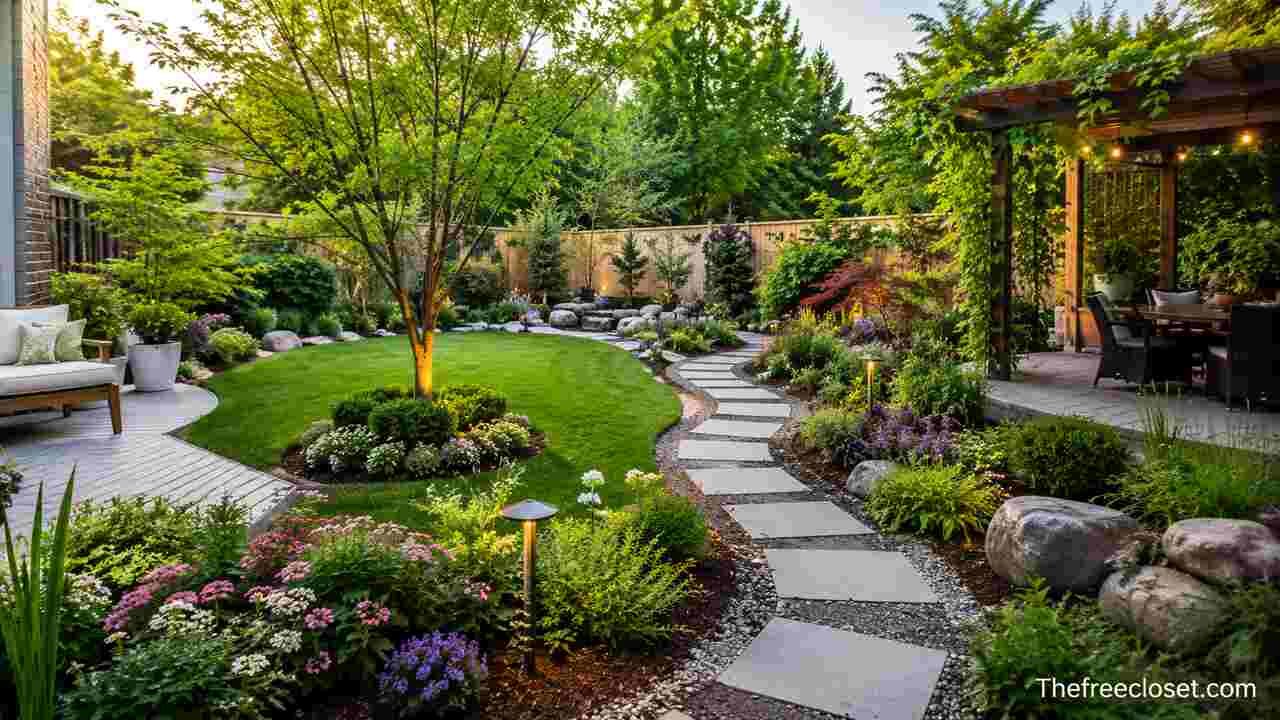
Garden Layout: Design Functional Outdoor Spaces with Plants, Pathways, and Landscape Elements
A garden layout is a planned arrangement of plants, pathways, seating areas, and landscape features that creates a functional and attractive outdoor space. A good layout improves garden usability, supports healthy plant growth, and ensures that different elements work together according to space, climate, and personal needs.
Create a Garden Layout Plan Before Planting
A successful garden layout begins with a clear plan that organizes plants, pathways, seating areas, and functional zones. A well-designed garden layout improves outdoor usability, enhances visual appeal, and creates a balanced environment where flowers, trees, lawns, and decorative features work together.
Before creating the design, evaluate the garden space by measuring the available area, identifying sunlight patterns, checking soil conditions, and understanding drainage requirements. These factors influence plant selection, placement, and maintenance needs. A small backyard garden requires different planning compared with a large landscape garden because every section must be used efficiently.
Garden layouts can follow different styles, including formal gardens with symmetrical arrangements, natural gardens with organic shapes, vegetable gardens focused on productivity, and modern landscapes featuring clean lines and minimal planting. The chosen style should match the property design, climate, and personal preferences.
Analyze Garden Space and Environmental Conditions
Analyze the garden area to determine how much space is available and how natural conditions affect plant growth. The layout should consider sunlight exposure, wind direction, existing structures, and water availability before placing any garden elements.
Important factors include garden size, soil type, climate zone, and existing vegetation. Sunny areas are suitable for flowering plants and vegetables, while shaded sections support plants that prefer lower light conditions. Soil testing helps identify nutrient levels and determines whether improvements such as compost or organic fertilizers are needed.
Environmental conditions also influence long-term maintenance. A garden exposed to strong winds may need protective shrubs or fencing, while areas with poor drainage require raised beds or drainage channels. Understanding these conditions creates a healthier and more sustainable garden design.
Choose a Garden Style and Design Theme
Choose a garden style that defines the appearance, structure, and atmosphere of the outdoor space. A consistent theme helps combine plants, materials, and decorative features into a unified design.
Common garden styles include:
| Garden Style | Main Features | Suitable Spaces |
| Formal Garden | Symmetrical beds, trimmed hedges, geometric paths | Large properties and traditional homes |
| Modern Garden | Simple lines, minimal plants, stone and wood features | Contemporary homes and small yards |
| Cottage Garden | Colorful flowers, mixed planting, natural appearance | Residential gardens and relaxing spaces |
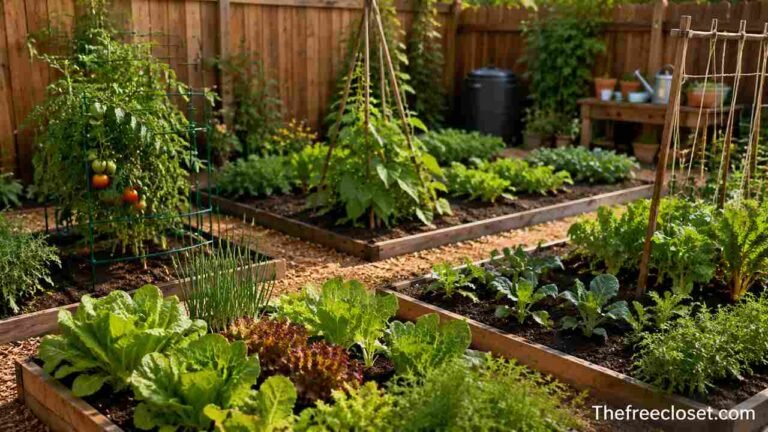
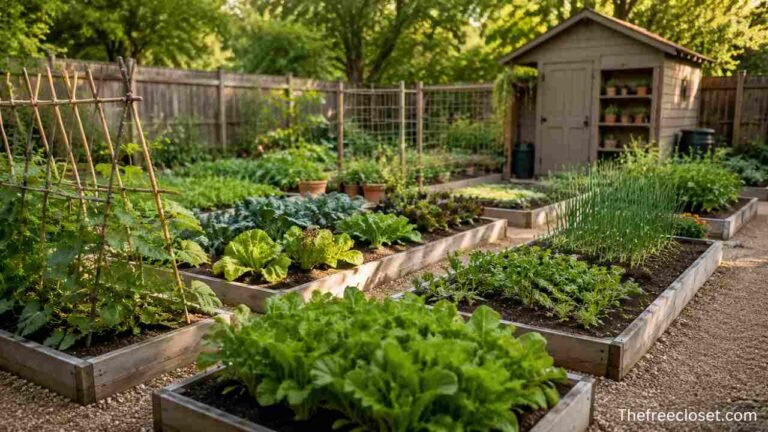
| Vegetable Garden | Raised beds, herbs, edible plants | Productive outdoor areas |
A garden theme affects plant choices, pathway materials, furniture selection, and decorative elements. For example, a modern garden often uses fewer plant varieties with strong structural shapes, while a cottage garden combines multiple flowering species for a softer appearance.
The selected style should also support practical needs. Families may prioritize lawns and seating areas, while gardening enthusiasts may prefer larger planting zones for seasonal crops and ornamental plants.
Design Functional Garden Zones
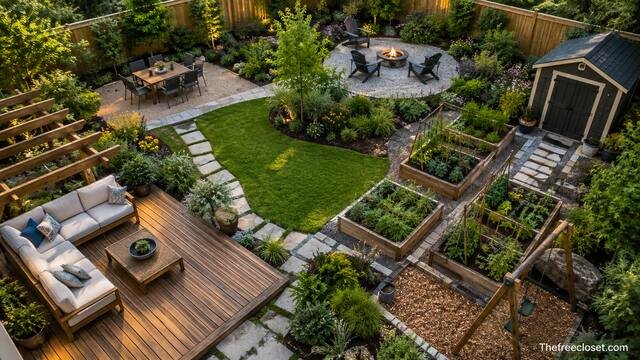
Divide the garden into functional zones to maximize usability and organization. Each area should have a specific purpose, such as relaxation, entertainment, planting, or recreation.
A complete garden layout commonly includes:
- Planting areas for flowers, shrubs, trees, or vegetables
- Pathways for movement and accessibility
- Seating spaces for relaxation
- Lawn areas for recreation
- Decorative zones for water features or sculptures
The arrangement of these zones depends on the garden size and user requirements. Small gardens benefit from multifunctional spaces, such as a seating area surrounded by plants or vertical gardens placed along walls. Larger gardens can include separate sections connected by pathways.
Functional zoning also improves maintenance because similar plants and activities remain grouped together. For example, vegetable beds can be positioned near water sources, while low-maintenance plants can occupy areas that receive less attention.
Plan Garden Pathways and Movement Flow
Create pathways that guide movement through the garden while adding structure and visual interest. A properly designed pathway connects important areas and prevents damage to plants caused by frequent walking.
Pathway materials include natural stone, gravel, brick, concrete, and wood. The choice depends on garden style, budget, and maintenance preferences. Curved pathways create a natural landscape feeling, while straight pathways provide a formal appearance.
Pathways should also consider accessibility. Proper width, stable surfaces, and clear connections between zones make the garden comfortable for all users. Lighting along pathways improves safety and highlights landscape features during evening hours.
Select Plants According to Garden Conditions
Choose plants based on sunlight, soil, climate, and maintenance requirements rather than appearance alone. The right plant selection ensures healthy growth and reduces future maintenance problems.
Plant categories commonly used in garden layouts include:
| Plant Category | Purpose | Examples |
| Trees | Shade, structure, privacy | Maple, olive, citrus trees |
| Shrubs | Borders and screening | Boxwood, roses, hydrangeas |
| Flowers | Color and seasonal interest | Tulips, marigolds, lavender |
| Ground Covers | Soil protection and texture | Creeping thyme, moss |
Plant arrangement should consider height, color, texture, and seasonal changes. Tall trees usually form the background layer, shrubs create middle-level structure, and flowers or ground covers complete the lower layer.
A balanced garden includes plants with different blooming periods so the landscape remains attractive throughout the year. Native plants often perform well because they adapt naturally to local weather and require fewer resources.
Incorporate Lawn Areas and Green Spaces
Add lawn areas where open green space supports the garden’s purpose. Grass provides a soft surface for recreation, relaxation, and visual balance within the landscape.
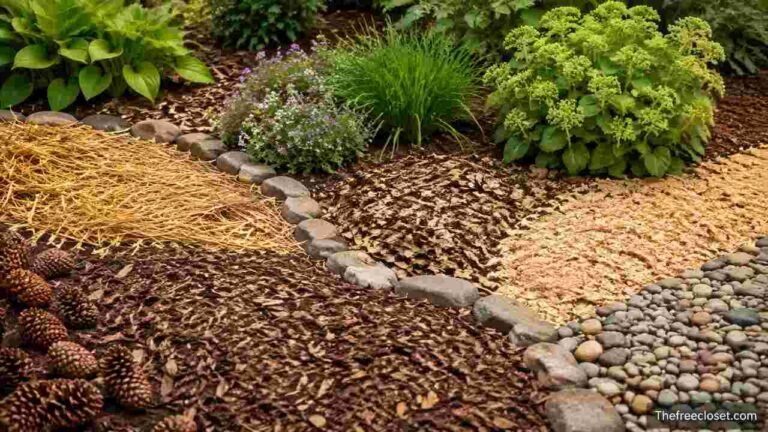
The size of the lawn should match the available space and maintenance capacity. Large lawns create open views but require more water, mowing, and care. Smaller gardens may benefit from alternatives such as ground covers, decorative gravel, or planted borders.
The lawn location should also consider sunlight and drainage. Areas with insufficient light may struggle to maintain healthy grass, while poorly drained sections can develop water-related problems. Proper preparation improves lawn durability and appearance.
Add Decorative Features and Outdoor Elements
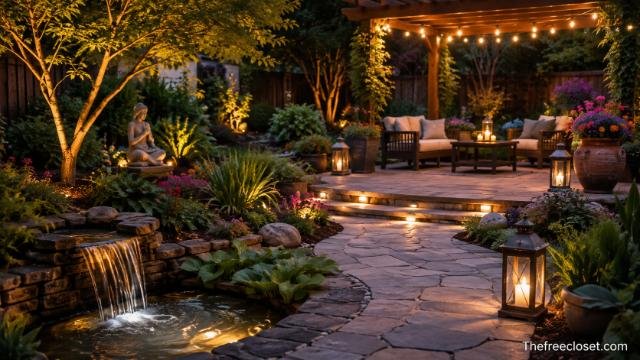
Include decorative features that enhance the character and functionality of the garden. Elements such as water features, lighting, sculptures, containers, and outdoor furniture create focal points and improve the overall experience.
Popular garden additions include:
- Water fountains and ponds for visual and sound effects
- Garden lighting for nighttime atmosphere
- Benches and outdoor seating for comfort
- Decorative containers for flexible planting
- Pergolas and trellises for vertical interest
These features should support the overall design rather than overcrowd the space. A minimalist garden may require only a few carefully selected elements, while a traditional landscape may include multiple decorative details.
Create Vertical Garden Solutions for Small Spaces
Use vertical gardening techniques when ground space is limited. Vertical gardens allow homeowners to grow plants on walls, fences, balconies, and compact outdoor areas.
Vertical solutions include wall planters, climbing plants, hanging containers, and tiered planting systems. These designs increase greenery without reducing walking or seating space.
Small gardens benefit from vertical layouts because they create depth and make limited areas appear larger. Plants such as vines, herbs, and decorative foliage work particularly well in vertical arrangements.
Improve Garden Sustainability and Maintenance
Design the garden layout with sustainability in mind to reduce resource consumption and long-term maintenance. Sustainable gardens combine efficient watering, suitable plant choices, and environmentally friendly practices.
Important sustainable features include:
- Rainwater collection systems
- Composting areas
- Native plants
- Organic soil improvement
- Efficient irrigation systems
A sustainable garden requires less water and fertilizer because plants are selected according to local conditions. Mulching, proper spacing, and seasonal pruning further improve plant health and reduce maintenance efforts.
Maintain Balance Between Beauty and Practical Use
Balance decorative appeal with practical functionality when finalizing the garden layout. A beautiful garden should also provide comfort, accessibility, and manageable maintenance requirements.
The best layouts combine different landscape components without allowing one feature to dominate. Plants, pathways, structures, and open spaces should work together to create harmony.
Future growth should also be considered because trees and shrubs change size over time. Proper spacing prevents overcrowding and allows plants to develop naturally while preserving the intended design.
Understand Common Garden Layout Mistakes
Avoid common planning mistakes that reduce garden performance and appearance. Poor placement decisions can lead to overcrowded plants, difficult maintenance, and inefficient use of space.
Common mistakes include:
- Planting without considering mature plant size
- Ignoring sunlight requirements
- Creating pathways that disrupt natural movement
- Adding too many decorative features
- Choosing plants unsuitable for local conditions
Correct planning prevents expensive changes later. A thoughtful layout provides a foundation for a healthy and attractive garden that improves over many years.
Conclusion
A garden layout transforms an outdoor area into an organized, functional, and visually appealing environment. Effective planning combines space analysis, suitable plants, practical zones, pathways, decorative elements, and sustainable practices. Whether designing a small backyard garden or a large landscape, a structured layout ensures every element contributes to comfort, beauty, and long-term garden health.
Discover the latest fashion trends, home ideas, travel tips, and lifestyle inspiration at thefreecloset.com.
FAQ’s
Create a small backyard garden layout by dividing the space into essential zones, using vertical planting, selecting compact plants, and avoiding overcrowding. Multifunctional areas help maximize limited space.
Garden layout design depends on garden size, sunlight, soil condition, climate, drainage, available water, lifestyle needs, and preferred design style.
Plants should be arranged according to height, sunlight needs, color, and growth patterns. Tall plants usually go at the back, medium plants in the middle, and smaller plants near pathways or borders.
A simple layout with clear planting beds, accessible pathways, low-maintenance plants, and a small seating area is suitable for beginners because it is easier to manage.
A sustainable garden layout uses native plants, efficient irrigation, composting, rainwater collection, and environmentally friendly materials to reduce resource use.
A lawn can improve open space and recreation areas, but it should match available maintenance time, climate conditions, and water availability. Alternative ground covers may work better in some gardens.