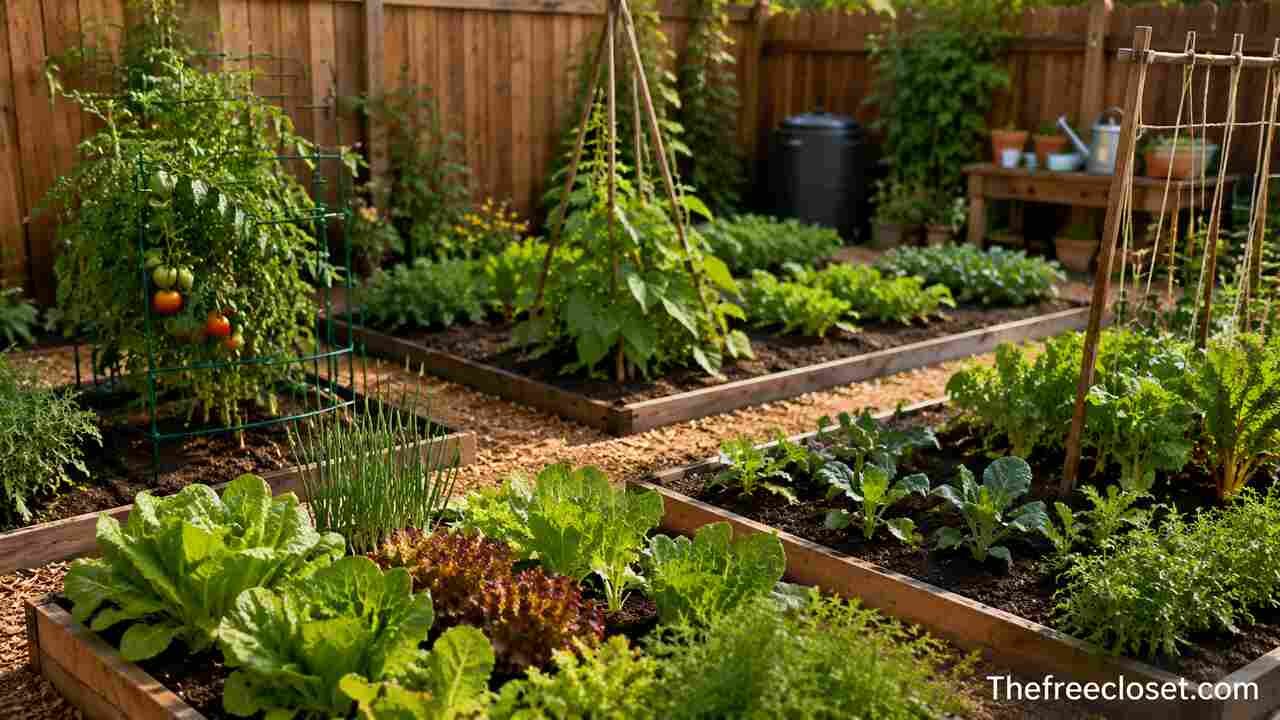
Beginner Basic Vegetable Garden Layout: Planning, Designing, and Growing a Productive Home Garden
A beginner basic vegetable garden layout helps new gardeners organize their growing space, choose suitable plants, and create better conditions for healthy vegetables. By planning sunlight, soil, spacing, watering, and plant placement, beginners can build an efficient garden that is easy to maintain and productive throughout the growing season.
Choose the Right Garden Location
Select a garden location that receives enough sunlight, has convenient water access, and provides healthy growing conditions for vegetables. Most common vegetables require six to eight hours of direct sunlight daily because light supports photosynthesis, leaf development, flowering, and fruit production.
The ideal location should include fertile soil, good drainage, and protection from strong winds. Beginners should avoid areas where large trees create heavy shade or where water collects after rainfall. A position close to the home often improves garden care because frequent observation encourages regular watering, harvesting, and pest management.
Small gardens benefit from areas such as sunny patios, balconies, side yards, or compact backyard spaces. Larger gardens can include dedicated vegetable plots with organized pathways and separate planting zones. The location influences plant health, maintenance requirements, and overall productivity.
| Location Type | Suitable Garden Style | Benefits |
| Backyard area | Raised beds or ground beds | More space for different vegetables |
| Balcony | Containers | Works well for herbs and small crops |
| Patio | Vertical gardens and pots | Saves space and improves accessibility |
| Side yard | Narrow garden beds | Uses unused outdoor areas |
Measure and Plan the Available Space
Measure the available gardening area before building beds or purchasing supplies. A basic layout begins with understanding the garden dimensions, sunlight direction, walking space, and available planting area. Accurate measurements prevent overcrowding and help create an organized growing system.
Beginner gardeners should create manageable sections rather than planting a large area immediately. Raised beds measuring around 3 to 4 feet wide allow easy access from both sides without stepping on the soil. Length can vary depending on available space, but smaller beds are often easier to maintain.
The layout should include pathways between growing areas so gardeners can water, weed, harvest, and inspect plants comfortably. A simple design often includes rectangular beds arranged with clear walking spaces. Garden planning software, paper sketches, or simple measurements can help visualize the final arrangement.
Build Simple Raised Garden Beds
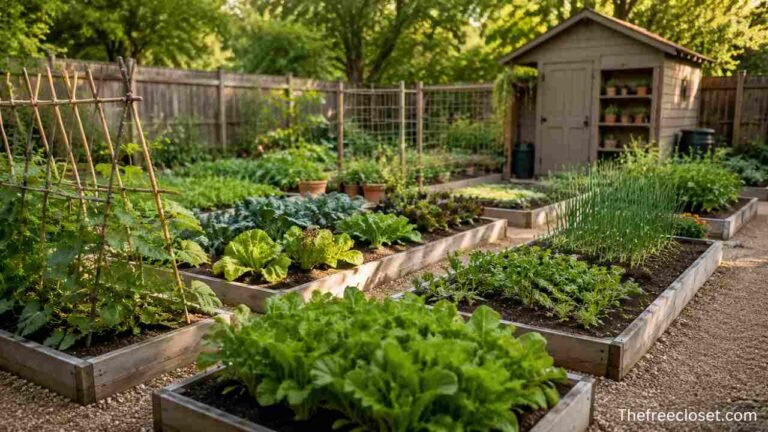
Construct raised beds to create an organized beginner vegetable garden layout with improved soil control and easier maintenance. Raised beds separate vegetable growing areas from surrounding soil while providing better drainage and a cleaner planting environment.
Common raised bed materials include untreated wood, bricks, stone, and recycled garden materials. The bed depth should provide enough space for vegetable roots, with many vegetables growing well in beds that are 8 to 12 inches deep. Deeper beds support root vegetables such as carrots, beets, and potatoes.
A beginner-friendly raised bed arrangement usually includes multiple small sections instead of one large planting area. Separate beds allow gardeners to rotate crops, group similar vegetables, and manage soil conditions more effectively.
Popular raised bed layouts include:
| Raised Bed Layout | Best For | Features |
| Square layout | Small gardens | Easy organization and access |
| Rectangular beds | Backyard gardens | Efficient use of space |
| L-shaped beds | Corner spaces | Maximizes unused areas |
| Vertical beds | Limited spaces | Supports climbing plants |
Arrange Vegetables According to Sunlight Needs
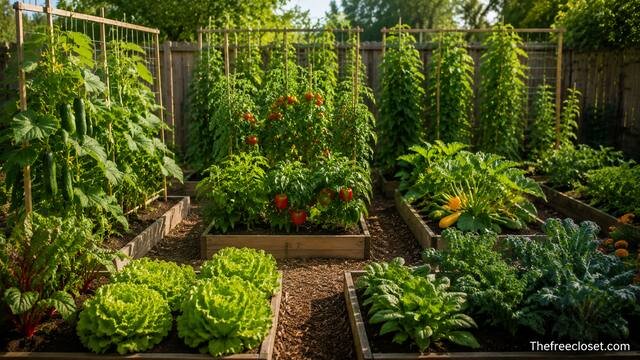
Place vegetables according to their sunlight requirements to ensure each plant receives adequate energy for growth. Tall crops should usually be positioned on the northern or back side of the garden so they do not block sunlight from shorter vegetables.
Sun-loving vegetables such as tomatoes, peppers, cucumbers, squash, and beans perform best in open areas with maximum exposure. Leafy vegetables including lettuce, spinach, and kale can tolerate partial shade, making them suitable for areas receiving fewer hours of sunlight.
A beginner garden layout should organize plants by height and growth pattern. Tall crops can grow on trellises or support structures, medium-sized plants can occupy central sections, and low-growing vegetables can be placed near pathways for easy harvesting.
Select Beginner-Friendly Vegetables
Choose vegetables that are reliable, productive, and suitable for the local growing season. Beginners often achieve better results by growing plants that require simple care and provide frequent harvests.
Easy vegetables for new gardeners include lettuce, radishes, green beans, carrots, tomatoes, cucumbers, peppers, and herbs. These crops demonstrate basic gardening principles such as watering schedules, spacing, harvesting, and pest observation.
Different vegetables have different growing requirements. Tomatoes need support structures and warm conditions, while leafy greens prefer cooler temperatures. Understanding plant characteristics helps gardeners create a balanced layout.
| Vegetable | Growing Space Needed | Garden Position |
| Lettuce | Small spacing | Front edges or shaded areas |
| Carrots | Loose soil depth | Middle sections |
| Tomatoes | Larger spacing | Back area with support |
| Beans | Vertical support | Side sections or trellises |
| Cucumbers | Vertical or spreading space | Near climbing structures |
Organize Plants Using Companion Planting
Arrange compatible vegetables together to improve garden efficiency and plant health. Companion planting places certain crops near each other because they may support growth, attract beneficial insects, or use space effectively.
A beginner layout can combine vegetables with similar watering and sunlight requirements. For example, tomatoes can grow near basil because both prefer warm conditions, while lettuce can grow near taller plants where partial shade is available.
Gardeners should avoid placing plants together when they compete heavily for nutrients or space. Large spreading crops such as pumpkins and squash require additional room and should be placed where they will not overwhelm smaller plants.
Common companion combinations include:
- Tomatoes with basil and peppers
- Carrots with lettuce and onions
- Beans with leafy greens
- Cucumbers with dill and flowering herbs
Create Efficient Garden Pathways
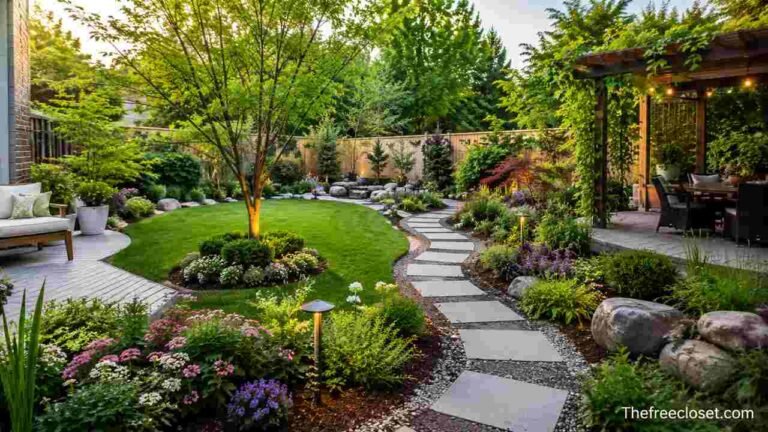
Design pathways that make every part of the garden easy to reach without damaging plants or soil. Accessible paths reduce maintenance difficulty and allow gardeners to perform regular tasks comfortably.
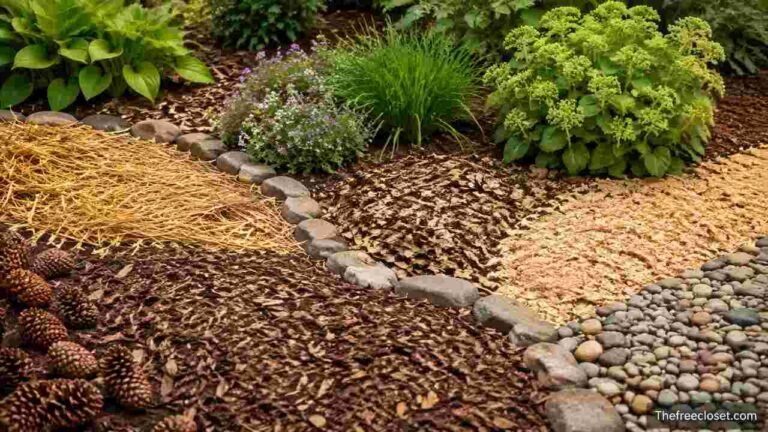
Pathways can be created using gravel, wood chips, stepping stones, or mulch. The width should allow comfortable movement, especially when carrying watering cans, tools, or harvested vegetables.
A practical beginner vegetable garden layout places pathways between beds rather than around the entire garden only. Internal access improves watering efficiency, weed control, and harvesting speed.
Install a Simple Watering System
Create a watering plan that delivers consistent moisture to vegetable plants without wasting resources. Vegetables require regular hydration because uneven watering can affect growth, fruit production, and plant health.
Beginner gardens can use watering cans, garden hoses, drip irrigation systems, or soaker hoses. Drip systems are efficient because they deliver water directly to plant roots while reducing evaporation.
The garden layout should place plants with similar water needs together. Grouping vegetables this way prevents overwatering some plants while underwatering others. Mulching around plants also helps maintain soil moisture and reduce weed growth.
Prepare Healthy Soil Before Planting
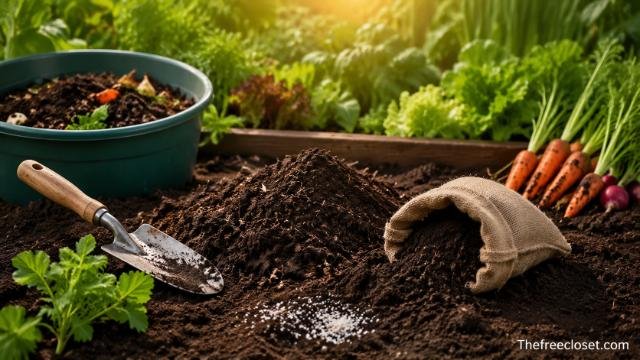
Improve soil quality before adding vegetables to the garden layout. Healthy soil provides essential nutrients, supports root development, and improves water retention.
Garden soil preparation usually includes adding compost, organic matter, and natural fertilizers. Compost improves soil structure by increasing beneficial microorganisms and helping plants access nutrients.
Different vegetables require different soil conditions. Root crops need loose soil for expansion, while leafy vegetables benefit from nutrient-rich growing areas. Testing soil quality before planting helps identify problems related to acidity, drainage, or nutrient levels.
Add Vertical Growing Structures
Use vertical gardening methods to maximize production in small vegetable gardens. Trellises, cages, and supports allow climbing plants to grow upward instead of spreading across limited ground space.
Vertical structures are useful for vegetables such as beans, peas, cucumbers, and some tomato varieties. They improve airflow around plants, reduce disease risks, and make harvesting easier.
Place vertical supports along the edges or back sections of the garden layout. This arrangement prevents climbing plants from shading smaller vegetables while making efficient use of available space.
Maintain the Garden Layout Throughout the Season
Maintain organization by monitoring plant growth, removing weeds, and adjusting support systems as vegetables develop. A beginner garden layout changes over time because plants increase in size and seasonal crops are replaced.
Regular maintenance includes checking soil moisture, removing damaged leaves, controlling pests, and harvesting vegetables when mature. Consistent care improves productivity and prevents small problems from becoming major issues.
Gardeners should also practice crop rotation by changing vegetable locations each growing season. Rotating crops reduces soil nutrient depletion and helps prevent recurring pest and disease problems.
Expand the Garden After Gaining Experience
Increase garden size gradually after learning basic vegetable growing techniques. Beginners often achieve better long-term success by starting with a manageable layout and adding new sections over time.
Expansion can include additional raised beds, fruit plants, herbs, compost areas, or greenhouse structures. Experienced gardeners can experiment with advanced techniques such as succession planting, seed saving, and specialized growing systems.
A successful garden develops through observation and improvement. Each season provides information about plant performance, soil conditions, and layout adjustments.
Conclusion
A beginner basic vegetable garden layout creates the foundation for a successful home growing space by combining smart planning, suitable plant selection, efficient spacing, and easy maintenance. A simple design with organized beds, accessible pathways, proper sunlight placement, and healthy soil allows new gardeners to produce fresh vegetables with confidence.
Starting small, choosing reliable crops, and improving the layout over time helps beginners develop practical gardening skills. A thoughtfully designed vegetable garden transforms available outdoor space into a productive and enjoyable source of fresh food.
Discover the latest fashion trends, home ideas, travel tips, and lifestyle inspiration at thefreecloset.com.
FAQ’s
A beginner vegetable garden can start with a small area such as a few raised beds, containers, or a small backyard section. The ideal size depends on available space, gardening goals, and maintenance time.
Lettuce, radishes, beans, carrots, tomatoes, cucumbers, and herbs are commonly recommended because they grow well with basic care and provide visible results.
Vegetables should be arranged based on sunlight, plant height, spacing needs, and water requirements. Tall crops should stay behind shorter plants to prevent shade problems.
Raised beds are often useful for beginners because they improve drainage, control soil quality, reduce weed pressure, and create organized planting areas.
Most vegetable gardens need consistent moisture, often requiring watering several times per week depending on weather, soil type, and plant requirements.
Yes. Small gardens can produce vegetables using containers, vertical structures, balcony gardens, and compact raised bed designs. Proper planning allows productive gardening even in limited areas.