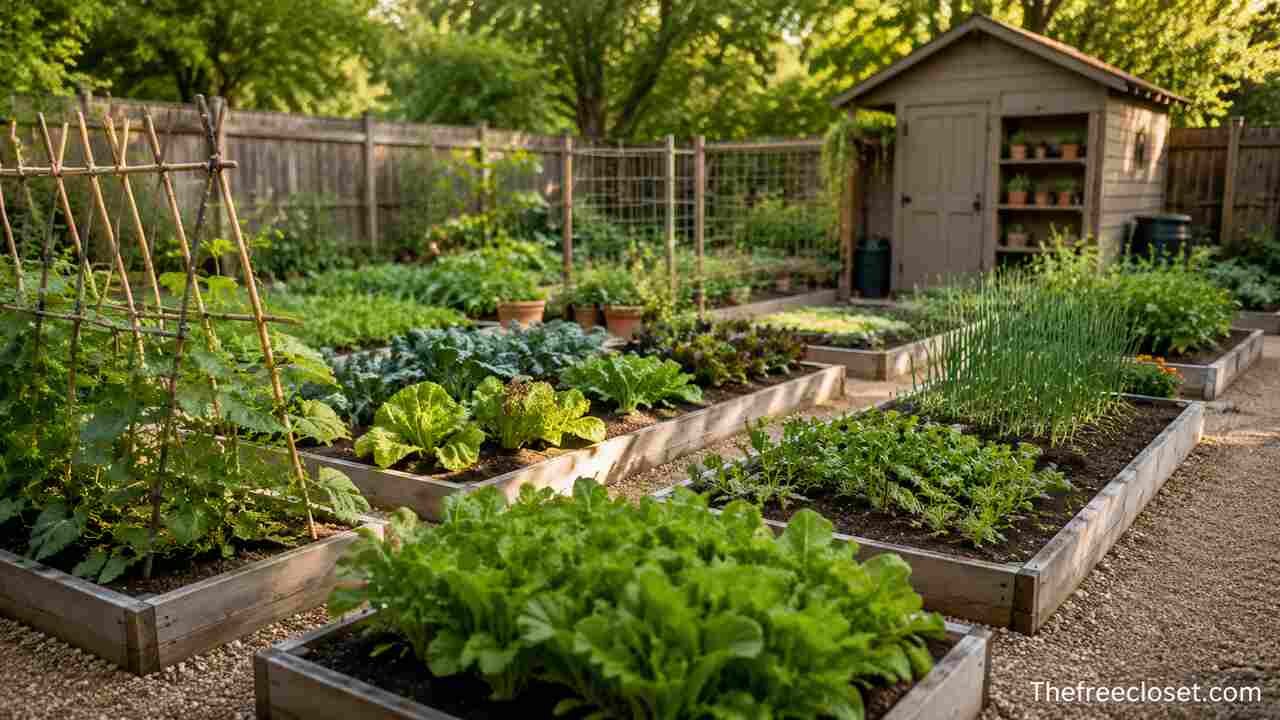
Vegetable Garden Layout: Planning Productive Garden Spaces for Better Growth and Easier Maintenance
A vegetable garden layout is a planned arrangement of plants, pathways, and growing areas that helps maximize space, improve plant health, and simplify garden maintenance. A good layout considers factors such as sunlight, soil conditions, watering access, and plant compatibility to create a productive and organized garden.
Analyze Available Garden Space Before Creating the Layout
Start by evaluating the available growing area before selecting a vegetable garden layout. Measure the garden dimensions, identify sunlight patterns, examine soil quality, and determine access points for watering and maintenance. These factors influence which vegetables can grow successfully and where each crop should be positioned.
The main elements to assess include garden orientation, sunlight duration, drainage conditions, and surrounding structures. Most vegetables require six to eight hours of direct sunlight daily, while leafy greens and shade-tolerant crops can perform well in areas with partial sunlight. The location of fences, trees, buildings, and irrigation sources also affects plant placement.
A small urban garden requires a different approach compared with a large backyard vegetable garden. Limited spaces often benefit from vertical gardening, raised beds, and intensive planting techniques, while larger gardens can include wider pathways, dedicated crop sections, and rotation zones.
| Garden Space Type | Recommended Layout Approach | Suitable Crops |
| Small backyard | Raised beds, vertical growing, square-foot planting | Lettuce, herbs, tomatoes, peppers |
| Medium garden | Multiple beds with pathways | Beans, carrots, cucumbers, squash |
| Large garden area | Row planting with rotation sections | Corn, potatoes, onions, seasonal crops |
| Balcony or patio | Container-based arrangement | Herbs, salad greens, cherry tomatoes |
Choose the Best Vegetable Garden Layout Style
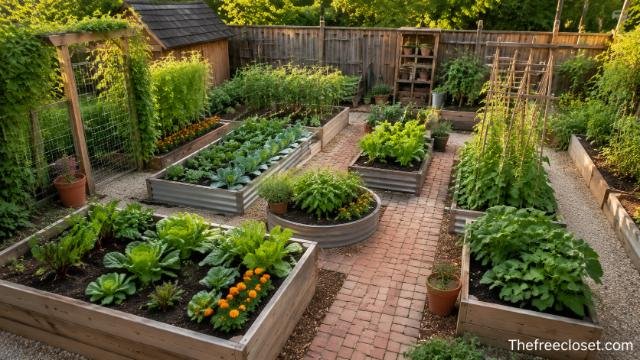
Select a garden layout style that matches the available space, gardening goals, and maintenance preferences. Different layouts organize vegetables in unique ways, allowing gardeners to balance productivity, appearance, and convenience.
The traditional row garden layout places vegetables in straight lines with walking space between rows. This design works well for large gardens because it simplifies planting, irrigation, and harvesting. Raised bed layouts divide growing areas into organized sections, improving soil control and accessibility.
Square-foot gardening uses divided planting sections to maximize production in limited areas. Each square contains specific crops based on plant spacing requirements. Companion planting layouts arrange compatible vegetables together to improve growth, attract beneficial insects, and reduce pest pressure.
Common vegetable garden layout styles include:
| Layout Style | Main Feature | Best For |
| Row garden | Straight planting lines | Large outdoor gardens |
| Raised bed layout | Elevated growing sections | Better soil control and accessibility |
| Square-foot garden | Intensive planting grids | Small spaces |
| Vertical garden | Uses upward growing structures | Patios and compact gardens |
| Companion garden | Groups beneficial plants together | Organic gardening |
Choosing the correct layout style depends on the gardener’s available area and long-term goals. A family growing vegetables for daily cooking may prioritize easy access and continuous harvesting, while a market gardener may focus on maximum production efficiency.
Position Vegetables According to Sunlight Requirements
Arrange vegetables according to their sunlight needs to improve growth and yield. Tall plants should generally be placed on the northern side of the garden so they do not block sunlight from shorter crops. Sun-loving vegetables should occupy the brightest areas, while shade-tolerant plants can grow in locations receiving fewer hours of direct light.
Vegetables such as tomatoes, peppers, cucumbers, squash, and eggplants perform best with full sun exposure. These crops require strong light for flowering and fruit development. Leafy vegetables including spinach, lettuce, and kale can tolerate partial shade because they mainly produce leaves rather than fruits.
A sunlight-based arrangement creates natural layers within the garden. Taller crops can provide limited afternoon shade for sensitive plants, while low-growing vegetables remain exposed to morning and midday sunlight.
Design Garden Beds for Efficient Plant Growth
Create organized garden beds that provide enough space for roots, airflow, and maintenance activities. The dimensions of each bed should allow easy access from both sides without stepping on growing soil. Many gardeners prefer beds that are approximately three to four feet wide because they can reach the center comfortably.
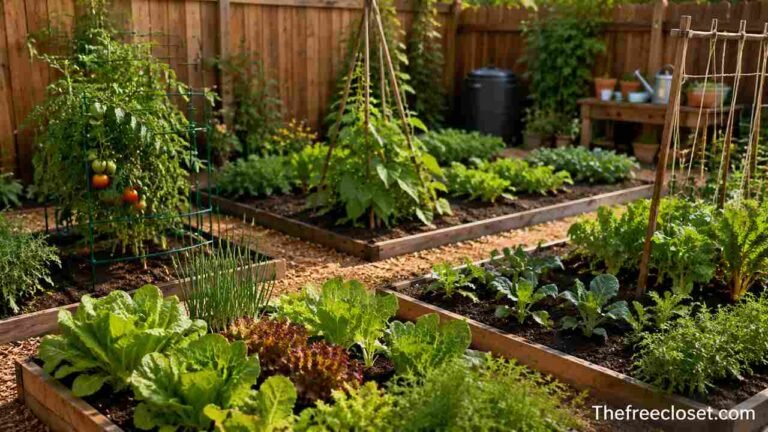
Raised beds are popular because they improve drainage, warm soil faster in spring, and allow gardeners to customize soil mixtures. They are especially useful in areas with poor native soil or compacted ground conditions. Materials such as untreated wood, stone, or recycled garden materials can be used to construct durable beds.
A productive bed design includes clear sections for different vegetable groups. For example, one bed may contain root vegetables, another may contain fruiting plants, and another may contain herbs or companion plants.
Arrange Vegetables Using Companion Planting Principles
Use companion planting strategies to create healthier vegetable garden layouts. Companion planting places certain vegetables, herbs, and flowers together because they provide benefits such as pest control, improved pollination, or better use of garden space.
Tomatoes often grow well near basil because basil attracts beneficial insects and fits efficiently around tomato plants. Beans can improve soil fertility by fixing nitrogen, making them useful companions for crops that require nutrient-rich conditions. Marigolds are frequently included in vegetable gardens because their flowers attract pollinators and add visual diversity.
However, some plants compete with each other due to similar nutrient requirements or growth patterns. Large spreading crops such as pumpkins and squash need additional space and should not overcrowd smaller vegetables.
| Vegetable | Helpful Companions | Plants to Separate |
| Tomato | Basil, carrots, onions | Corn, cabbage |
| Carrot | Beans, lettuce, onions | Dill |
| Cucumber | Beans, radishes, peas | Aromatic herbs in excess |
| Lettuce | Radish, carrots, herbs | Heavy shade producers |
Plan Pathways and Accessibility Around Garden Beds
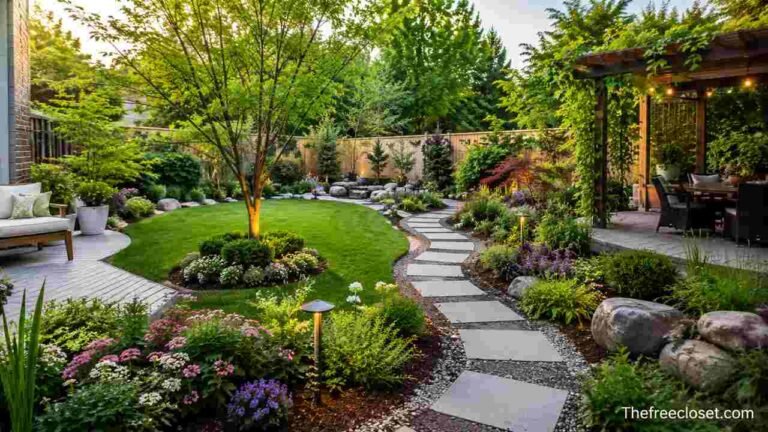
Create practical pathways that make planting, watering, and harvesting easier. Garden paths prevent soil compaction by keeping foot traffic away from growing areas. They also improve garden organization and allow access during wet weather.
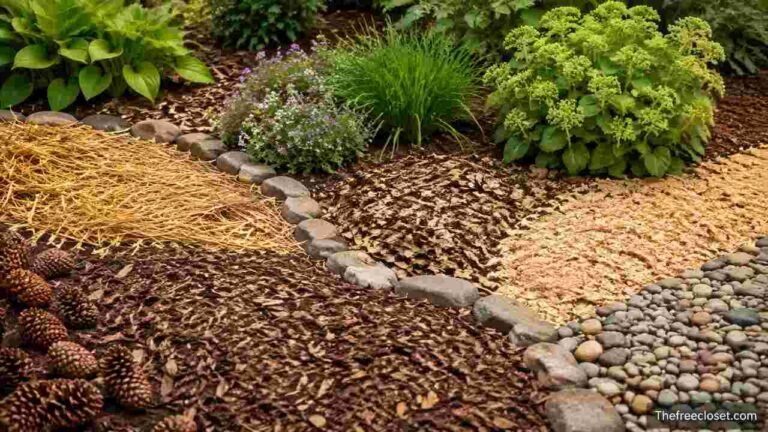
Pathway materials can include gravel, wood chips, stepping stones, or grass strips. The best option depends on climate, maintenance preferences, and garden appearance. Wider paths are useful in larger gardens because they allow wheelbarrow movement and easier transportation of compost or tools.
Accessibility should remain a priority when designing any vegetable garden layout. Gardeners should be able to reach plants without damaging surrounding crops. Raised beds with wider pathways are particularly beneficial for gardeners who need comfortable working heights.
Organize Crops With Seasonal Planting Plans
Arrange vegetables according to growing seasons to maintain continuous production throughout the year. A successful vegetable garden layout considers spring, summer, autumn, and winter crops instead of focusing on one planting period.
Cool-season vegetables such as peas, spinach, lettuce, and broccoli perform best during mild temperatures. Warm-season crops including tomatoes, peppers, cucumbers, and beans require higher temperatures and longer sunlight periods.
A seasonal layout allows gardeners to replace harvested crops with new plantings. For example, early spring lettuce can be followed by summer beans, and autumn spinach can replace harvested summer vegetables.
Improve Soil Organization Within the Vegetable Garden Layout
Prepare each growing area according to the soil requirements of different vegetables to create a healthier vegetable garden layout. Soil quality directly influences root development, nutrient availability, water retention, and overall crop performance. Grouping vegetables with similar soil preferences makes fertilizing, composting, and maintenance more efficient.
Vegetables such as carrots and potatoes require loose, well-drained soil because their edible parts develop underground. Leafy vegetables benefit from nutrient-rich soil with consistent moisture, while fruit-producing crops such as tomatoes and peppers need fertile soil with balanced nutrients to support flowering and harvest production. Adding compost, organic matter, and appropriate soil amendments improves the growing environment.
A well-organized soil plan also reduces future maintenance problems. Instead of treating the entire garden area the same way, gardeners can create specific zones based on crop needs. This approach supports healthier plants and prevents unnecessary fertilizer use.
| Soil Preference | Suitable Vegetables | Recommended Improvement |
| Loose, sandy soil | Carrots, radishes, potatoes | Add compost and organic matter |
| Moist, rich soil | Lettuce, spinach, cabbage | Maintain consistent watering |
| Fertile soil | Tomatoes, peppers, cucumbers | Add compost and balanced nutrients |
| Well-drained soil | Beans, onions, herbs | Improve drainage with organic material |
Create Raised Bed Arrangements for Better Garden Management
Build raised bed sections when better organization, drainage, and accessibility are priorities. Raised bed vegetable garden layouts divide the growing area into manageable sections, allowing gardeners to control soil composition and planting density more effectively.
Raised beds can be designed in different shapes, including rectangular beds, L-shaped gardens, tiered structures, and narrow border beds. Rectangular beds are commonly used because they maximize planting space while maintaining easy access. Tiered raised beds work well on sloped land because they reduce erosion and improve water distribution.
The placement of raised beds should consider sunlight, irrigation access, and walking space. Keeping beds close to a water source reduces maintenance effort, while consistent spacing between beds improves airflow and movement. A carefully designed raised bed system can support vegetables, herbs, flowers, and pollinator plants in one organized garden area.
Incorporate Vertical Gardening Into Small Vegetable Spaces
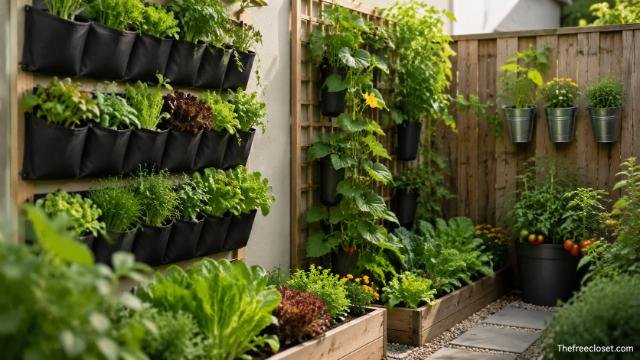
Add vertical structures when limited space requires a more efficient vegetable garden layout. Vertical gardening allows climbing vegetables to grow upward instead of spreading across the ground, increasing production in compact areas.
Vegetables such as cucumbers, pole beans, peas, and certain squash varieties perform well with trellises, cages, and support systems. These structures improve airflow around plants, reduce disease risk, and make harvesting easier because vegetables are more visible.
Small-space gardeners often combine vertical gardening with raised beds or container systems. A narrow garden wall, balcony, patio corner, or small backyard can produce a surprising amount of food when vertical growing methods are integrated into the design.
Apply Crop Rotation When Planning Long-Term Garden Layouts
Include crop rotation principles when designing a vegetable garden layout that will remain productive over multiple seasons. Crop rotation involves changing the location of plant families each growing cycle to reduce disease buildup, manage soil nutrients, and improve garden sustainability.
Different vegetable groups use nutrients in different ways. Legumes such as beans and peas add nitrogen to the soil, while heavy feeders such as tomatoes and corn consume significant nutrients. Moving these groups between garden sections helps maintain soil balance.
A basic four-year rotation system may separate crops into categories such as legumes, leafy vegetables, root crops, and fruiting plants. This approach reduces recurring pest problems and creates a more stable growing environment.
| Crop Group | Examples | Rotation Benefit |
| Legumes | Beans, peas | Add nitrogen to soil |
| Leaf crops | Lettuce, spinach, cabbage | Use moderate nutrients |
| Root crops | Carrots, onions, potatoes | Improve soil structure through varied growth |
| Fruiting crops | Tomatoes, peppers, squash | Prevent repeated nutrient depletion |
Design Container Vegetable Garden Layouts for Limited Areas
Arrange containers strategically when growing vegetables on balconies, patios, rooftops, or small outdoor spaces. Container vegetable garden layouts depend on selecting suitable pots, positioning plants according to sunlight, and managing water requirements.
Large containers are suitable for vegetables with extensive root systems, including tomatoes, peppers, and eggplants. Smaller containers work well for herbs, lettuce, radishes, and compact vegetable varieties. Using vertical supports alongside containers increases production without requiring additional ground space.
Container placement should also consider temperature and weather conditions. Dark containers may heat quickly in direct sunlight, while lightweight containers may dry out faster. Grouping containers with similar watering needs simplifies daily care.
Install Efficient Watering Systems Within the Garden Layout
Plan irrigation placement before planting to ensure vegetables receive consistent moisture. A well-designed watering system reduces water waste, prevents plant stress, and makes garden maintenance easier.
Drip irrigation systems are commonly used in vegetable gardens because they deliver water directly to plant roots while reducing evaporation. Soaker hoses provide another effective option, especially for raised beds. Hand watering may work for small gardens but becomes less practical as garden size increases.
The garden layout should place crops with similar moisture requirements together. Vegetables that need frequent watering should not be mixed with drought-tolerant herbs because their irrigation needs differ.
| Irrigation Method | Advantages | Suitable Layout |
| Drip irrigation | Efficient root watering | Raised beds and large gardens |
| Soaker hoses | Simple installation | Garden rows and borders |
| Hand watering | Low equipment cost | Small container gardens |
| Sprinklers | Covers large areas | Open garden spaces |
Include Pollinator-Friendly Plants in Vegetable Garden Designs
Add flowers and beneficial plants to improve vegetable production and create a balanced garden environment. Pollinators such as bees and butterflies support fruit development in many vegetables, including cucumbers, squash, pumpkins, and peppers.
Flowering plants can be placed around garden borders, between vegetable sections, or within raised beds. Common additions include marigolds, nasturtiums, sunflowers, and flowering herbs. These plants provide nectar sources while adding visual appeal.
A pollinator-friendly vegetable garden layout also supports beneficial insects that naturally control pests. Ladybugs, lacewings, and other helpful insects contribute to a healthier ecosystem by reducing reliance on chemical pest control methods.
Select Garden Layouts Based on Vegetable Categories
Group vegetables according to their growth habits, harvesting patterns, and space requirements. Categorizing plants makes it easier to design efficient sections and prevents aggressive growers from overwhelming smaller crops.
Root vegetables usually require dedicated soil depth, while spreading crops need additional horizontal space. Climbing vegetables benefit from vertical supports, and frequently harvested vegetables should be positioned near accessible pathways.
A category-based arrangement creates a predictable gardening system. Gardeners can quickly identify where crops are planted, monitor growth progress, and plan future planting cycles.
| Vegetable Category | Growth Pattern | Layout Recommendation |
| Root vegetables | Underground growth | Deep soil sections |
| Leafy vegetables | Compact growth | Dense planting areas |
| Fruiting vegetables | Larger plants | Spaced beds with support |
| Climbing vegetables | Vertical growth | Trellis areas |
Avoid Common Vegetable Garden Layout Mistakes
Prevent common planning errors that reduce productivity and increase maintenance requirements. Poor spacing, inadequate sunlight, and improper plant grouping are among the most frequent problems in vegetable garden designs.
Overcrowding reduces airflow and increases competition for nutrients and water. Planting tall vegetables in front of shorter crops can create unwanted shade. Ignoring future plant size often leads to tangled growth that becomes difficult to manage.
A successful layout considers mature plant dimensions rather than only the size of seedlings. Planning ahead creates a garden that remains organized throughout the growing season.
Common mistakes include:
- Placing vegetables without considering sunlight direction
- Creating beds that are too wide to reach comfortably
- Ignoring plant spacing requirements
- Mixing crops with conflicting water needs
- Forgetting pathways and maintenance access
- Planting too many vegetables at the same time
Maintain and Update the Vegetable Garden Layout Each Season
Review and adjust the garden design after each growing season to improve future harvests. A vegetable garden layout should evolve based on plant performance, changing weather patterns, and gardener experience.
Record keeping helps identify which crops performed well in specific locations. Notes about planting dates, pest issues, harvest amounts, and soil improvements provide valuable information for future planning.
Seasonal adjustments may include expanding successful crops, moving plants to better locations, improving irrigation systems, or changing bed arrangements. Continuous improvement creates a more productive and sustainable garden over time.
Conclusion
A successful vegetable garden layout combines smart organization, plant knowledge, efficient space management, and long-term planning. The right design improves sunlight exposure, soil health, watering efficiency, and harvesting convenience while allowing gardeners to produce more vegetables in any available space.
Whether using raised beds, traditional rows, containers, vertical systems, or companion planting methods, the most effective layouts are created by matching garden structure with vegetable requirements. Careful planning before planting saves time, reduces problems, and creates a healthier growing environment.
A thoughtfully designed vegetable garden layout transforms ordinary outdoor spaces into productive food-growing areas. By considering sunlight, soil, spacing, irrigation, seasonal changes, and plant relationships, gardeners can create an organized system that continues providing fresh vegetables throughout the year.
Discover the latest fashion trends, home ideas, travel tips, and lifestyle inspiration at thefreecloset.com.
FAQ’s
The best layout for beginners is usually a simple raised bed design with organized sections for different vegetable groups. Raised beds provide easier soil management, better accessibility, and clearer planting organization.
Most vegetables require six to eight hours of direct sunlight daily. Fruiting vegetables such as tomatoes and peppers need full sun, while leafy vegetables can tolerate partial shade.
Vegetables should be arranged according to sunlight needs, plant height, spacing requirements, and watering preferences. Tall crops should usually be placed where they will not shade smaller plants.
Yes, small spaces can support productive gardens through raised beds, containers, vertical gardening, and intensive planting methods. Compact layouts often produce high yields when planned carefully.
The layout should be reviewed every growing season, especially when practicing crop rotation. Moving plant families between sections helps maintain soil health and reduce disease problems
Including flowers can improve pollination, attract beneficial insects, and support a healthier garden ecosystem. Flowering plants can be placed around borders or between vegetable sections without reducing productivity.