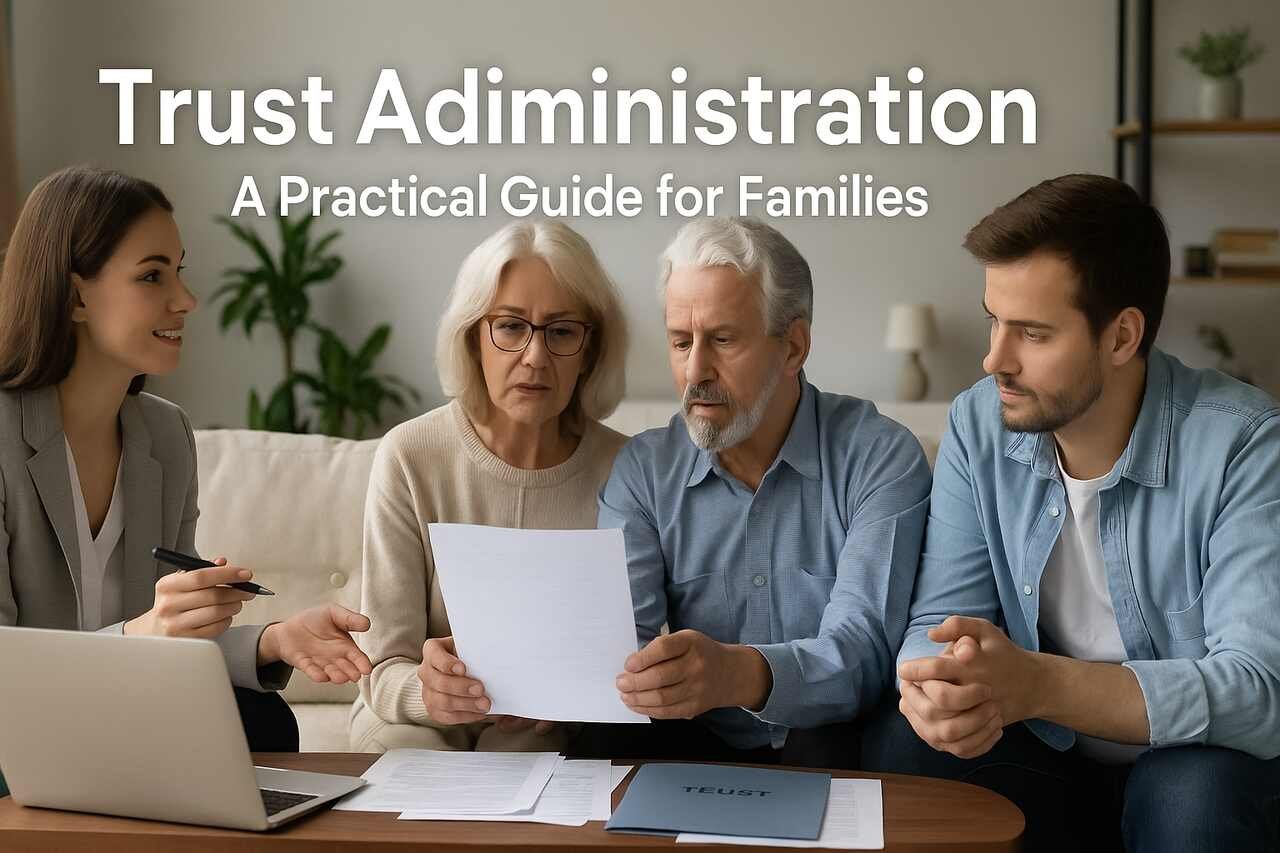
What Is Trust Administration and Why Do People Use Trusts?
A trust is a legal arrangement in which one party (the trustee) manages assets on behalf of another (the beneficiary), following instructions set by the trust’s creator (the grantor). Families and business owners frequently use trusts in their estate planning because trusts help distribute assets privately, efficiently, and according to specific wishes. They can facilitate smoother transitions after a loved one’s death, help sidestep probate court delays, and ensure sensitive family matters remain out of public records.
Trusts offer a level of control that standard wills often cannot; they can establish conditions for inheritance, appoint guardians for minors, and allow for charitable giving. Working with trusted professionals, like those offering Cunningham Legal trust administration services in California, can help families set up and manage trusts that reflect their unique circumstances and wishes while safeguarding beneficiaries’ interests.
The Basic Steps in Managing a Trust
Trust administration starts formally when the trust’s creator dies or becomes incapacitated. The first steps involve locating the trust document, notifying beneficiaries and interested parties, and taking inventory of all trust assets. Trustees must secure property, close financial accounts, and ensure the continued payment of bills and expenses. Filing required legal documents and settling outstanding debts also fall within this initial phase.
Communication is crucial: beneficiaries must be informed about the process, important deadlines, and their rights. The trustee’s timeline and specific duties can vary based on the complexity of the trust, the mix of assets, and applicable state laws. For those navigating unclear family situations or extensive estates, reviewing guidance from reputable financial resources like Forbes Advisor’s Trust overview can be immensely helpful.
Duties and Responsibilities of a Trustee
Trustees carry significant legal, ethical, and financial responsibilities. Their role includes safeguarding the trust’s assets, investing prudently, paying valid debts, and ensuring accurate record-keeping. They must also keep beneficiaries reasonably informed while balancing sometimes conflicting interests and staying impartial. Sound documentation—of every transaction, communication, and decision—is smart and required by law in most circumstances.
Trustees must also file tax returns and pay any trust-related taxes on behalf of the trust. Transparency and fairness are essential, as any appearance of misconduct can lead to disputes or even litigation.
Timelines: How Long Does Trust Administration Take?
The length of time required to administer a trust can vary greatly. Simple trusts, with one or two beneficiaries and minimal assets, may be settled within a few months. In contrast, complex trusts with diverse investments, business interests, or multiple properties can take a year or longer to administer. Delays often include challenges like locating assets, confirming legal documents, disputed claims, or tax issues.
Proactive planning and detailed trust documentation can help minimize time-consuming issues. If all the essential documentation is well-organized at the start, trustees have a much smoother experience, and families can move forward with peace of mind.
Common Challenges and Mistakes in Trust Management
Real-world trust management can be complicated. Common pitfalls include failing to promptly notify beneficiaries, distributing assets before debts are paid, or lacking clear communications among parties. Family disputes, particularly with blended families or sibling rivalry, can escalate if a trustee is confused about the trust’s intentions or mismanagement.
To avoid these mistakes, keep detailed records, communicate consistently with all parties, and seek professional advice when questions arise. Simple steps like holding regular update meetings or circulating written summaries can help set and manage expectations, reducing the risk of misunderstandings and legal battles.
Tax Considerations for Trusts
Trusts are taxed differently from individuals and traditional estates, sometimes at higher rates on income they retain. Trustees are responsible for filing annual federal tax returns (IRS Form 1041) and, in many cases, applicable state returns. Failure to fulfill these obligations may result in penalties against the trust.
Required tax documents include K-1 statements for beneficiaries who receive income. Trustees should consult the IRS guidance on trust income tax returns and consider hiring a tax professional familiar with trust taxation.
Myths and Misconceptions About Trust Administration
Many assume trusts are only for the extremely wealthy or that funds are distributed instantly once a trust has been triggered. In reality, trusts benefit families and estates of all sizes, often saving time and costs compared to probate. While trusts can offer immediate access to certain assets, legal steps and administrative reviews must still occur before distributions, sometimes creating necessary waiting periods.
With trusts tailored to nearly every kind of household, including those with modest savings or blended families, their flexibility and privacy are valued across the socioeconomic spectrum.
When Professional Guidance Is Needed
Complex trusts, ambiguous trust language, business interests, or family conflict are all scenarios where legal or financial professionals can make an enormous difference. Professional guidance adds value by ensuring accurate tax reporting, resolving potential disputes, and keeping administration compliant with current regulations. For many families, consulting an expert early and often can help avoid errors that might cost much more to fix down the road.
While every trust can be managed with a “do-it-yourself” spirit, expert guidance often results in smoother administration and lasting peace within families. Recent changes in federal and state rules further underscore the benefits of having knowledgeable professionals on your side.
Conclusion: The Value of Being Informed
Understanding the basics of trust management empowers families and individuals to make the right choices for their loved ones. With sound knowledge and proper support, anyone—regardless of estate size—can use trusts to protect assets, promote family harmony, and honor their wishes. Ongoing education, preparation, and collaboration remain the best tools for smooth and successful trust administration.