How to Declutter Your Home: A Practical Room-by-Room System for Creating a Calm, Organised Space
Learning how to declutter your home can transform the way you use, clean, and enjoy your living space. Clutter often builds gradually through everyday purchases, unfinished decisions, sentimental belongings, paperwork, clothing, and household items that no longer serve a clear purpose.
Set a Clear Decluttering Goal
Start by deciding what you want your home to feel like and how you want each room to function. A clear goal gives direction to every decision you make. You may want to create more floor space, reduce cleaning time, prepare for a move, make room for a new family member, or simply feel less overwhelmed by your surroundings.
Write down the main purpose of each room before sorting anything. A bedroom may need to support rest, dressing, and personal storage. A kitchen may need to support cooking, food preparation, and family meals. A spare room may need to function as an office, guest room, or hobby space rather than becoming a holding area for unwanted belongings.
Connect each decluttering decision to your larger goal. When you question whether to keep an item, ask whether it supports the intended use of the room. This approach shifts the process away from random tidying and turns it into a practical redesign of your living environment.
Choose One Manageable Starting Area
Begin with a small, visible area that can be completed in one session. A kitchen drawer, bedside table, bathroom shelf, or section of a wardrobe provides a manageable starting point. Completing a defined space creates momentum and helps you understand the sorting process before moving into more demanding rooms.
Avoid beginning with sentimental items, family photographs, inherited belongings, or a packed loft. These areas require more emotional energy and usually involve slower decisions. Start with everyday objects that have clear practical value, such as duplicate utensils, expired toiletries, damaged clothing, or unused paperwork.
A small success also improves confidence. Once you see an organised drawer, clear worktop, or tidy shelf, the benefits become visible. That result makes it easier to continue because you are no longer working towards an abstract idea. You are building on a physical example of how the rest of your home can look and function.
Prepare Sorting Containers Before You Begin
Set up separate containers for items you will keep, donate, sell, recycle, relocate, or discard. Clearly labelled bags or boxes prevent decisions from becoming mixed together. They also reduce the chance that unwanted items will return to cupboards or surfaces after the sorting session.
Use a simple system that matches your available time and storage space. A basic method may include four categories: keep, donate, bin, and relocate. A more detailed system may add containers for selling, repairing, returning, or giving to specific people. Keep the number of categories limited so that sorting remains easy.
Remove completed containers from the room as soon as possible. Donation bags should move to the car or near the front door. Rubbish should go directly into the bin. Items for other rooms should be returned to their proper locations. This final step prevents temporary sorting piles from becoming a new form of clutter.
| Sorting Category | Use It For | Immediate Action |
| Keep | Useful, loved, or regularly used items | Return to an assigned storage place |
| Donate | Good-quality items no longer needed | Bag, label, and schedule drop-off |
| Sell | Valuable items worth the effort of listing | Photograph and list within a set deadline |
| Recycle | Paper, packaging, electronics, or suitable materials | Place in the correct recycling stream |
| Relocate | Items that belong in another room | Return them before ending the session |
| Discard | Broken, expired, unsafe, or unusable items | Remove immediately |
Remove Obvious Rubbish and Expired Items
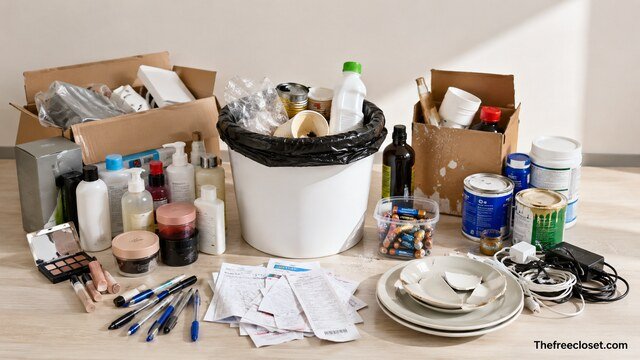
Clear visible rubbish before making more difficult decisions. Empty packaging, outdated receipts, broken accessories, expired food, dried pens, damaged containers, and unusable household products can usually be removed without hesitation. This first pass creates space and reveals the items that require closer attention.
Check dates and condition carefully. Kitchens often contain expired sauces, stale ingredients, and duplicate food products. Bathrooms may hold old cosmetics, empty bottles, and expired medicines. Home offices may contain outdated documents, dried stationery, and obsolete equipment. Follow local disposal guidance for medicines, batteries, paint, chemicals, and electrical items.
Removing obvious waste reduces visual noise quickly. It also makes the remaining collection more accurate. Instead of trying to organise everything you own, you begin working only with items that are still usable, meaningful, or potentially valuable.
Sort Similar Items Into One Place
Gather items from the same category before deciding what to keep. Place all cleaning products together, collect every pair of shoes, group kitchen utensils, combine stationery, and bring duplicate toiletries into one area. Seeing the full quantity prevents you from keeping unnecessary extras simply because they were stored in different locations.
Compare items based on condition, usefulness, frequency of use, and available storage. Keep the best version of duplicate products and release the rest. For example, six similar frying pans may not be necessary if you regularly use only two. Ten nearly identical black shirts may exceed your actual wardrobe needs.
Category-based sorting also reveals purchasing habits. You may discover repeated purchases caused by poor visibility or disorganised storage. Once similar items are stored together, you can see what you already own and avoid buying replacements unnecessarily.
Decide What Deserves Space in Your Home
Keep items that are useful, regularly used, genuinely valued, or necessary for your current lifestyle. An object should earn its place through function, meaning, or a clear future purpose. Keeping something only because it was expensive, once useful, or difficult to discard can fill your home with belongings that no longer support your life.
Ask direct questions during the decision process. Have you used the item in the last year? Would you buy it again today? Does it fit your current home, body, routine, or interests? Do you have another item that performs the same function better? Is the item worth the space, maintenance, and attention it requires?
Seasonal and occasional items still have value, but they should have a specific role. Camping equipment, holiday decorations, formal clothing, tools, and guest bedding may be used infrequently while remaining useful. The key difference is that these items have a realistic purpose rather than an imagined possibility.
Use a Simple Decision Rule for Difficult Items
Create a consistent rule for items that cause hesitation. You might decide that clothes not worn for twelve months will be donated, duplicate kitchen tools will be reduced to the best one or two, and unfinished projects will be released unless you schedule a completion date.
Apply time limits to uncertain belongings. Place difficult items in a labelled box with a review date three or six months ahead. If you do not need or remember the items during that period, you have evidence that they are not essential. Avoid using this method for too many boxes, or it may simply delay decisions.
A decision rule reduces emotional fatigue because you do not need to invent a new standard for every object. The same criteria can guide multiple rooms and categories, making the process faster and more consistent.
Declutter Your Living Room
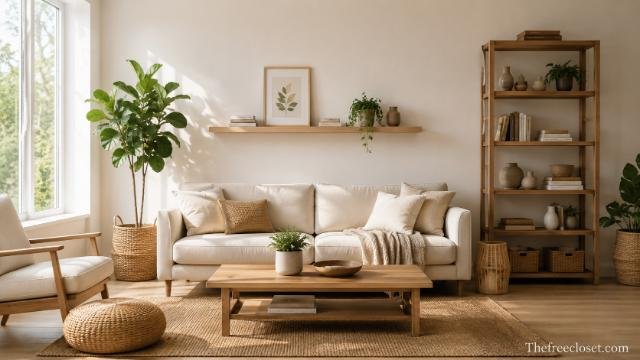
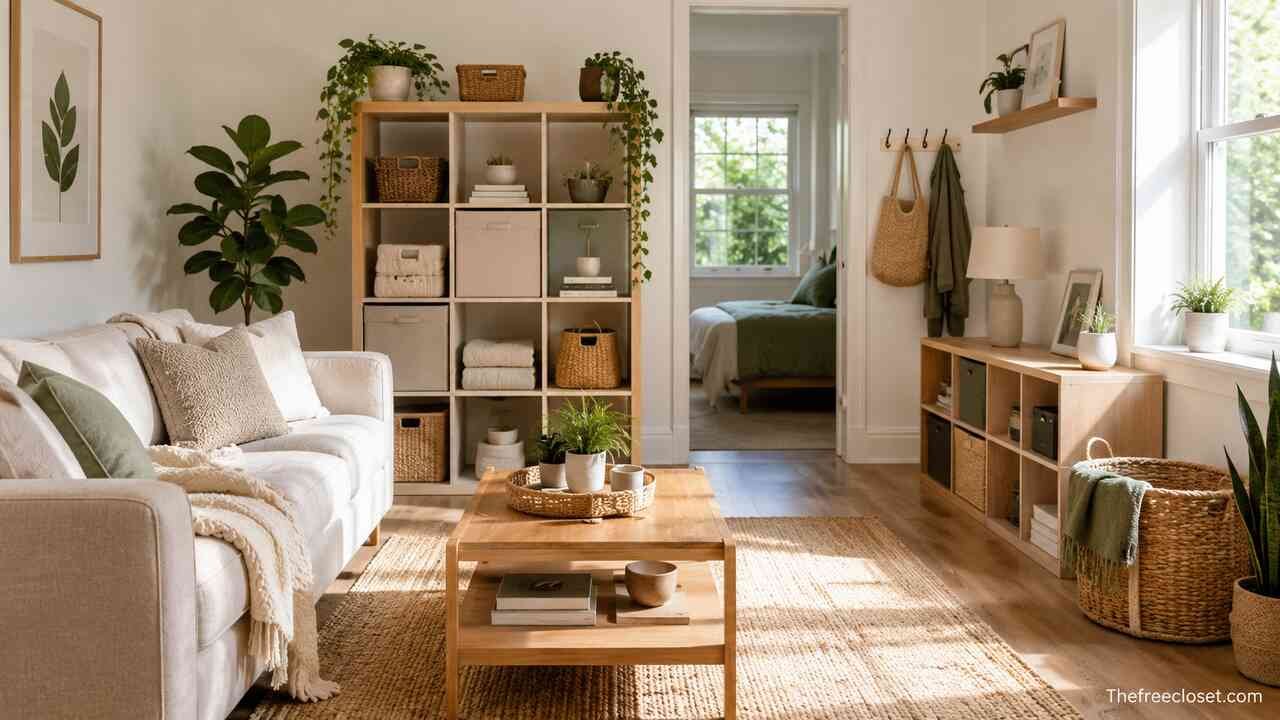
Clear surfaces first so the room immediately feels more open. Remove cups, post, toys, chargers, remote controls, magazines, blankets, and decorative items that have collected on tables or furniture. Return useful belongings to their proper locations and remove anything that belongs elsewhere.
Review furniture, entertainment equipment, books, games, and decorations. Large furniture should support the room’s primary activities without blocking movement. Keep technology that works and is still used. Recycle obsolete cables and devices responsibly. Reduce decorative objects until each remaining piece has visual space around it.
Create defined storage for common living-room items. Use a basket for blankets, a tray for remote controls, a cabinet for games, and a limited shelf area for books or displays. Storage should make daily tidying easy rather than hiding unlimited quantities behind closed doors.
Clear and Organise the Kitchen
Begin with worktops because clear preparation space improves both appearance and function. Remove appliances that are rarely used, relocate paperwork, return food to cupboards, and limit decorative objects. Keep only frequently used items within immediate reach.
Work through cupboards and drawers by category. Review plates, mugs, glasses, food containers, utensils, pans, baking equipment, spices, tins, and cleaning supplies. Discard damaged items, match containers with lids, combine duplicates, and donate equipment that no longer fits your cooking habits.
Store items near the location where they are used. Keep pans close to the hob, knives near the preparation area, glasses near the sink or dishwasher, and everyday plates within easy reach. A well-zoned kitchen reduces movement, prevents items from being misplaced, and makes it easier to notice when supplies are running low.
| Kitchen Zone | Items to Store | Decluttering Priority |
| Food preparation | Knives, chopping boards, mixing bowls | Remove duplicates and damaged tools |
| Cooking | Pans, utensils, oven trays, oils | Keep frequently used items accessible |
| Food storage | Containers, foil, reusable bags | Match lids and remove warped containers |
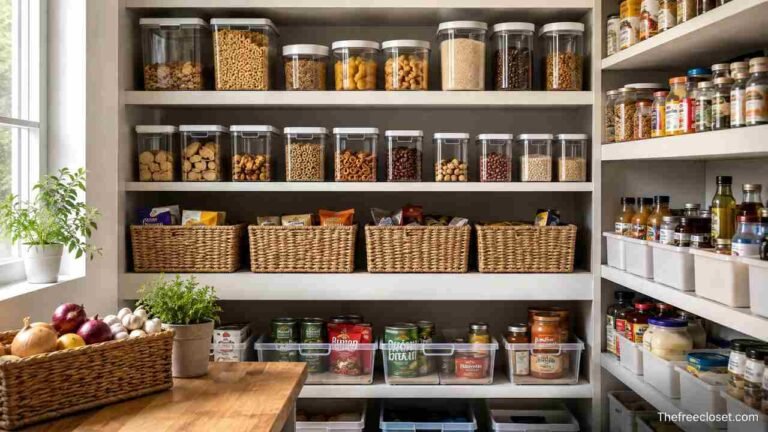
| Pantry | Tins, dry goods, spices, snacks | Check dates and group similar products |
| Cleaning | Cloths, sprays, brushes, bin bags | Remove empty bottles and excess stock |
| Serving | Plates, glasses, mugs, cutlery | Reduce quantities to realistic household needs |
Simplify Your Wardrobe
Remove everything from one wardrobe section or clothing category at a time. Trying on clothes can help you make accurate decisions about fit, comfort, condition, and style. Separate items that need washing or repair from those ready to return to storage.
Keep clothing that fits your current body and supports your actual routine. Workwear, casual clothing, exercise gear, formal outfits, seasonal layers, and footwear should reflect how you live now. Release items associated with a former job, abandoned hobby, uncomfortable style, or unrealistic future version of yourself.
Arrange the wardrobe so frequently worn clothing is easiest to access. Group similar garments together and use consistent folding or hanging methods. Limit each category to the amount that fits comfortably within the available space. A wardrobe is easier to maintain when clothes can be removed and returned without rearranging everything else.
Reduce Bathroom Clutter
Empty one cabinet, drawer, or shelf and review every product. Remove empty containers, expired cosmetics, old skincare, damaged accessories, duplicate tools, and products that caused irritation or did not work for you. Keep only items that are safe and suitable for current use.
Group products according to routine. Store daily dental care, skincare, haircare, shaving supplies, medicines, and cleaning products in separate areas. Keep everyday products accessible and move occasional supplies to higher or less convenient storage.
Avoid excessive backup stock. One replacement toothpaste or shampoo may be useful, but several years of toiletries can consume valuable space and may expire before use. Clear storage makes morning and evening routines faster because each item is visible and easy to reach.
Organise Bedrooms for Better Rest
Remove items that do not support sleep, dressing, or relaxation. Paperwork, exercise equipment, unfinished household projects, excess technology, and general storage can make a bedroom feel mentally active. Relocate these items when another appropriate space is available.
Clear bedside tables and under-bed areas. Keep only essentials such as a lamp, current book, tissues, medication, or charging cable. Use under-bed storage only for defined categories, such as seasonal clothing or spare bedding, rather than miscellaneous items.
Review bedding, pillows, blankets, and decorative cushions. Keep the quantity that matches your actual household needs and washing routine. A simplified bedroom is easier to clean and can support a calmer transition into sleep.
Control Paperwork and Household Documents
Collect paperwork from worktops, drawers, bags, shelves, and noticeboards. Sort it into action, file, scan, shred, recycle, and keep categories. Deal with urgent documents first, including bills, forms, appointment letters, school information, and official correspondence.
Create a limited filing system for records that must be retained. Categories may include identification, housing, insurance, tax, employment, education, medical information, warranties, and vehicle documents. Check official guidance before discarding legal, financial, or tax records because retention requirements vary.
Reduce incoming paper by choosing digital statements, cancelling unwanted catalogues, and processing post near the entry point. A simple weekly paperwork routine prevents small piles from spreading across the home.
Manage Children’s Toys and Belongings
Sort toys with attention to age, condition, educational value, and current interest. Remove broken toys, incomplete sets, duplicate items, and products that children have outgrown. Involve older children by giving them clear choices rather than asking whether they want to keep everything.
Use limited containers for categories such as building blocks, dolls, vehicles, puzzles, art supplies, and soft toys. The size of each container establishes a natural limit. When a category no longer fits, the collection must be reduced before new items are added.
Rotate toys when appropriate. Store part of the collection out of sight and exchange it periodically. Rotation can make familiar toys feel new while reducing the amount available at one time. It also makes tidying easier for children because each item has a visible home.
Declutter Sentimental Belongings Carefully
Leave sentimental items until you have practised making decisions in less emotional categories. Photographs, letters, gifts, inherited objects, children’s artwork, and family collections often represent memories, relationships, and identity. These belongings require patience rather than speed.
Separate the memory from the physical object. You can value a person, period, or experience without keeping every associated item. Choose representative pieces that carry the strongest meaning. Photograph bulky objects, digitise letters or artwork, and create a small memory box for carefully selected keepsakes.
Avoid forcing yourself to discard items that cause genuine distress. Sentimental decluttering should create relief, not regret. Set a physical boundary, such as one box, drawer, shelf, or album, and choose the most meaningful items that fit within that space.
Clear Garages, Lofts, Sheds, and Storage Rooms
Divide large storage areas into zones before sorting. Common zones include tools, gardening equipment, sports gear, seasonal decorations, travel items, household maintenance supplies, and archived belongings. Work on one zone at a time so the project remains controlled.
Remove broken equipment, empty boxes, dried paint, rusted tools, obsolete electronics, and items saved without a realistic purpose. Use appropriate disposal routes for hazardous materials and electrical waste. Check whether stored items have been damaged by moisture, pests, heat, or age.
Store remaining belongings according to frequency of use. Place regularly used equipment near the entrance and seasonal items in labelled containers. Avoid keeping unidentified boxes. Every container should have a clear category and visible label.
Create Practical Storage Zones
Assign every retained item a specific home. Storage works best when it matches the location and frequency of use. Everyday items should be easy to reach, while seasonal and occasional belongings can occupy higher shelves, deeper cupboards, or labelled containers.
Use drawers, shelves, hooks, baskets, dividers, and containers only after reducing the quantity of possessions. Buying storage before decluttering can hide the problem rather than solve it. Measure cupboards and shelves before purchasing organisers so they fit the available space.
Keep storage categories broad enough to remain practical. A basket labelled “cables” may be easier to maintain than several highly specific containers. The system should be clear to everyone in the household and simple enough to follow during busy days.
Limit Items to the Available Space
Treat shelves, drawers, wardrobes, and containers as fixed boundaries. The available space determines how much you can comfortably keep. When a category exceeds its boundary, reduce the quantity rather than adding storage automatically.
This principle prevents gradual expansion. A bookshelf can hold a defined number of books. A kitchen drawer can hold a practical set of utensils. A wardrobe can hold the clothing that fits without crowding. Physical limits convert vague intentions into visible standards.
Leave some empty space where possible. A partially filled shelf or drawer is easier to use and maintain than a tightly packed one. Empty space also allows room for future needs without creating immediate overflow.
Remove Donations and Sale Items Quickly
Set a deadline for unwanted items to leave your home. Donation bags should be delivered within a few days, and items intended for sale should be listed promptly. Objects that remain in hallways, spare rooms, or car boots continue to occupy physical and mental space.
Be realistic about the value of second-hand goods. Selling requires photographing, pricing, listing, messaging buyers, and arranging collection or postage. Reserve this effort for items with enough value to justify the time. Donate lower-value belongings when a quick removal is more beneficial.
Apply a deadline to unsold items. For example, reduce the price after two weeks and donate the item after four weeks. A clear rule prevents the selling category from becoming long-term storage.
Build a Daily Reset Routine
Spend a short period each day returning items to their assigned places. A ten-minute evening reset may include clearing kitchen worktops, putting away clothing, collecting cups, sorting post, returning toys, and preparing rooms for the next day.
Focus on high-traffic areas first. Entryways, kitchens, living rooms, and bedrooms tend to collect daily clutter. Resetting these spaces prevents small messes from becoming large weekend projects.
Link the routine to an existing habit. Tidy the kitchen after dinner, clear the living room before watching television, or reset the bedroom before brushing your teeth. Consistent timing makes the routine easier to remember.
Establish a One-In, One-Out Rule
Remove one similar item when a new item enters the home. A new coat replaces an old coat, a new mug replaces an unused mug, and a new toy prompts a review of the existing toy collection. This rule keeps categories within established limits.
Apply the rule most strictly to areas that fill quickly, including clothing, shoes, books, toys, kitchenware, cosmetics, and decorative objects. You may use a one-in, two-out rule temporarily when reducing an oversized collection.
The rule also encourages more deliberate purchasing. Before bringing something home, you must consider where it will be stored and what it will replace. This pause can reduce impulse buying and prevent clutter from rebuilding.
Reduce Future Purchases
Create a waiting period for non-essential purchases. Waiting 24 hours, seven days, or even a month gives you time to decide whether the item solves a real problem or responds to a temporary impulse. Longer waiting periods are useful for furniture, appliances, electronics, and expensive household goods.
Keep a shopping list and buy according to identified needs. Avoid purchasing storage products, decorative items, clothing, or backup supplies without checking what you already own. Good visibility within your home reduces accidental duplication.
Consider the full cost of ownership. Every purchase requires storage, cleaning, maintenance, repair, and eventual disposal. An item may be affordable financially while still demanding more space and attention than you want to give.
Schedule Regular Decluttering Sessions
Set recurring sessions so clutter is addressed before it becomes overwhelming. A weekly 20-minute review may be enough for active areas, while a monthly session can focus on one category or cupboard. Seasonal reviews work well for clothing, garden equipment, sports gear, and holiday supplies.
Use natural calendar points as reminders. The start of a new season, school term, holiday period, birthday, or house move can prompt a focused review. Regular sessions reduce the need for dramatic whole-home clean-outs.
Track completed areas instead of focusing only on what remains. A simple checklist can record rooms, cupboards, drawers, or categories. Visible progress helps maintain motivation during a larger home decluttering project.
Involve Everyone in the Household
Assign responsibilities according to age and ability. Each person should manage personal clothing, possessions, and daily-use areas where possible. Shared spaces require shared standards, including agreed locations for keys, shoes, paperwork, toys, and household equipment.
Avoid discarding another person’s belongings without permission. You can set boundaries around common areas and storage limits, but personal decisions should involve the owner. Forced decluttering may create conflict and reduce trust.
Use simple household rules that everyone can follow. Items should be returned after use, surfaces should remain mostly clear, and new purchases should have an assigned storage place. Consistent habits are more effective than occasional intensive cleaning.
Maintain Progress Without Seeking Perfection
Aim for a functional home rather than an empty or perfectly styled one. Real homes contain possessions, ongoing activities, and changing needs. The goal is to reduce unnecessary items and create systems that support daily life.
Expect some areas to become untidy again. Maintenance does not mean the original effort failed. It means the home is being used. A practical system allows the space to be restored without extensive sorting or decision-making.
Review storage when routines change. A new job, child, hobby, health need, or household member may require different arrangements. Decluttering is not a one-time event. It is a flexible process of aligning your belongings with your current life.
Conclusion
Learning how to declutter your home becomes easier when you stop treating it as one enormous project and start working through clear, manageable steps. Begin with a defined goal, sort one small area, remove obvious waste, group similar belongings, and keep only the items that support your current needs. Then assign every retained object a practical storage place and establish limits based on the space available.
The lasting value of decluttering comes from the routines that follow. Daily resets, regular reviews, thoughtful purchasing, and one-in, one-out rules prevent clutter from returning. A well-organised home does not need to be perfect or minimal. It needs to provide enough space, order, and flexibility for the people who live there.
Discover the latest fashion trends, home ideas, travel tips, and lifestyle inspiration at thefreecloset.com.
FAQ’s
The time depends on the size of the home, the number of belongings, and the speed of decision-making. A small flat may take several focused days, while a larger home may require several weeks or months. Consistent short sessions are often more sustainable than one intensive clean-out.
Start with a small, frequently used area where progress will be visible. A bathroom, kitchen worktop, entryway, or wardrobe section is usually easier than a loft, garage, or sentimental storage area.
Choose one drawer, shelf, or surface and set a timer for ten to twenty minutes. Remove rubbish first, then sort the remaining items into keep, donate, relocate, and discard categories. Stop after completing the defined area.
Keep an item when it is useful, regularly used, necessary, or genuinely meaningful. Consider whether you would buy it again, whether it supports your current lifestyle, and whether it deserves the storage space it occupies.
Avoid rushing sentimental or valuable decisions. Use a temporary review box for uncertain items, photograph meaningful objects, and retain a small number of representative keepsakes. Check containers, pockets, and paperwork before donating or discarding anything.
Give every item a designated home, limit categories to the available space, complete a short daily reset, and review new purchases carefully. Regular decluttering sessions and a one-in, one-out rule can also keep household quantities under control.