


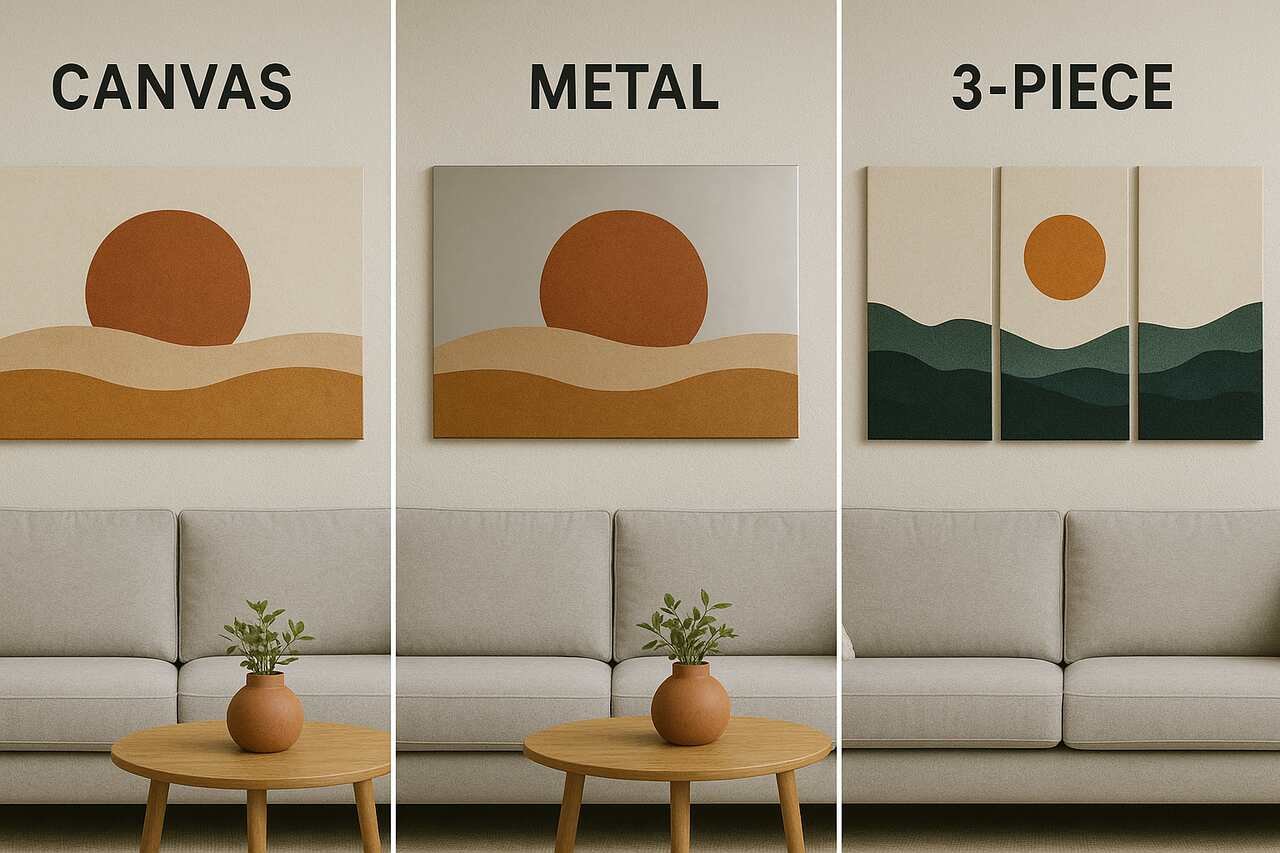
Wall art is no longer a finishing touch; it is a design centerpiece that defines how a space feels, functions, and flows. Whether you’re decorating a cozy apartment, a modern loft, or a transitional home, the choice between canvas, metal, and 3-piece wall art significantly affects your room’s ambiance. These formats go beyond decoration, serving as storytelling tools that can ground a design scheme, expand spatial perception, or introduce a tactile layer. Selecting the right format is not simply a visual choice; it is a strategic design decision that combines emotional resonance with practical adaptability.
What is the Difference Between Canvas, Metal, and 3-piece Wall Art?
Each wall art format offers unique structural elements, surface texture, installation approaches, and room-specific advantages. Understanding these differences can guide you in selecting the right piece based on environmental factors, room function, and aesthetic style.
Canvas Art

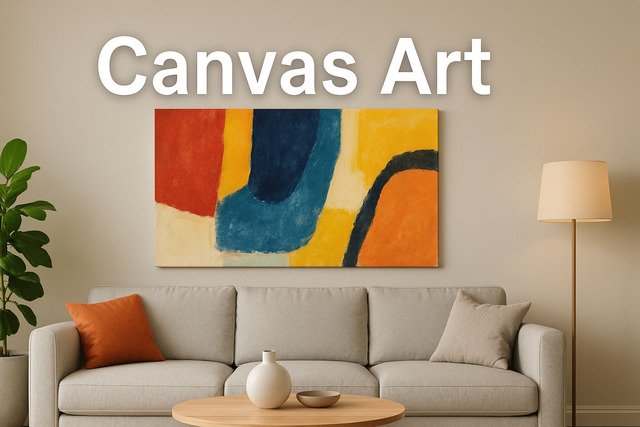
Canvas wall art uses a printed or painted image on stretched cotton or linen fabric. The material is wrapped around wooden frames, producing a soft, matte texture that absorbs light and eliminates glare. This makes canvas perfect for calm, ambient settings like bedrooms and reading nooks. It blends seamlessly with natural materials such as wood, wool, and organic textiles. However, canvas is less suitable for humid rooms unless it includes protective coatings.
Metal Wall Art
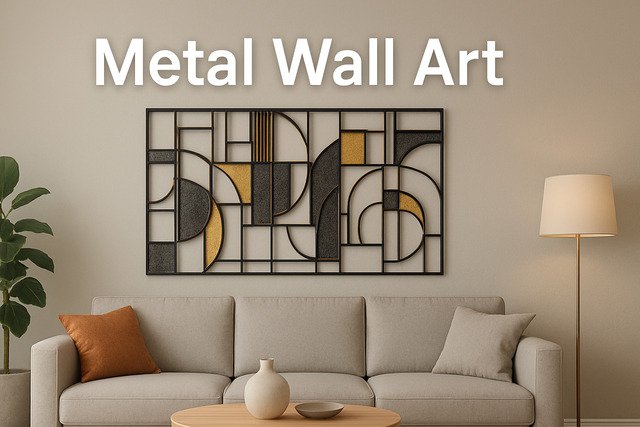
Metal wall art is made by infusing dyes onto aluminum or steel panels using a sublimation printing process. This results in vibrant, high-definition visuals with exceptional clarity and color retention. Metal prints are waterproof, scratch-resistant, and ideal for high-moisture areas such as bathrooms or kitchens. Their glossy or brushed finish reflects light, adding sharpness and dimension. Frameless floating mounts enhance their modern look, making them perfect for industrial, contemporary, or minimalist homes.
3-Piece (Triptych) Wall Art
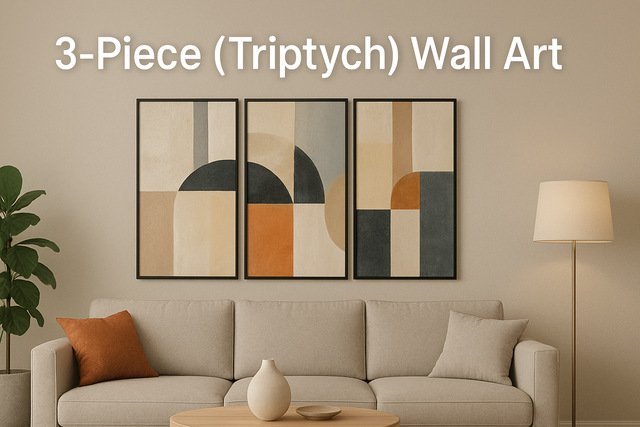
Triptych art separates a single cohesive design into three equal panels, arranged horizontally with even spacing. The visual movement created by this structure enhances large or linear wall spaces like over a bed, couch, or entryway. Triptychs balance design weight across a room and can visually expand tight areas by guiding the viewer’s gaze outward. Materials used may be canvas or metal, and mounting is done either with individual hooks or as a pre-aligned set.
Material Function and Look Comparison Table
| Feature | Canvas | Metal | 3-Piece (Triptych) |
| Surface Texture | Matte, fabric | Glossy or brushed metal | Depends on material (canvas or metal) |
| Light Interaction | Softens and diffuses light | Reflects light, sharp contrast | Spaced layout adds visual rhythm |
| Room Suitability | Bedrooms, offices, cozy areas | Kitchens, bathrooms, bright modern spaces | Wide walls, focal points, above large furniture |
| Installation Ease | Lightweight, simple hooks | Heavier, may require wall anchors | Requires alignment tools and spacing guides |
| Price Range (mid-size) | $50–$150 | $100–$250 | $100–$300+ (depends on size and material) |
How Do I Choose the Right Material for My Wall Art?
Choosing the right wall art material means assessing how it interacts with environmental conditions, room functionality, furniture textures, and long-term maintenance. Each material delivers a unique mood and performance characteristic that makes it better suited for certain rooms.
Canvas
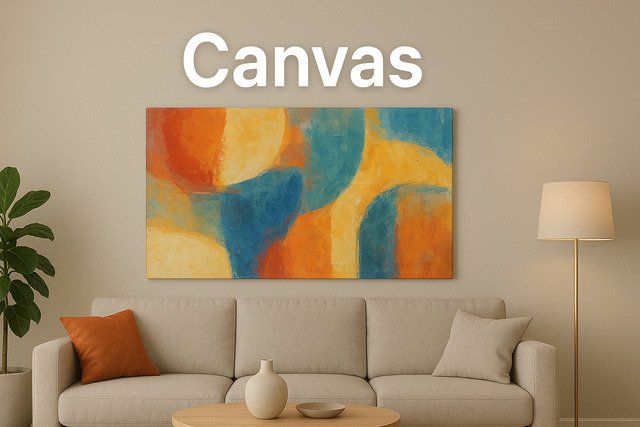
Canvas works well in quiet, relaxed spaces such as bedrooms, studies, and rustic or transitional living rooms. The texture adds warmth and integrates naturally with wooden furniture, rugs, or vintage accessories. Canvas also reduces sound reflection, contributing to a quieter ambiance. However, without sealing or protection, it can absorb moisture and become susceptible to mold in damp rooms.
Metal
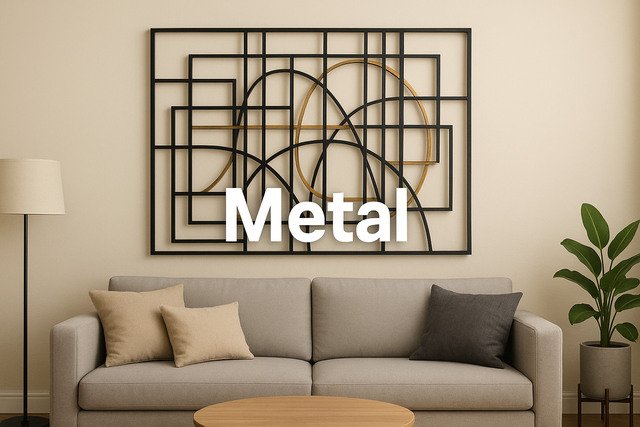
Metal prints are ideal for rooms with strong lighting, moisture exposure, or high activity levels. Their clean, sleek surfaces pair beautifully with modern design elements like glass tables, chrome fixtures, and concrete floors. Metal resists fading, corrosion, and scratches, making it an excellent long-term investment for kitchens, hallways, and bathrooms. Their reflective nature adds brightness and visual clarity to minimalist interiors.
Triptychs

Triptychs are best used in large, uninterrupted wall spaces that need organization or central focus. Their equal spacing and panel arrangement create visual symmetry and balance, especially in open-concept living rooms or above long furniture pieces. They allow flexible spacing, which makes them adaptable for irregular or tricky wall layouts.
Room Placement Suggestions Table
| Room Type | Best Art Material | Reason |
| Bedroom | Canvas | Warm texture, matte finish, calming tone |
| Kitchen | Metal | Water and heat resistance, easy to clean |
| Bathroom | Metal | Humidity-friendly, durable against moisture |
| Hallway or Staircase | Triptych | Fills horizontal space with visual flow |
| Living Room (bright) | Metal or Canvas | Canvas for warmth, metal for light reflection and modern edge |
Why Are 3-piece Wall Art Sets So Popular in Interior Design?

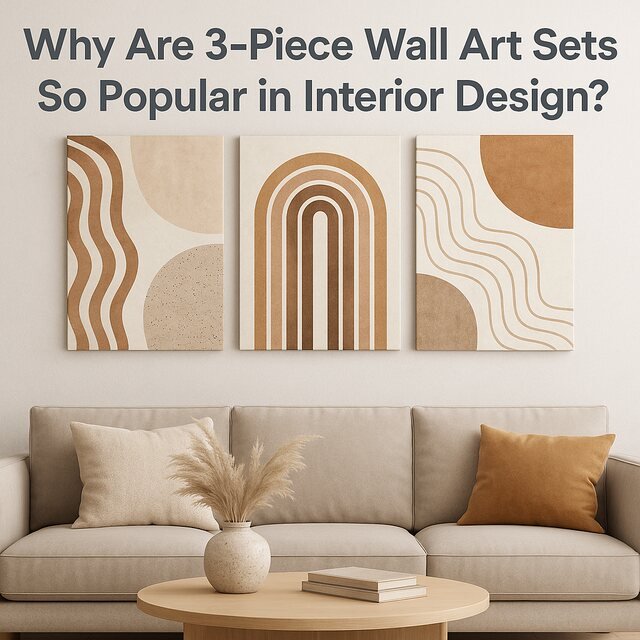
Multi-panel wall art sets are increasingly popular because they solve the challenge of decorating wide, empty wall spaces while maintaining visual rhythm and modularity. Rather than using a single oversized print that may overwhelm a space or feel static, a triptych spreads the visual impact evenly across a surface. This format adds movement and gives the illusion of scale and depth.
Triptychs also allow for customization of spacing and height. You can adapt them to fit behind sectional sofas, over large beds, or in long hallways. The segmentation helps manage visual balance, which is especially helpful in open-concept or asymmetrical rooms.
Where Can I Buy High-quality Wall Art by Material and Format?
When shopping, consider not just visual style but also material quality, mounting hardware, customization options, and finish variety. Many retailers specialize in specific materials and offer made-to-order pieces, allowing greater personalization.
Art Type Top Retailers & Features
| Canvas | iCanvas (custom sizes), CanvasPop (gallery wraps), Saatchi Art (original artist work) |
| Metal | Aluminyze (dye-sublimation), Fracture (glass-like metal), BayPhoto (brushed metal finishes) |
| Triptych | Wayfair (budget options), Ready2HangArt (pre-aligned sets), Society6 (artist collabs) |
Look for vendors offering high-resolution printing, UV protection, and solid return policies. Check material specs and reviews to verify long-term quality.
How Do Canvas and Metal Wall Art Compare in Terms of Cost and Maintenance?
Cost and care are crucial in long-term art planning. Metal wall art costs more initially but requires less maintenance and lasts longer. Canvas is cheaper but demands more upkeep in sensitive environments.
Cost and Maintenance Comparison Table
What Type of Wall Art Works Best for Gallery or Feature Walls?

Gallery walls benefit from variation and cohesion. A well-styled gallery mixes different sizes, materials, and textures while maintaining a unified theme. Metal pieces can serve as focal highlights, canvas offers neutral balance, and triptychs can act as symmetry anchors.
Use repetition in frame shape, subject matter, or color palette to maintain harmony. Keep spacing consistent and vary vertical levels for visual interest.
How Does Lighting Affect Canvas and Metal Wall Art Differently?
Canvas and metal respond differently to light, and understanding this helps you enhance or soften their effect.
Canvas absorbs light, providing a muted, relaxed appearance. It works best in indirect or soft lighting conditions.
Metal reflects and amplifies light. Positioning near a window or under spotlighting makes the colors and details pop, though it may produce glare.
Select lighting based on the mood you want to evoke: calm and grounded (canvas) or vivid and energized (metal).
Can I Display Both Canvas and Metal Art in the Same Room or Wall?
Yes, Combining Materials Creates a Layered, Gallery-like Effect. Ensure Visual Unity by:
- Keeping a consistent color story
- Matching overall frame thickness or edge depth
- Using a grid or salon-style layout with balanced visual weight
This approach works well on large walls where variation enhances the visual journey from one piece to the next.
How Do Framing and Mounting Differ Across Canvas, Metal, and 3-piece Wall Art?
Each Format Requires Different Mounting Techniques:
- Canvas: Typically hung via sawtooth hangers or wires. Can be framed or gallery-wrapped. Lightweight and easy to shift.
- Metal: Uses rear float mounts, standoffs, or cleats. Often frameless and heavier. Requires wall anchors.
- Triptychs: Must be aligned perfectly. Use painter’s tape and a level to mark positions. Measure equal spacing (1.5–3 inches).
Consider wall material (drywall vs brick) and art weight when selecting mounting hardware.
Conclusion
Canvas, metal, and triptych wall art formats serve different design, environmental, and emotional functions. Canvas invites warmth and texture into cozy environments. Metal stands out for its durability and visual sharpness, excelling in modern, light-filled spaces. Triptychs structure space and guide attention across a layout, providing scalable impact without overwhelming the room. By understanding the strengths and best uses of each material, homeowners can create visually balanced, emotionally resonant, and practically sustainable art arrangements.
FAQ’s
Canvas works well in dim or softly lit rooms with warm tones. Metal adds brilliance and contrast in bright, modern spaces.
Triptychs remain stylish and functional, especially for large or wide walls needing visual rhythm and structure.
Start with the center panel at eye level. Use a level, painter’s tape, and spacing of 1.5 to 3 inches between each panel.
Yes. Stick to a consistent theme or palette. Use metal for reflective highlights and canvas for soft texture balance.
Metal is durable, water- and fade-resistant. Canvas is softer and more affordable but requires more care and is less moisture tolerant.
Canvas is budget-friendly ($50–$150 mid-size). Metal is premium-priced ($100–$250) but offers long-term value.
Metal is highly durable in humidity, making it ideal for bathrooms, kitchens, and coastal homes.
Use balance and consistency. Mix canvas and metal with even spacing, a shared theme, and a strong central piece for visual cohesion.


