How to Compost at Home: A Complete Guide to Creating Natural Compost from Kitchen and Garden Waste
How to compost at home allows households to transform everyday organic waste into nutrient-rich compost that improves soil health, supports plant growth, and reduces the amount of waste sent to landfills. Home composting uses natural decomposition processes involving food scraps, yard materials, microorganisms, moisture, and oxygen.
Gather Required Composting Materials
Start home composting by collecting the right combination of organic materials. A successful compost pile requires a balance between carbon-rich materials, commonly called brown materials, and nitrogen-rich materials, known as green materials. These ingredients provide energy and nutrients for microorganisms that break down organic matter.
Brown materials include dry leaves, cardboard, paper, untreated wood chips, straw, and sawdust. These materials add carbon, create airflow, and prevent compost from becoming too wet. Green materials include vegetable scraps, fruit peels, coffee grounds, grass clippings, and fresh plant waste. These ingredients provide nitrogen that supports microbial activity and faster decomposition.
The quality of compost depends on the type of materials added. Avoid adding meat, dairy products, oily foods, diseased plants, chemical-treated wood, and pet waste because these materials can attract pests, create unpleasant odors, or introduce harmful organisms.
| Compost Material Category | Examples | Main Function |
| Brown materials | Dry leaves, cardboard, straw, paper | Supply carbon and improve structure |
| Green materials | Food scraps, grass clippings, coffee grounds | Supply nitrogen for decomposition |
| Moisture sources | Water, fresh vegetables, fruit waste | Support microbial activity |
| Aeration materials | Twigs, wood chips, shredded cardboard | Improve oxygen circulation |
A household compost system works best when materials are added regularly rather than all at once. Small pieces decompose faster because microorganisms can access more surface area. Shredding leaves, cutting food scraps, and breaking cardboard into smaller pieces can significantly improve composting speed.
Choose the Right Composting Method
Select a composting method based on available space, climate, and household needs. Outdoor compost bins, compost tumblers, worm composting systems, and trench composting are common options for home gardeners. Each method manages organic waste differently while producing usable compost.
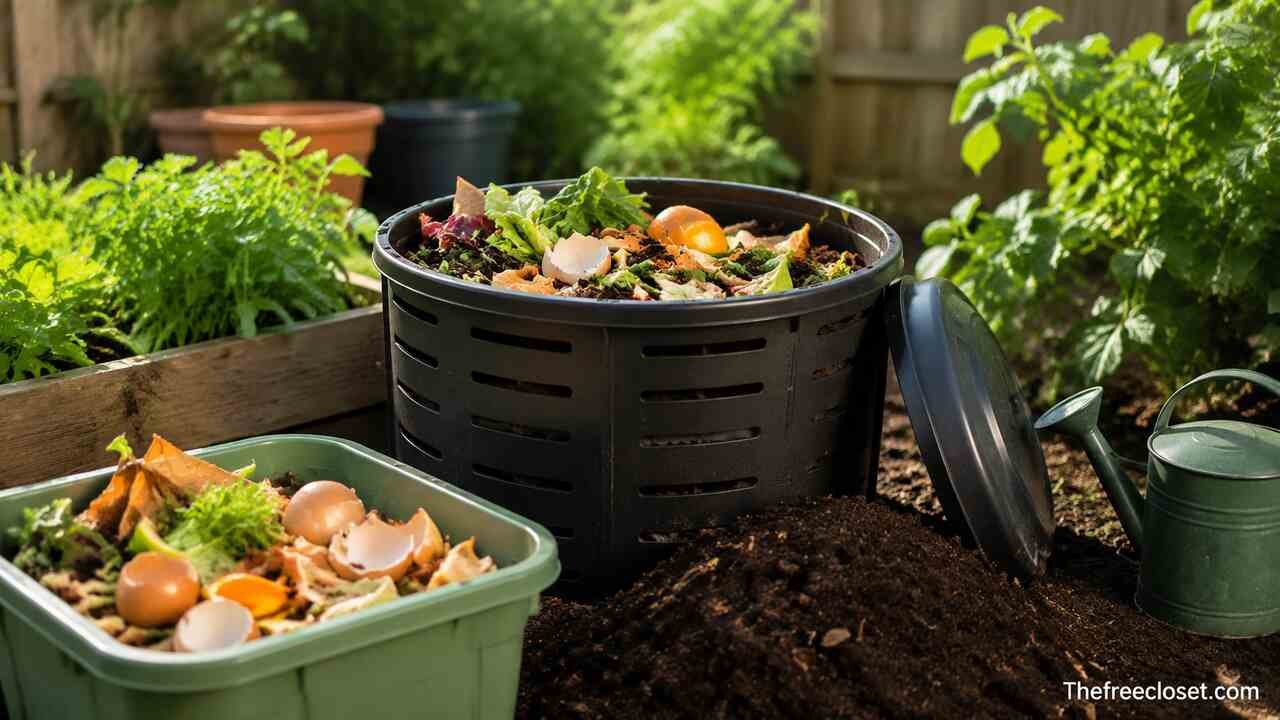
A backyard compost pile is suitable for homes with garden space because it allows large amounts of organic material to decompose naturally. Compost bins contain the materials while helping maintain moisture and temperature. Compost tumblers are enclosed containers that make turning easier and reduce exposure to pests.
For homes with limited outdoor space, vermicomposting uses composting worms such as red wigglers to process food scraps. Worm bins work well in apartments, balconies, and small gardens because they require little space and produce nutrient-rich worm castings.
| Composting Method | Best Location | Advantages |
| Compost pile | Backyard | Handles large amounts of waste |
| Compost bin | Garden area | Organized and protected system |
| Compost tumbler | Small outdoor spaces | Easy turning and maintenance |
| Vermicomposting | Indoor or balcony areas | Suitable for limited space |
The chosen method should match the amount of organic waste produced. A family producing many food scraps may need a larger outdoor system, while an individual living in an apartment may benefit from a small worm bin or countertop compost collection system.
Prepare the Composting Location
Choose a suitable location before building a compost system. The ideal composting area provides partial sunlight, good drainage, and easy access for adding materials and removing finished compost. A location near the garden can make transferring compost easier.
The composting site should sit directly on soil when possible because beneficial insects, worms, and microorganisms can move between the ground and compost pile. Placing compost on concrete or sealed surfaces may limit natural biological activity and prevent drainage.
Consider environmental conditions when preparing the area. Too much sunlight can dry compost quickly, while excessive shade may slow decomposition by keeping the pile too cool. A balance of sunlight and protection from extreme weather creates better composting conditions.
Build the Compost Pile Correctly
Create a balanced compost pile by layering different materials. A strong foundation usually includes coarse brown materials such as small branches or straw because they improve airflow at the bottom. Additional layers of green and brown materials create a balanced environment for decomposition.
A common approach is adding two to three parts brown materials for every one part green material. This carbon-to-nitrogen balance helps microorganisms break down waste efficiently. A compost pile that contains too many green materials may become wet and produce odors, while excessive brown materials may slow decomposition.
The size of the compost pile also affects performance. A pile that is too small may not generate enough heat, while an extremely large pile can become difficult to manage. Many home compost systems work effectively when the pile is approximately one cubic meter in size.
Maintain Proper Moisture and Airflow
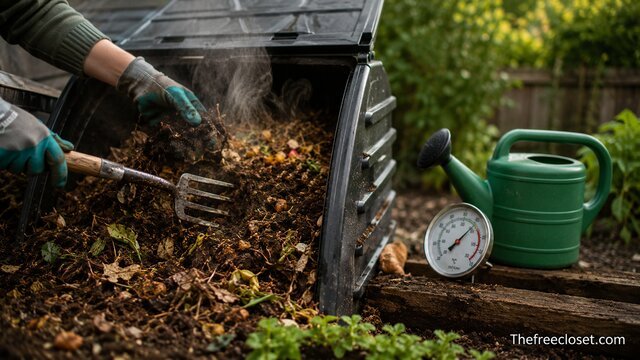
Maintain moisture levels to keep microorganisms active throughout the composting process. Compost should feel similar to a damp sponge. If the pile becomes too dry, decomposition slows because microorganisms cannot function effectively. If it becomes too wet, oxygen decreases and unpleasant smells may develop.
Turn the compost regularly to introduce oxygen and distribute moisture. Aerobic microorganisms require oxygen to break down organic materials efficiently. Turning can be done with a compost fork, shovel, or compost tumbler mechanism.
Temperature also provides information about compost activity. A warm compost pile indicates active decomposition, while a cold pile may require more green materials, moisture, or turning. Monitoring these conditions helps maintain a healthy compost environment.
Add Kitchen Waste Properly
Manage kitchen waste carefully to prevent common composting problems. Vegetable scraps, fruit peels, coffee grounds, tea leaves, and crushed eggshells are excellent additions because they break down easily and contribute valuable nutrients.
Cover fresh food scraps with a layer of brown material after adding them to the compost pile. This practice reduces odors, discourages insects, and maintains the carbon balance. Chopping large food pieces into smaller sections also improves decomposition speed.
Kitchen composting works best when households separate organic waste before disposal. A dedicated container in the kitchen allows easy collection of compostable materials and reduces the amount of biodegradable waste entering garbage systems.
Monitor Compost Decomposition Progress
Check compost regularly to ensure the decomposition process is working properly. Finished compost usually appears dark brown or black, has an earthy smell, and contains a crumbly texture. The original materials should no longer be easily recognizable.
The decomposition timeline depends on materials, climate, moisture, and maintenance. Active compost systems may produce usable compost within several months, while neglected piles may take a year or longer. Frequent turning and proper material balance generally accelerate the process.
Common signs of problems include bad odors, excessive moisture, dryness, or slow breakdown. These issues can usually be corrected by adjusting ingredients, improving airflow, or adding water.
Harvest and Use Finished Compost
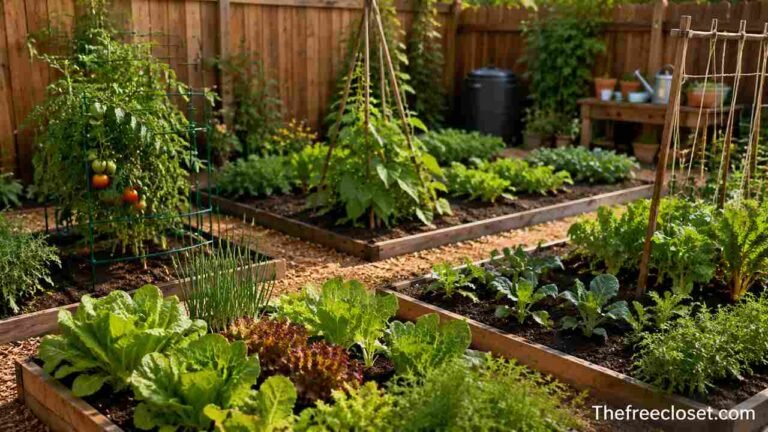
Collect finished compost when the material has fully decomposed. Separate unfinished materials and return them to the active compost pile. The completed compost can be mixed into garden soil, added around plants, or used as a natural soil amendment.
Compost improves soil structure by increasing water retention, supporting beneficial microorganisms, and providing slow-release nutrients. Garden plants often benefit from compost because it creates healthier growing conditions without relying entirely on synthetic fertilizers.
Different plants require different compost applications. Vegetables, flowers, trees, lawns, and indoor plants can all benefit from compost when it is applied appropriately.
| Garden Use | Compost Application |
| Vegetable gardens | Mix compost into planting beds |
| Flower gardens | Add compost around plants |
| Lawns | Apply thin compost layer as soil conditioner |
| Container plants | Combine compost with potting soil |
Using finished compost completes the recycling cycle by returning household organic materials back into the environment. This process reduces waste while improving gardens naturally.
Troubleshoot Common Composting Problems
Solve composting problems by identifying the cause and adjusting the system. A bad smell usually indicates insufficient oxygen or too much nitrogen-rich material. Adding dry leaves, shredded cardboard, or turning the pile can restore balance.
Slow decomposition may happen because of poor moisture levels, incorrect material ratios, or insufficient aeration. Adding fresh green materials, watering a dry pile, or turning compacted compost can restart microbial activity.
Pests often appear when food waste is exposed or unsuitable materials are added. Covering scraps, maintaining proper layers, and avoiding meat or dairy products help prevent unwanted animals and insects.
Reduce Household Waste Through Composting
Home composting creates an effective method for managing organic waste while supporting environmental sustainability. Food scraps and garden waste make up a significant portion of household waste streams, and composting prevents these materials from being discarded unnecessarily.
The environmental benefits of composting extend beyond waste reduction. Composting supports healthier soils, reduces dependence on chemical fertilizers, and helps maintain natural nutrient cycles. Gardeners also save money by producing their own soil improvement material.
A consistent composting routine turns everyday household habits into an environmentally responsible practice. Even small compost systems can create meaningful results when maintained properly.
Conclusion
Learning how to compost at home provides a practical way to recycle organic waste, improve soil quality, and support healthier plants. Successful composting depends on selecting the right method, balancing green and brown materials, maintaining moisture and airflow, and allowing microorganisms to naturally transform waste into valuable compost. Whether using a backyard pile, compost bin, tumbler, or worm system, home composting makes sustainable living accessible while creating a natural resource for gardens and landscapes.
Discover the latest fashion trends, home ideas, travel tips, and lifestyle inspiration at thefreecloset.com.
FAQ’s
Home compost usually takes between three months and one year to become ready. The timeline depends on material balance, moisture, temperature, and how often the pile is turned.
Yes, indoor composting is possible through methods such as vermicomposting and specialized compost containers. These systems work well for apartments and homes without outdoor space.
Avoid adding meat, dairy products, oily foods, bones, and heavily processed foods. These materials can create odors, attract pests, and slow decomposition.
Turning compost every one to two weeks helps provide oxygen and speeds up decomposition. Less frequent turning will still produce compost but may take longer.
Bad smells usually occur because the compost lacks oxygen or contains too much wet green material. Adding dry brown materials and turning the pile can correct the problem.
Compost improves soil and provides nutrients, but it may not completely replace fertilizer for every plant. Many gardeners use compost as part of a balanced soil management approach.