


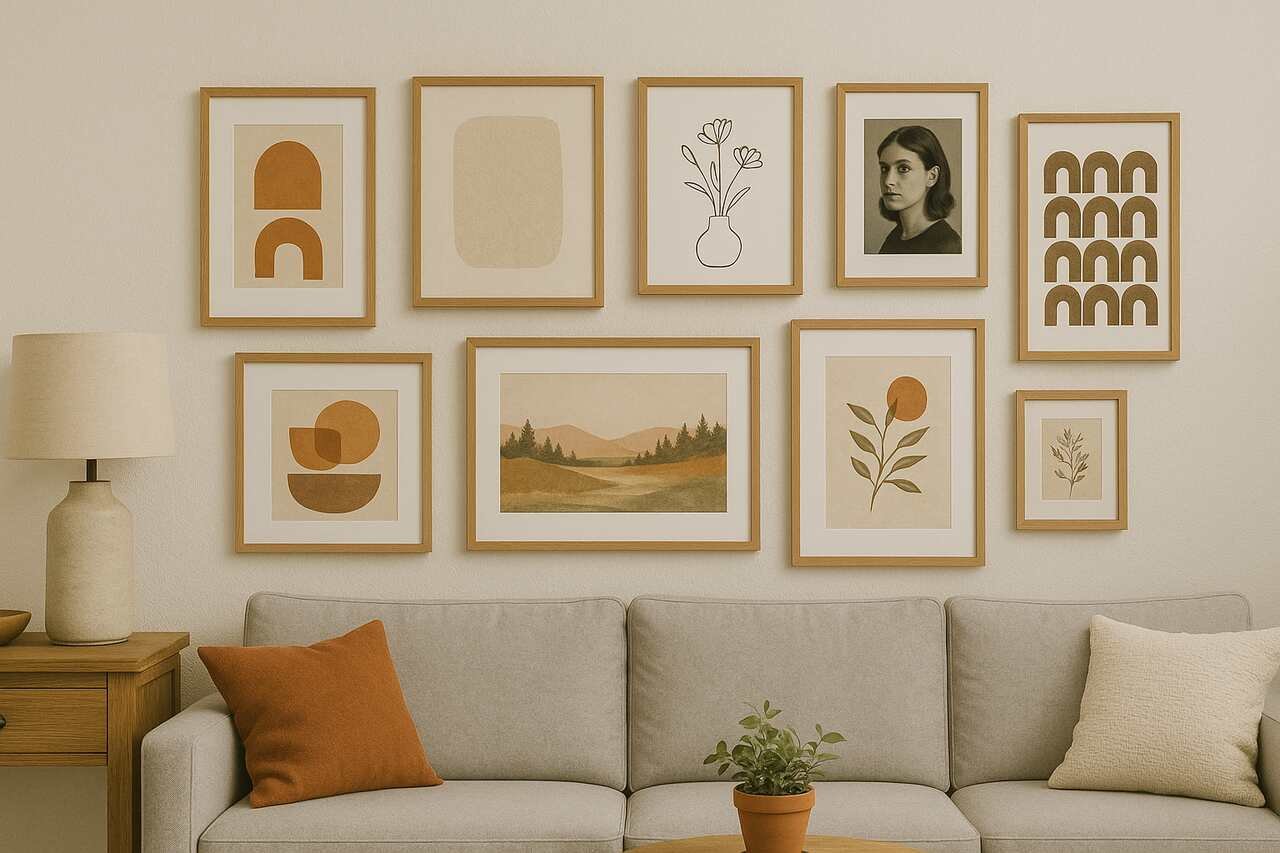
Gallery walls have become a central design element because they merge personality with structure. A living room gallery wall can serve as a storytelling device, displaying everything from treasured family photos to curated art collections. When designed thoughtfully, they create visual harmony that enhances the entire room. Unlike single artworks, gallery walls encourage layering, rhythm, and the blending of different design elements for a personalized yet cohesive aesthetic.
What are the most popular layout styles for living room gallery walls?
Layout determines whether a gallery wall feels ordered, eclectic, or balanced. Understanding different styles helps homeowners choose the right visual rhythm for their room.
Grid Layouts

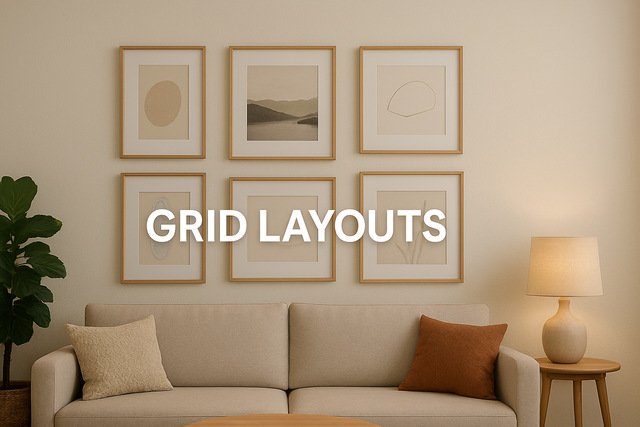
Grid layouts consist of identical or evenly sized frames hung in straight rows and columns. The order and repetition project calmness and modernity. They work well in spaces where minimalism is valued and where the furniture is structured, such as a sectional sofa or console table. The uniformity ensures no single piece dominates but instead, the collection functions as one unit.
Salon-Style Layouts
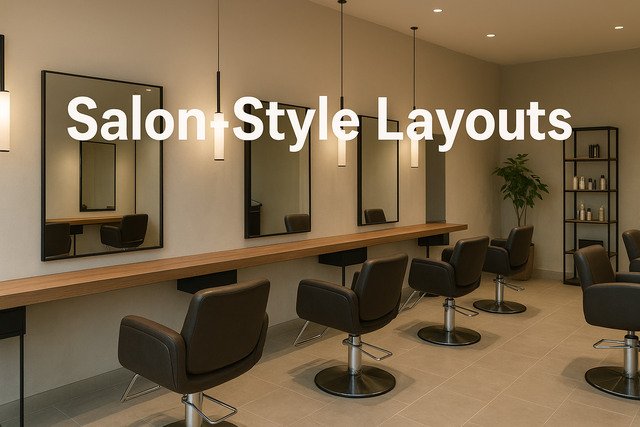
Salon-style layouts are inspired by historic art exhibitions where walls were filled floor-to-ceiling with diverse artworks. In modern living rooms, this means mixing different frame sizes, orientations, and art types. This arrangement feels eclectic and dynamic but requires a central focal piece to keep it grounded. Without an anchor, the wall risks feeling chaotic.
Linear Rows

Linear layouts line up frames in one or two straight horizontal or vertical rows. They create rhythm without overwhelming the wall. Horizontal rows complement wide furniture, while vertical arrangements elongate a space, making ceilings appear taller. They are effective for smaller rooms because they maintain order while using minimal visual real estate.
Stair-Step Layouts
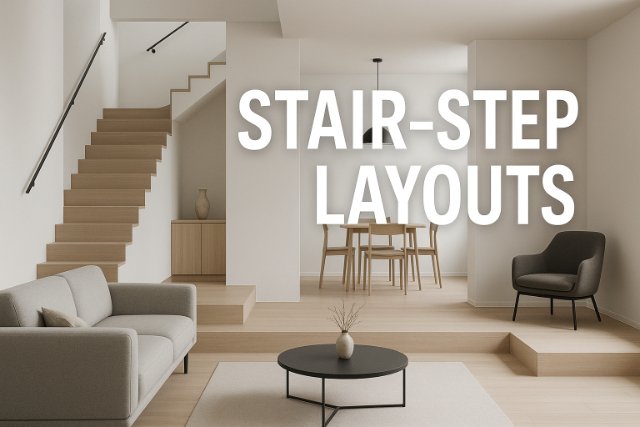
Stair-step layouts follow the angle of a staircase or ceiling slope. These arrangements are practical in transitional areas and guide the viewer’s eye along the wall’s natural architecture. They add movement and continuity to spaces that would otherwise feel empty.
Cluster Layouts

Cluster arrangements place frames close together in tight, asymmetrical groups. They maximize impact in compact areas by focusing energy into a concentrated zone. This style works well in apartments or small living rooms where wall space is limited but impact is desired.
How can you mix different art types, paintings, photos, prints, harmoniously?
A gallery wall succeeds when varied content feels intentional rather than mismatched. Harmony is achieved through repetition, unifying choices, and careful balance.
Unify Through Frame Style
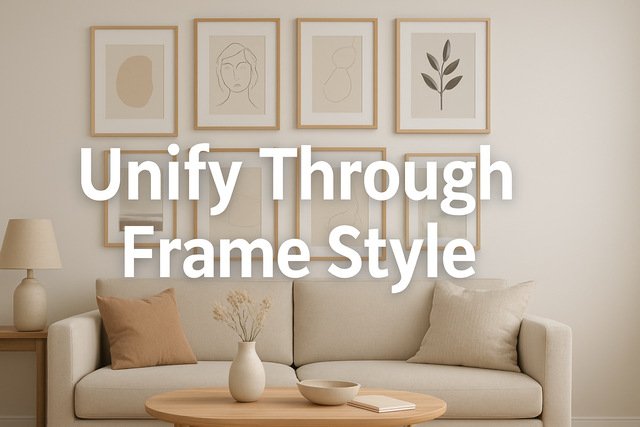
Even when art styles differ, consistent frame finishes unify the wall. Black, white, or wooden frames provide a thread that ties different mediums together.
Use Matting to Create Space

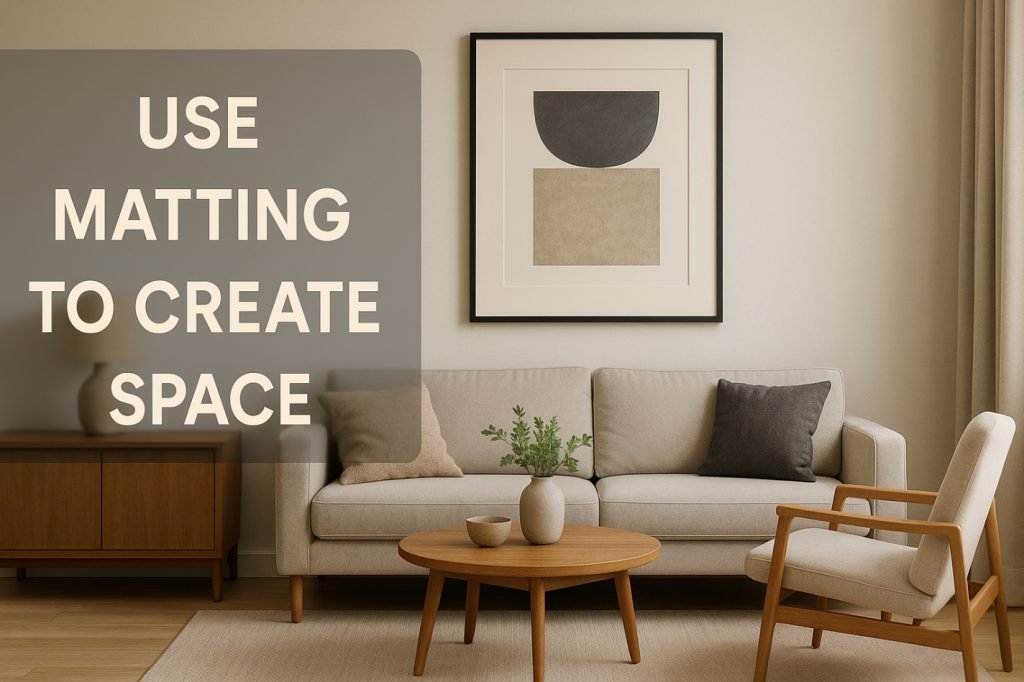
Matting ensures that each artwork has its own breathing room. White mats, float mounts, or thick borders elevate smaller artworks and make them feel as significant as larger ones. This creates balance within the grouping.
Color Palette Coordination
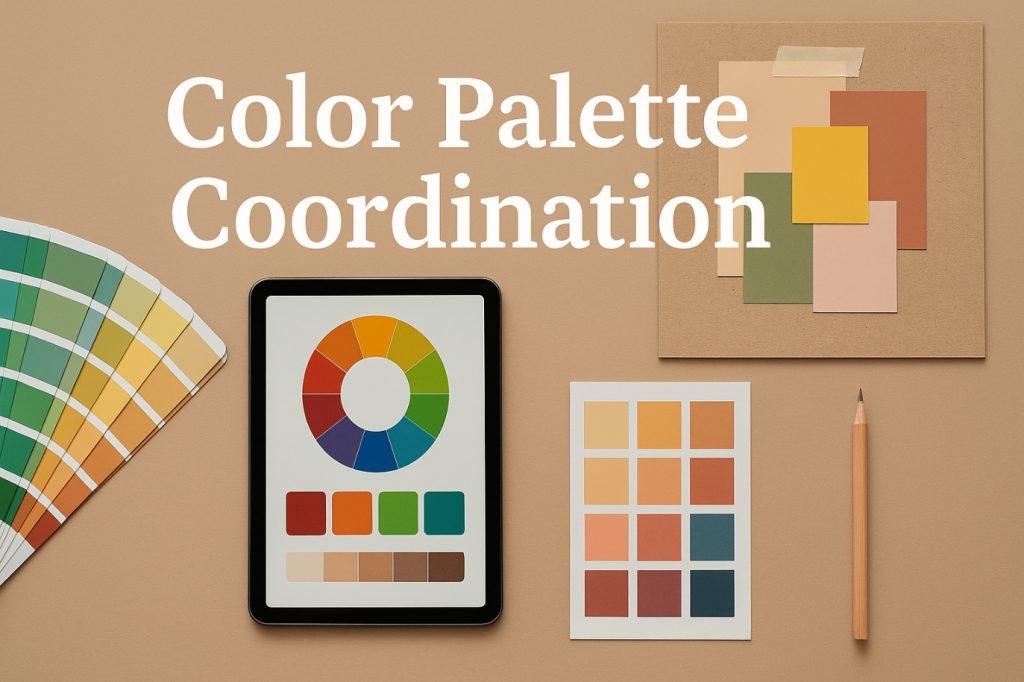
Restricting the gallery wall to a limited palette ensures cohesion. For example, using artworks that share earthy tones or a monochrome scheme avoids visual dissonance.
Theme Consistency


Themes—such as travel photography, botanical prints, or abstract studies—help connect diverse mediums. A consistent subject ensures that paintings, photos, and prints reinforce one another instead of competing.
Why does the spacing and alignment matter so much?
Spacing and alignment transform scattered frames into a curated display. Inconsistent gaps create distraction, while thoughtful spacing ensures a flow that guides the eye naturally.
How much space should you leave between frames?
The standard guideline is 2–3 inches between frames for most living rooms. Smaller rooms may benefit from closer spacing of 1.5 inches to create cohesion, while larger walls look better with 4–5 inches of space to avoid crowding.
How high should a gallery wall start?
The midpoint of the arrangement should be at eye level, around 57–60 inches from the floor. When placing art above furniture, leave 6–8 inches of space above the top of the furniture. This keeps the display visually connected without appearing cramped.
Should gallery walls align by top, bottom, or centre?
Alignment depends on layout. Grid walls often align at the top or bottom, while salon-style walls benefit from centering around one focal piece. Consistency is the key regardless of method.
What wall color works best behind a gallery wall?
The wall color creates a backdrop that either amplifies or mutes the impact of the gallery wall.
- White walls offer neutrality and make colorful or varied artworks stand out.
- Dark walls like navy or charcoal create dramatic contrast and work best with light-colored frames.
- Muted neutrals like beige or gray blend seamlessly with natural wood frames and soft art palettes.
- Wallpapered or textured walls add depth, but the pattern must be subtle enough not to compete with the artwork.
How to choose a focal piece in a mixed gallery display?
The focal piece anchors the wall and prevents it from feeling random. This piece is often larger, more colorful, or more detailed than the surrounding artworks.
- Select one statement piece to ground the arrangement.
- Place it near the center at eye level.
- Build smaller artworks around it in symmetrical or balanced clusters.
Without a focal point, gallery walls risk becoming visually overwhelming and directionless.
Where can you buy affordable frames that look high-end?
Frames dictate whether a gallery wall looks cohesive and polished or mismatched. Affordable retailers provide stylish options that mimic custom framing.
- IKEA: Clean designs and multipacks ideal for beginners.
- Target/Walmart: Trendy seasonal styles with varied finishes.
- Michaels: Frequent discounts on frames with mats.
- Amazon: Bulk frame packs for large-scale projects.
- Wayfair: Curated gallery wall sets and versatile options.
What should you budget for framing and print preparation?
Budgeting depends on frame quality and whether art preservation is a priority.
| Frame Type | Average Price | Use Case |
| Budget Retailers | $10–$30 | Starter projects, temporary décor |
| Mid-Range | $40–$100 | Long-lasting décor with UV-protection and mats |
| Custom Framing | $150–$400+ | High-value art, museum-quality preservation |
For a gallery wall of 6–8 pieces, expect to spend $200–$500 on mid-range framing. This balance provides longevity and visual quality without exceeding budget.
What are the pros and cons of salon-style versus grid layouts?
| Style | Pros | Cons |
| Salon-Style | Dynamic, eclectic, expressive; suits varied art | Risk of visual chaos without strong anchor piece |
| Grid Layout | Symmetrical, calm, modern; easy to align | Requires matching frames; less expressive |
Which online frame retailer has the best reputation for durability and delivery?
- Framebridge offers custom sizes, archival-quality materials, and excellent delivery.
- Artifact Uprising specializes in eco-conscious frames and sustainable materials.
- Wayfair provides affordable frames in sets for large walls.
- Amazon bulk frames allow budget-friendly projects, though quality can vary.
How do gallery walls compare to single large canvases in visual impact?
- Gallery walls: Encourage personal storytelling, variety, and adaptability over time.
- Single large canvases: Provide bold drama and simplicity, perfect for minimalist spaces.
The decision depends on whether you want variety and layering (gallery walls) or a clean, singular focal point (large canvas).
Which interior designers or blogs offer ready-made gallery wall templates?
Design blogs like Studio McGee, Chris Loves Julia, and Better Homes & Gardens publish inspiration and layout templates. Retailers like West Elm and Pottery Barn sell pre-curated gallery kits, making the process easier for beginners.
What tools or apps help mock up gallery walls before hanging?
Augmented Reality Apps
Apps like Artfully Walls and Wayfair Room Planner allow you to preview art virtually in your own space, ensuring correct proportions.
Digital Mockups
Graphic tools such as Canva or Photoshop allow digital layout planning. Pinterest provides downloadable templates to cut out and tape on walls.
Physical Planning
Painter’s tape or kraft paper cutouts help visualize the arrangement at true scale before drilling holes.
Additional Styling Tips for Living Room Gallery Walls
Mix Frame Materials
Blend different finishes such as wood, metal, and acrylic for depth. Limit to two finishes to avoid disorganization.
Add Wall Lighting
Picture lights, sconces, or LED track lights add depth and highlight key pieces, transforming the wall into a focal point.
Incorporate Shelves or Ledges
Narrow ledges allow frames, books, and objects to be layered. They add functionality and enable easy swapping.
Rotate Seasonally
Refreshing artwork seasonally keeps the gallery dynamic. Picture ledges or lightweight frames make swaps simple.
FAQ’s
Choose frames that collectively span 60–75% of the furniture width below them.
Plan with painter’s tape, and use adhesive strips or hanging rails for minimal damage.
Dust gently with microfiber cloths, avoid direct sunlight, and use UV glass for preservation.
Yes. Picture ledges and removable hooks are best for frequent updates.
Yes. Use consistent frame styles or matting to unify the look.
Maintain 6–8 inches of space between the sofa and the lowest frame.
Templates ensure structure and symmetry; free-spacing works best for experienced designers.
Yes, washi tape is excellent for mapping placement, though it cannot bear weight.


