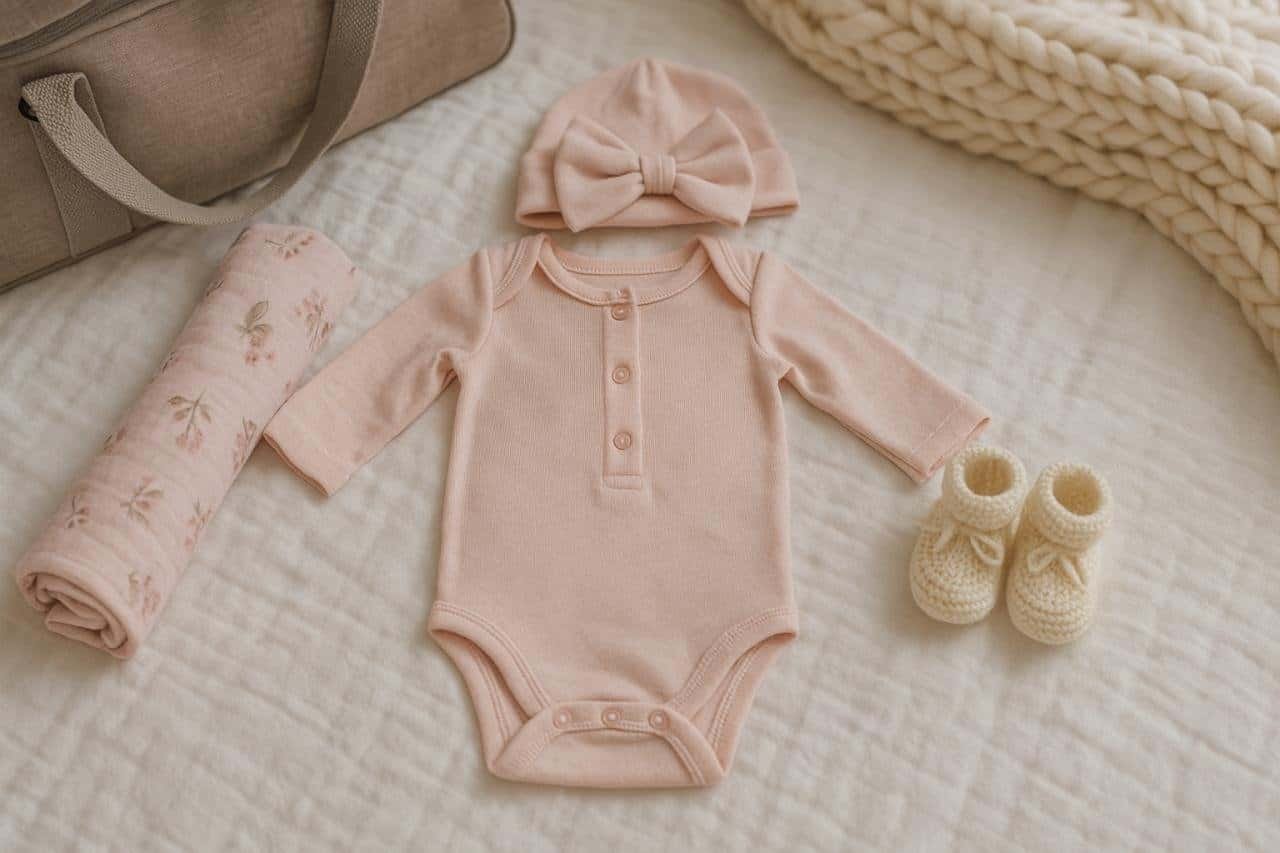
Highlights
- Learn how to choose a newborn going home outfit for a girl with comfort, safety, and seasonal needs in mind.
- Discover fabric types, outfit combinations, and size considerations that actually matter in real life.
- Get practical guidance on preparing the outfit, packing the hospital bag, customizing the look, and capturing memorable photos.
- Understand what accessories are useful and which ones only get in the way.
- Benefit from my personal experience as I share what I did when choosing the first outfit for my own baby.
Choosing a newborn going home outfit for a girl is one of the sweetest and most emotional tasks for new parents. It represents the first moment you take your daughter into the world, and that tiny outfit becomes part of a memory you will keep forever. When I chose my own daughter’s outfit, I realized how many details mattered more than I originally thought. From fabric softness to weather conditions, every part affected her comfort and the simplicity of the transition from hospital to home. This guide helps you decide with confidence so you can enjoy the moment rather than stress over it.
Select the Right Fabrics for the Going Home Outfit
Choosing the best fabrics ensures your newborn’s comfort from the very first car ride. The outfit needs to be soft, breathable, and gentle against delicate skin. When I held different outfit options in the store, I immediately noticed how some materials felt scratchy while others felt almost cloud-like. This first impression matters because your baby will feel every texture much more intensely than you do.
Cotton remains the most reliable choice because it regulates temperature well and reduces irritation. Organic cotton is often even softer, which makes it ideal for a newborn’s first day outside the hospital. Blended fabrics can work when they remain lightweight and breathable, but always avoid heavy or rough materials. Before making a purchase, stretch the fabric slightly, feel its texture inside and out, and check for tags that might irritate.
Different fabrics behave differently depending on the weather. For colder seasons, fleece-lined cotton or ribbed knit materials keep a baby warm without overheating. For summer, muslin or lightweight cotton layers offer breathability. These small considerations create a more peaceful trip home and reduce fussiness caused by temperature discomfort.
Compare Common Fabric Types for Newborn Outfits
Cotton is ideal for almost every situation because it provides a balance of softness and durability. It absorbs moisture and allows airflow, which keeps your baby from becoming too warm or chilled. Muslin is lightweight and perfect for layered summer outfits. Knit fabrics stretch easily, making them great for snug-fitting footies or wrap-style tops. Fleece is suitable only for colder days and should never be used directly against bare skin.
Evaluate How Fabric Affects Comfort and Mobility
The stretchiness, thickness, and breathability of a fabric determine how freely your newborn can move. A fabric that feels stiff may bunch uncomfortably behind their neck or legs. Softer materials, on the other hand, mold gently to their body. I learned quickly that my baby was calmer when dressed in fabrics that moved with her rather than against her. Soft and stretchy outfits also help during diaper changes.
Choose the Correct Size for a Perfect Fit
Newborn sizing can be confusing, especially since babies vary widely in weight and length. Most newborn outfits fit babies up to around eight pounds, while size zero to three months offers a little more room. When choosing my daughter’s going home outfit, I packed both sizes because I didn’t want to risk guessing wrong. Hospitals often encourage parents to prepare similarly.
Even if you know your baby’s estimated weight, sizing may differ between brands. Some brands run small and others run large, so it is helpful to compare measurements. Think about how easy the outfit will be to put on and remove, since newborns cannot control their limbs and need gentle handling. Outfits with zippers or snap buttons make dressing smoother.
A good fit should allow your baby to stretch her legs freely without the fabric pulling at her feet or shoulders. Avoid outfits that are overly loose, as they may ride up uncomfortably or bunch under the straps of a car seat. A balanced fit provides warmth, comfort, and safe use during travel.
Understand Size Labels and Their Real Meanings
Size labels like newborn, preemie, or zero to three months do not follow universal standards. Always review the weight and length recommendations shown on clothing tags. If your doctor predicts your baby will be large, consider starting with a slightly bigger size. If your baby may be small, pack one preemie option just in case.
Evaluate Fit Based on Body Shape and Movement
Newborns have curled limbs and soft bodies that change position often. A good outfit must allow space for bending and stretching. Tight leg openings or narrow sleeves may cause discomfort. When I tested different outfits at home before my daughter was born, I found that some styles looked roomy but tightened as soon as I moved them. Testing this beforehand saves time and reduces frustration.
Prepare Weather-Suitable Clothing for Safe Travel

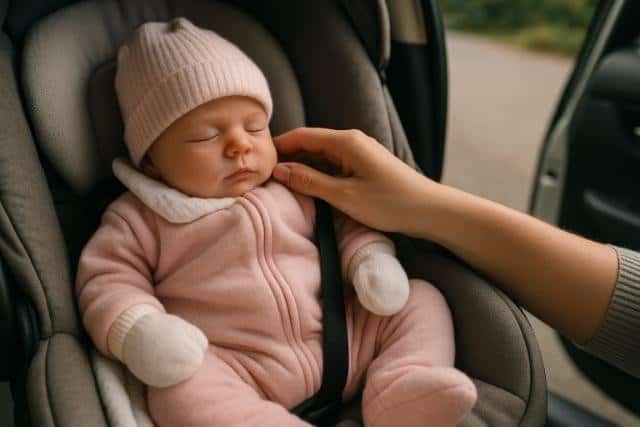
Your baby’s comfort during the trip home depends heavily on dressing her for the weather. A newborn cannot regulate body temperature effectively, so dressing them appropriately matters more than you might expect. I still remember adjusting my daughter’s layers three times before leaving the hospital because the temperature outside kept changing.
For warm climates, choose lightweight cotton bodysuits or a simple one-piece outfit. For cold climates, select a footed sleeper paired with a soft hat and mittens. Avoid overdressing, as babies can become overheated quickly. Layers work best because you can remove or add them easily, especially when entering or exiting the car.
You should always check your baby’s body temperature by touching the back of her neck. Hands and feet are often cooler naturally, which can be misleading. With the right layers, your newborn will stay safe, comfortable, and peaceful during the first journey home.
Coordinate Layers for Seasonal Needs
For winter, a warm footed sleeper, a cotton onesie underneath, and a soft cap usually suffice. A fleece bunting can be used only outside the car. For summer, a breathable one-piece with a swaddle blanket works well. For spring or fall, light layers allow quick adjustments.
Match Clothing to Car Seat Requirements
Car seat safety must come before outfit style. Thick coats or bulky suits should never be worn inside a car seat because they prevent the harness from fitting securely. Instead, dress your baby in thin but warm layers and place a blanket over the harness once fastened. This technique kept my daughter warm without compromising safety.
Pack the Outfit Correctly in Your Hospital Bag
Preparing the outfit ahead of time eliminates stress when the moment arrives. I learned quickly how chaotic the final discharge process can feel, so having the outfit neatly packed made everything smoother. Place the outfit inside a labeled bag or pouch to avoid rummaging.
Include extras such as socks, a hat, and a backup onesie in case the first one becomes soiled. A diaper and wipes should also be within reach. Fold the clothing in the order you will need it to simplify dressing. This preparation helps hospital staff assist you more efficiently.
Packing early also keeps you emotionally grounded. Knowing everything is in place helps you enjoy the moment of taking your baby home rather than scrambling to find missing items.
Organize Items by Use and Order
Pack the hat and mittens at the top, followed by the main outfit, then backup pieces. Store accessories together to avoid losing small items. This arrangement helps you dress your baby systematically and calmly.
Prepare Backup Options for Unexpected Situations
Babies sometimes spit up or soil clothes unexpectedly, especially during the first days. Pack at least two outfit choices with similar comfort qualities. When my daughter spit up right before we left, I was relieved I had packed a full replacement.
Coordinate Accessories for Comfort and Style
Accessories add charm to a newborn girl’s going home outfit, but they must also serve practical purposes. Soft hats help retain body heat, while gentle mittens prevent accidental scratching. Bows and headbands can add sweetness, though they must always be lightweight and comfortable. When choosing accessories for my daughter, I focused on soft elastic and breathable fabrics.
Avoid accessories that are too tight or heavy. Items with hard embellishments or stiff seams may create pressure marks on delicate skin. The goal is to maintain comfort while adding a personal touch. Photos from the going home moment often become cherished keepsakes, so a tasteful accessory can enhance the look.
To keep accessories from falling off, choose proper sizing. Newborn heads are small and round, so headbands should have enough stretch to stay in place gently. Mittens should slip on easily without slipping off too fast. Practicality should always remain at the center of styling.
Select Safe and Soft Headbands
Choose headbands made of gentle cotton or stretchy knit that sits lightly on the head. Avoid embellishments that could detach. Always check the fit by stretching it and placing it around your wrist first.
Choose Useful Mittens and Socks
Mittens protect your baby’s face from accidental scratches. Socks keep feet warm and help maintain body temperature. Pick options with a snug but comfortable fit, especially for car travel.
Personalize the Outfit for a Meaningful First Memory
A going home outfit can represent family traditions, cultural elements, or sentimental details. Some parents choose outfits passed down from relatives. Others purchase custom designs with names or initials. When I personalized my daughter’s outfit, I felt an emotional connection because it symbolized the beginning of her story.
Personalized outfits can include embroidered monograms, custom prints, or unique patterns. Choose designs that do not compromise softness or comfort. Keep personalization subtle and gentle since newborn skin is sensitive to rough stitching. You can also pair the outfit with a matching blanket for a cohesive look.
These meaningful touches make the moment special in photos and family albums. They also provide a sense of belonging and connection. When you look back years later, the personalized outfit becomes a reminder of your baby’s first day in the world.
Add Custom Text or Initials Gently
Opt for soft embroidery or printed letters rather than stiff patches. Ensure the inside of the garment remains smooth. A small monogram on the chest or foot makes the outfit unique without overwhelming the design.
Include Family or Cultural Elements
Some families use patterns, colors, or motifs tied to their heritage. These additions deepen the emotional value of the outfit and connect your baby to family history.
Capture Memorable Homecoming Photos with the Outfit

The going home moment is one you will want to remember. A thoughtfully chosen outfit helps create beautiful and natural photos. When I took pictures of my daughter, I paid attention to lighting, positioning, and comfort. Babies photograph best in soft daylight, so try to take photos near a window or outside before entering the car.
Consider using a simple background such as a neutral blanket or the hospital bassinet. This keeps the focus on your baby. Avoid overwhelming props. A newborn’s natural presence already creates the most meaningful images. Capture a mixture of close-up details and full-body shots.
Take your time and enjoy the process. The goal is not to take perfect photos but to preserve the feeling of the moment. These early images often become some of the most treasured memories.
Use Natural Lighting for the Best Results
Sunlight provides a soft glow that highlights the outfit’s texture and your baby’s features. Position your baby at an angle where light falls gently across the face. Avoid harsh overhead lights that cast shadows.
Capture Detail Shots for Lasting Memories
Photograph small elements such as tiny hands gripping the blanket, knitted patterns on the outfit, or the softness of a headband. These details bring emotional depth to your keepsakes.
Recommended Outfit Choices by Season
| Season | Ideal Outfit | Additional Items |
| Summer | Lightweight cotton one-piece | Soft hat, muslin blanket |
| Winter | Footed sleeper with inner layer | Warm hat, mittens, fleece bunting for outdoors |
| Fall | Long sleeve bodysuit with pants | Light hat, knit socks |
| Spring | Soft romper with cardigan | Thin blanket, soft headband |
Key Features to Check Before Choosing the Outfit
| Feature | What to Look For | Why It Matters |
| Fabric | Soft cotton or breathable knit | Prevents irritation |
| Size | Fits snugly without tightness | Supports comfort and mobility |
| Closures | Zippers or snaps | Makes dressing easier |
| Weight | Light to moderate | Helps regulate temperature |
Conclusion
Choosing a newborn going home outfit for a girl is a heartfelt decision filled with joy, anticipation, and meaning. The right outfit balances comfort, practicality, beauty, and emotional value. When I chose my daughter’s first outfit, I realized that every detail contributed to a peaceful homecoming. By selecting soft fabrics, proper sizing, thoughtful accessories, and weather-appropriate layers, you can create the perfect first wardrobe moment. Let the outfit reflect love, preparedness, and the excitement of welcoming your baby into the world for the first time.
FAQ’s
Pack at least two. Babies can soil clothes unexpectedly, and having a backup prevents stress during discharge.
Shoes are not necessary. Soft socks or footed sleepers provide enough warmth and comfort.
Yes, but pair it with bloomers or leggings to keep your baby warm and comfortable in the car seat.
Choose thin, soft layers that allow the harness to secure properly. Avoid bulky coats or thick padded suits.
Yes, as long as the material inside remains smooth and comfortable with no rough stitching.
Most parents purchase it during the second or third trimester to ensure it is ready for the hospital bag.