


Introduction
The home inspection cost represents more than a simple service fee it’s an investment in confidence, safety, and negotiation power. Whether you’re buying, selling, or maintaining a property, understanding what drives inspection pricing helps you plan your budget and avoid costly surprises. The expense can vary dramatically depending on property size, region, inspector expertise, and optional add-ons such as mold or termite testing. This guide explores every dimension of home inspection cost from averages and influencing factors to budgeting tips, myths, and international comparisons helping you make smarter, more informed decisions.
What Does a Home Inspection Cost on Average?
Across the United States, a standard home inspection typically ranges between $200 and $500. This fee covers a professional assessment of the property’s structure, systems, and safety components. The inspector evaluates everything from the roof to the foundation, checking electrical wiring, plumbing, HVAC systems, insulation, and visible defects.
While this average provides a benchmark, prices often vary by region and market conditions. Metropolitan areas like San Francisco, Boston, or Seattle tend to command higher inspection fees sometimes reaching $600 or more while smaller towns or rural communities may fall closer to the $250 range.
| Region | Average Inspection Cost (USD) | Notes |
| Northeast | $400 – $550 | Older homes, complex architecture |
| Midwest | $300 – $450 | Lower housing costs, smaller footprints |
| South | $250 – $400 | Moderate labor costs |
| West Coast | $400 – $650 | High demand, specialized services |
| Rural Areas | $200 – $300 | Less competition, smaller properties |
How Do U.S. National Averages Compare Across Regions?
Regional cost variations largely depend on labor rates, property age, and inspection standards. For instance, homes in hurricane-prone coastal regions may require additional roof and flood assessments, while colder northern states might need detailed insulation or basement moisture evaluations. Local regulations and licensing requirements can also influence pricing states like New York or California enforce stricter certification standards that elevate service fees.
What Factors Influence the Cost of a Home Inspection?
Several tangible factors directly affect what you’ll pay for a home inspection. Understanding these can help you anticipate costs and evaluate quotes more effectively.
- Home Size and Complexity: Larger homes with more rooms and multiple systems (HVAC, electrical panels, plumbing lines) demand longer inspection times.
- Home Age and Condition: Older properties often need closer scrutiny for foundation settling, outdated wiring, and aging roofs.
- Location and Accessibility: Urban centers may have higher rates due to cost of living, while rural properties may incur travel surcharges.
- Inspector Experience and Certification: Certified inspectors or those with specialized licenses generally charge higher fees.
- Additional Services: Optional add-ons such as radon, termite, or sewer-scope tests increase the total bill.
How Does Square Footage or Number of Rooms Affect Pricing?
A clear correlation exists between square footage and inspection cost. For instance:
| Home Size | Estimated Cost Range |
| Under 1,000 sq. ft. | $200 – $275 |
| 1,000–2,000 sq. ft. | $300 – $400 |
| 2,000–3,000 sq. ft. | $400 – $550 |
| 3,000+ sq. ft. | $550 – $700+ |
Multi-unit homes, duplexes, or properties with accessory dwelling units (ADUs) often require additional per-unit fees, reflecting the increased inspection scope.
How Do Certification, Reputation, and Travel Distance Impact Cost?
Inspectors certified by organizations such as ASHI (American Society of Home Inspectors) or InterNACHI often command higher rates justified by training, insurance coverage, and advanced reporting tools. Some inspectors also factor travel distance into their pricing. Remote properties or those outside major metro areas might incur additional $25–$75 travel fees.
What Additional Inspections or Add-Ons Increase the Cost?
Additional inspections or add-on services can significantly increase the total cost of a home inspection because they go beyond the standard structural and system evaluation. A basic inspection typically covers visible components like the roof, foundation, plumbing, electrical, and HVAC systems. However, certain hidden issues such as pests, moisture, or environmental hazards require specialized testing performed with dedicated tools and certifications.
Common add-ons include mold inspection, which detects hidden moisture and airborne spores that may cause health problems; termite or pest inspection, used to uncover wood-destroying insect activity; and radon testing, which measures the presence of this odorless, radioactive gas linked to lung cancer.
Each of these tests has its own cost typically ranging from $75 to $400 depending on the property’s size and local rates. While optional, they often provide invaluable information about hidden dangers that could lead to expensive repairs later.
What’s the Cost for Mold, Termite, Radon, Sewer-Scope, Asbestos, and Lead Inspections?
| Type of Add-On Inspection | Average Cost (USD) | Purpose / Notes |
| Mold Inspection | $250 – $350 | Detects hidden moisture and spore contamination |
| Termite / Pest Inspection | $75 – $150 | Checks for wood-destroying insects |
| Radon Test | $100 – $200 | Monitors radioactive gas risk |
| Sewer-Scope Test | $150 – $300 | Inspects underground drainage lines |
| Asbestos / Lead Paint Test | $200 – $400 | Identifies hazardous materials in older homes |
When Is a Specialized Inspection (Foundation, Roofing, HVAC) Needed?
Specialized inspections are recommended when the general inspector detects potential red flags. Foundation assessments help confirm structural stability, roofing inspections reveal hidden leaks or worn shingles, and HVAC specialists ensure system efficiency. While these may cost extra, they can prevent unexpected repair bills exceeding thousands of dollars later.
Who Pays for a Home Inspection and When?
Typically, the buyer pays for the home inspection, as it primarily serves their interests in confirming property condition before purchase. However, sellers may commission pre-listing inspections to identify and fix issues before putting the home on the market a proactive step that can justify their asking price and reduce negotiation friction.
Is It Usually the Buyer or Seller?
Buyers usually schedule and pay the inspector after the seller accepts their offer but before finalizing the contract. However, in competitive markets, sellers sometimes cover the inspection to entice buyers or provide transparency upfront. The expense usually occurs within 5–10 days of offer acceptance as part of the inspection contingency period.
How Long Does a Home Inspection Take and How Is the Cost Justified?
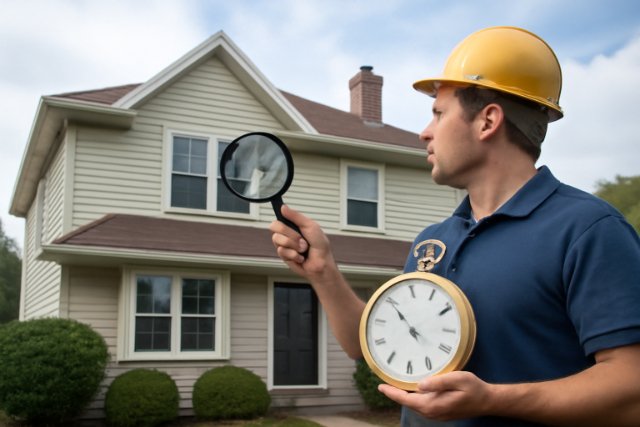
A typical home inspection takes about 2 to 4 hours, though the exact duration depends on the property’s size, age, layout, and condition. Smaller condos or townhomes can often be inspected in under two hours, while larger single-family homes, historic properties, or those with multiple systems (like pools, basements, or guest houses) may require five hours or more.
The inspection process is methodical the inspector evaluates the home’s structural integrity, roofing, foundation, plumbing, electrical systems, HVAC, insulation, and interior features. They move systematically from exterior to interior, often photographing findings and taking notes to compile a detailed report.
The cost is justified by the depth and value of the insights provided. A qualified inspector brings professional training, experience, and specialized tools (like moisture meters, infrared cameras, or circuit testers) to detect issues an untrained eye would miss.
What Is the Typical Time to Inspect a Standard Home?
For an average 2,000 sq. ft. home, a 3-hour inspection is standard. Complex homes or those with outbuildings, pools, or multiple HVAC systems can extend to 5 hours or more. Time spent correlates with report depth and accuracy a critical justification for inspection fees.
What Deliverables Does the Inspector Provide (Report, Photos, Summary)?
A professional inspection report includes:
- A comprehensive written summary
- Annotated photos highlighting defects or maintenance issues
- A rating of system condition (satisfactory, marginal, defective)
- Recommendations for repairs or specialist follow-ups
This documentation strengthens your negotiation position and future maintenance planning a tangible return on your inspection cost.
How to Compare Inspectors and Get Accurate Quotes
Comparing home inspectors and getting accurate quotes involves more than just checking prices it’s about evaluating qualifications, service scope, and reliability. Start by shortlisting at least three certified inspectors in your area. Review their credentials, such as membership in ASHI (American Society of Home Inspectors) or InterNACHI (International Association of Certified Home Inspectors).
Next, request detailed written quotes rather than flat estimates. A proper quote should outline what’s included (e.g., foundation, electrical, HVAC systems) and specify any exclusions or add-on fees for specialized tests like radon, sewer-scope, or mold inspections.
When comparing quotes, look beyond the lowest price. A slightly higher fee may reflect better tools, more thorough reporting, or insurance coverage. Read online reviews, ask for sample inspection reports, and verify that the inspector carries liability and errors & omissions (E&O) insurance.
What Credentials or Certifications Should You Look For?
Look for inspectors who hold credentials from:
- ASHI (American Society of Home Inspectors)
- InterNACHI (International Association of Certified Home Inspectors)
- NAHI (National Association of Home Inspectors)
Additional licenses for mold, radon, or pest inspection add credibility. Always verify liability insurance, sample reports, and client reviews.
Should You Choose the Cheapest Quote or Highest Quality?
Choosing based solely on price can be risky. Low-cost inspectors may rush the process or lack comprehensive insurance. The best strategy is to balance cost with quality indicators proven track records, transparent sample reports, and responsive communication. Spending an extra $50–$100 can uncover issues that might otherwise cost thousands.
Is a Home Inspection Cost Worth It?
Yes, a home inspection cost is absolutely worth it. Spending a few hundred dollars on a professional inspection can save you thousands in potential repair bills or hidden issues down the line. A qualified inspector evaluates the home’s structure, roof, plumbing, electrical, and HVAC systems revealing defects that might not be visible to an untrained eye.
Beyond financial savings, the inspection provides peace of mind and negotiation power. If major problems are found, buyers can request repairs, renegotiate the price, or even walk away from the deal. Conversely, a clean inspection report builds confidence in your purchase and supports fair valuation.
What Are the Risks of Skipping an Inspection?
Skipping an inspection can expose buyers to:
- Hidden foundation or roof damage
- Unsafe electrical systems
- Plumbing leaks or mold growth
- Code violations that hinder insurance or resale
Real-Life Examples of Inspections Saving Thousands
In one case, a $400 inspection identified a cracked main sewer line, saving a buyer nearly $6,000 in repair costs before closing. Another revealed roof damage estimated at $9,500, which the seller agreed to credit back during negotiations. Such scenarios prove that even a small upfront fee can lead to substantial financial protection.
How Does Home Inspection Cost Differ Internationally or Locally (e.g., Pakistan)?
Home inspection costs differ significantly across countries due to variations in labor costs, building standards, regulations, and market maturity.
In the United States, inspections are well-standardized and typically cost between $300 and $500, depending on home size, region, and add-on services such as radon or termite testing. Inspectors are usually licensed and certified by national bodies like ASHI or InterNACHI, which contributes to consistent pricing structures and report quality.
In contrast, countries like Pakistan, India, and other South Asian markets are still developing formal inspection industries. In Pakistan, for example, professional home inspections generally cost between PKR 15,000 and PKR 35,000 (USD $50–$120). The fee depends on home size, inspection depth, and the provider’s technical background often civil engineers or architectural consultants. Urban centers such as Lahore, Karachi, and Islamabad have higher fees due to demand, property complexity, and better-trained professionals.
What Are Typical Inspection Costs in Pakistan / Lahore?
In Pakistan’s major cities such as Lahore, Islamabad, and Karachi, professional home inspection services are relatively new but growing. Average costs range from PKR 15,000 to PKR 35,000 (USD $50–$120), depending on home size and scope. Some engineering consultancies offer full structural integrity evaluations with reports and moisture testing.
What Local Factors (Labor, Standards, Regulation) Influence Pricing?
Costs remain lower than in the U.S. due to:
- Lower labor and overhead expenses
- Limited mandatory licensing requirements
- Fewer add-on tests (radon and lead testing are rare)
However, large villas or high-end urban homes may command higher fees due to complex systems and imported materials requiring specialized inspection tools.
How to Budget and Plan for Home Inspection Costs
Budgeting for a home inspection should be an intentional part of your home-buying or selling process not an afterthought. Because inspection costs can vary based on property size, region, and add-on services, building this expense into your financial plan early helps prevent last-minute stress and ensures a smooth transaction.
Beyond the direct inspection fee, consider the indirect costs that may arise after receiving your report. Many buyers use inspection results to negotiate repairs or credits but sometimes, it’s wise to budget for immediate fixes or second opinions from specialists. If the inspector flags a potential issue with the foundation, roof, or HVAC system, you may need to hire a structural engineer or technician for further evaluation.
What Buffer Percentage of Purchase Price Is Reasonable?
Experts recommend setting aside 0.05%–0.1% of your home’s purchase price.
For example:
- $300,000 home → $150–$300 buffer
- $500,000 home → $250–$500 buffer
This covers both standard inspection fees and potential add-ons like radon or sewer-scope testing.
How to Include Inspection Cost in Closing or Financing
Some buyers roll inspection fees into closing costs or request seller credits to offset the expense. In FHA or VA loans, lenders may even allow limited inclusion if part of pre-closing service invoices. Discuss options with your mortgage officer early to plan effectively.
Conclusion
Understanding home inspection cost empowers buyers and sellers to make confident, well-informed decisions. While prices vary, the average $300–$500 fee delivers peace of mind worth many times its value. By comparing certified inspectors, planning for add-ons, and budgeting proactively, you not only safeguard your investment but also gain negotiation leverage and long-term property stability. Whether in the U.S. or abroad, viewing inspection cost as a strategic tool not a burdensome fee turns it into one of the most valuable steps in the homeownership journey.
FAQ’s
Most inspections cost between $200 and $500, depending on size, location, and inspector credentials.
Larger homes, older structures, remote locations, and add-on tests (mold, radon, sewer) increase overall cost.
No. These require separate testing and fees.
Usually the buyer, though sellers may pay for pre-listing inspections to attract buyers.
Between 2 and 4 hours, depending on property size and accessibility.
Sometimes discuss with your lender or real estate agent to see if it can be rolled into closing.
Almost always. It exposes buyers to hidden risks and expensive post-purchase repairs.
Allocate 0.05%–0.1% of your purchase price, or roughly $300–$600, to cover all inspection-related expenses.
