


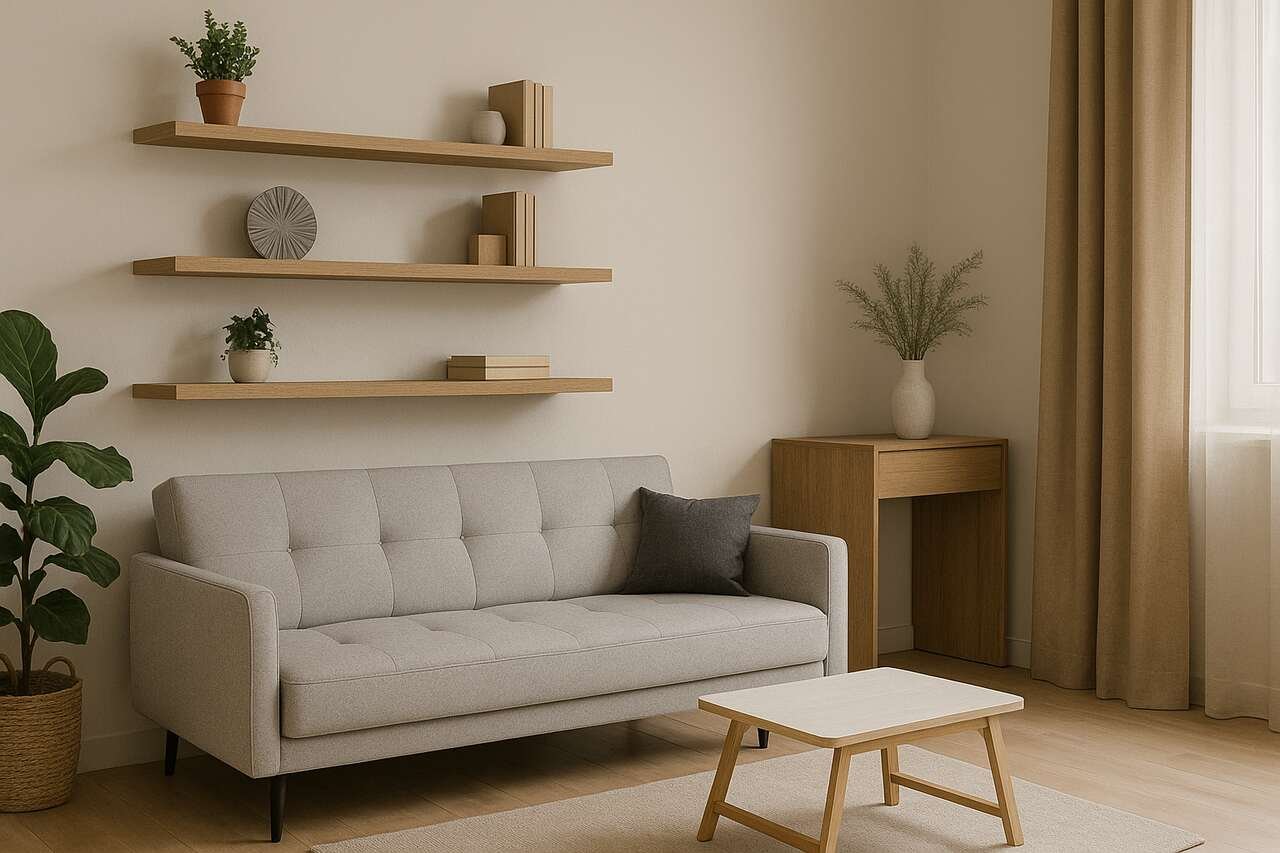
Furniture for small living room designs prioritizes multifunctionality, smart scaling, and visual openness. Compact living areas demand furniture that not only fits but enhances both style and practicality. With urban living and minimalism on the rise, choosing the right furniture has become crucial in maximizing livability. This guide explains which types of furniture work best in small living rooms, how to maintain flow and openness, and where to shop for quality space-saving solutions. Every piece matters in a small room, so selections must perform multiple duties visually and functionally.
What Types of Furniture Work Best in Small Living Rooms?

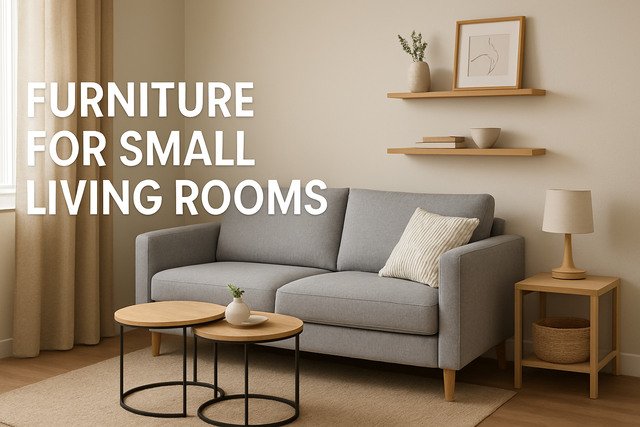
Compact living rooms benefit most from furniture that balances scale, functionality, and aesthetic lightness. Slim-profile seating, multifunctional tables, and convertible storage pieces prevent the room from feeling cluttered or overwhelmed. These selections allow for comfort without sacrificing necessary movement and usability in daily routines. Pieces with thoughtful proportions and adaptive features help to reclaim space otherwise wasted.
Why Should You Choose Pieces With Slim Profiles and Visible Legs?
Slim-profile furniture with visible legs creates an airy, less bulky visual impression. Visible legs elevate pieces off the ground, enabling light to pass through and making floors appear more expansive. This illusion of openness is key in confined spaces. When space is limited, every inch counts, and visual weight can dramatically affect how open or cramped a room feels.
- Slim Sofas: Sofas with depths of 30-36 inches maintain comfort without dominating floor area. Models with sleek arms and tight-back cushions further minimize spatial intrusion.
- Chairs with Exposed Legs: Armchairs or accent chairs that reveal flooring beneath offer lightness. Open-frame chairs in wood or metal amplify the airy feeling.
- Console Tables: Narrow consoles with leg visibility perform well behind sofas or under windows. They offer surface storage without occupying too much visual mass.
- Acrylic or Metal Pieces: Transparent or minimal-frame furniture appears almost invisible, enhancing spatial feel.
These materials visually disappear, helping small rooms feel less crowded.
How Can Multifunctional Furniture Amplify Utility in Compact Spaces?
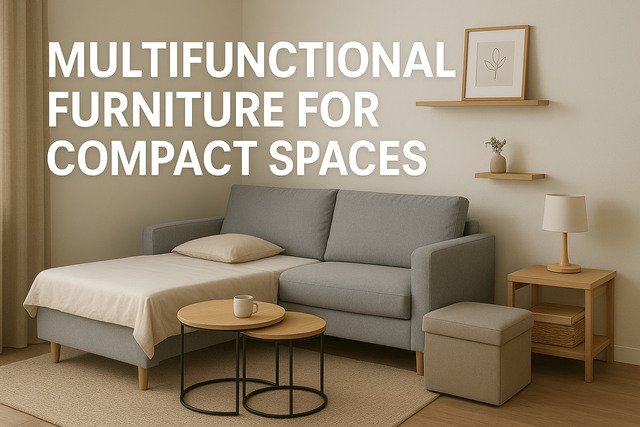
Multifunctional furniture performs two or more tasks in a single footprint. These items reduce the number of furniture pieces needed, improving both efficiency and visual clarity. When furniture can transform or adapt, the room can accommodate changing functions such as lounging, working, or sleeping without adding clutter.
Allow at least 24-30 inches for main walkways, float furniture where possible, and avoid blocking windows or doors to maintain light and flow.
Chairs that unfold into beds allow for overnight guests without a dedicated room. They eliminate the need for separate guest beds.
- Storage Ottomans: These provide footrests, hidden storage, and extra seating simultaneously. Lidded versions can also function as coffee tables.
- Nesting Tables: Multiple tables stored as one give flexibility in entertaining and layout changes. They can be used together or separately as needed.
- Convertible Desks/Tables: Coffee tables that lift into workstations support remote work without needing more space. This functionality supports evolving lifestyle needs.
Which Storage-integrated Furniture Makes Sense for Small Rooms?
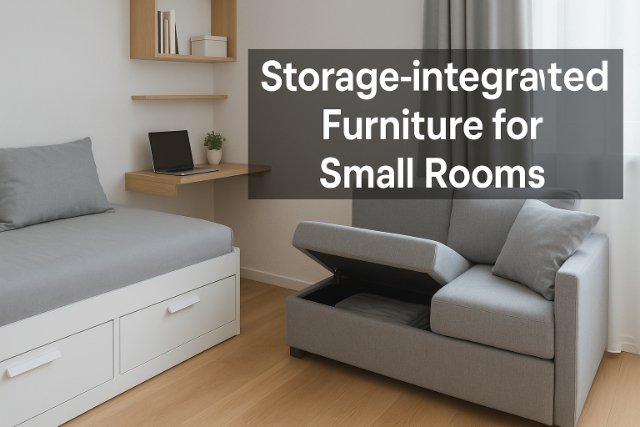
Storage-integrated furniture supports function and cleanliness by providing concealed places for everyday items. In small rooms, these pieces help maintain order without relying on visible clutter or bulky cabinets. Smart storage solutions help homeowners avoid the accumulation of loose items that visually overwhelm small spaces.
What Role Do Ottomans, Nesting Tables, or Coffee Tables With Storage Play?
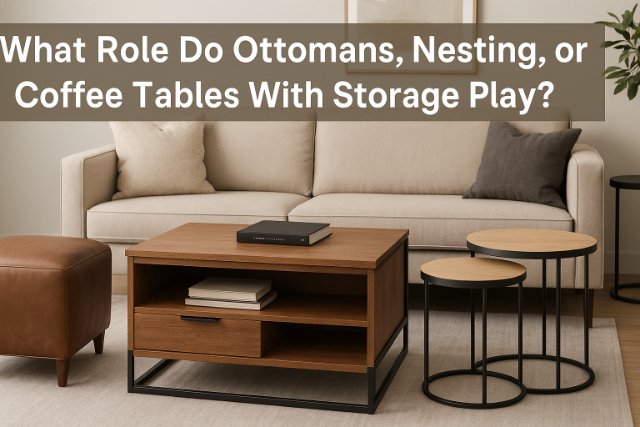
These low-profile, multifunctional items double as décor and utility tools. They allow small living rooms to serve multiple purposes while keeping the design cohesive. More than just furniture, they become space-saving tools that help simplify daily life.
- Ottomans with Lids: Perfect for stashing throws, remotes, or books. Some models offer built-in trays that convert them into serving surfaces.
- Nesting Tables with Drawers: Combine compact form with utility and can be pulled apart as needed. This flexibility is ideal for hosting or rearranging.
- Lift-Top Coffee Tables: Provide hidden compartments and a tabletop that rises for eating or working. These tables transition from casual to productive uses.
- End Tables with Cubbies: Function as both lamp bases and smart storage spots. Some include magazine holders or cord management features.
Can Wall-mounted or Floating Units Free Up Floor Space?
Wall-mounted storage enhances usable area by removing bulky furniture from the ground plane. Floating units make floor cleaning easier and visually elevate the room. These designs create a sense of lightness and flexibility, opening up space both physically and visually.
- Floating Shelves: Store décor, books, and tech accessories without encroaching on floor space. Staggered heights add interest and balance.
- Wall-Mounted Desks: Fold-down desks support occasional work or study needs. When closed, they blend seamlessly into the wall.
- Floating Media Consoles: Offer hidden cable storage and media access while freeing up the area below. They
reduce bulk and declutter entertainment zones.
- Slim Wall Cabinets: Add vertical storage in tight wall areas without crowding seating zones. Some designs include mirrors to further enhance space.
How Do You Maintain Comfort Without Overcrowding?
Balancing comfort and openness requires selecting fewer but smarter pieces. Armless seating, compact silhouettes, and light-toned materials contribute to a sense of calm while maintaining enough function for daily life. A curated approach ensures that the room feels intentional rather than packed.
Are Armless Sofas and Narrow Designs Effective in Maximizing Seating?
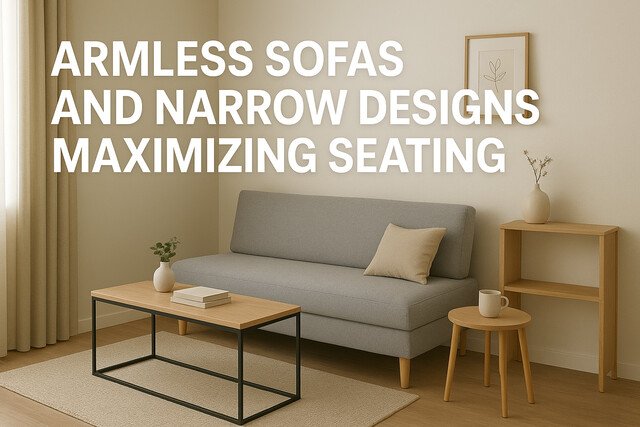
Yes, armless and narrow-frame sofas allow more people to sit without taking up as much space. Removing arms reduces visual and physical bulk, maximizing seating within a limited footprint. The absence of arms creates openness and lets modular designs fit neatly into corners.
- Armless Sectionals: Connectable modules allow flexibility in configuration and reduce size. They’re excellent for creating L- or U-shaped layouts in small rooms.
- Tight-Back Sofas: These provide upright support without deep cushions. They’re easier to maintain and align well against walls.
- Low-Profile Loveseats: Perfect for two-person seating in studio apartments. They provide comfort without monopolizing space.
- Bench-Style Sofas: Backless benches also double as tables or perches. In multifunctional rooms, they act as flexible platforms.
How Can Light-colored or Transparent Furniture Reduce Visual Bulk?
Light and transparent finishes reflect more natural light and minimize heavy shadows. These attributes make a small space feel open and airy. Visual perception is crucial in tight quarters, and lighter elements create a sense of freedom and tranquility.
- Glass Tables: Let sightlines extend beyond the furniture piece. They also visually “disappear,” giving way to other elements.
- Lucite or Acrylic Chairs: Blend into any room and don’t interrupt visual flow. They’re modern and adaptable to various décor styles.
- Light-Wood Finishes: Natural, pale woods match minimalist decor and reduce visual weight. Examples include ash, oak, or maple.
- Soft Neutral Upholstery: Beige, gray, or cream fabrics brighten the room and visually recede. These tones also act as a backdrop for accents.
Where Can You Find Budget-conscious, Space-saving Furniture Locally?
Affordable furniture for small spaces is widely available through retailers offering ready-to-assemble (RTA) or modular designs. These companies understand urban lifestyle constraints and offer solutions tailored to compact rooms. Shopping locally ensures faster delivery, easier exchanges, and more accessible support.
Which Ready-to-assemble (Rta) or Compact Furniture Retailers Cater to Small-space Needs?
- IKEA: Globally recognized for flat-pack furniture, ideal for tight entryways and DIY assembly. Offers comprehensive small-space series like LACK and HEMNES.
- Habitt: Offers local compact sofa options like the Loft 2.5-Seater with minimalist design. Blends aesthetics with space-conscious dimensions.
- Huner Store: Provides multifunctional pieces such as the Tatami coffee table or Wisfor side table. Known for affordability and innovation.
- Wayfair: Vast catalog of narrow furniture and modular systems for every price point. Filters help you sort by room size and functionality.
- Urban Galleria: Offers space-saving living room sets suited to Pakistani apartments. Local stock means quicker delivery and support.
How Do Multifunctional Pieces Compare to Dedicated Designs in Value and Flexibility?
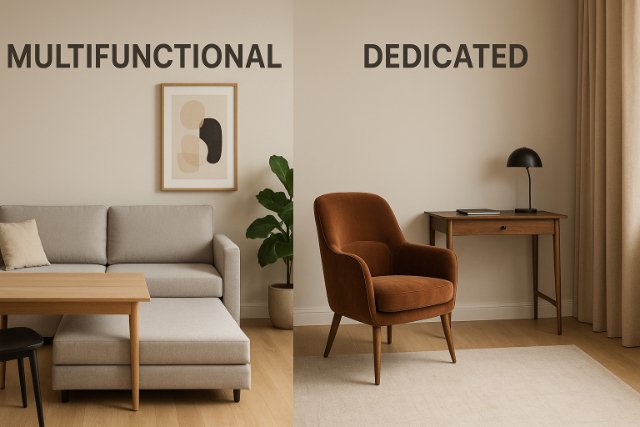
Multifunctional furniture typically offers better value in tight spaces because one item handles multiple roles. Dedicated pieces may offer specialized comfort or design, but they often require more space and budget. Choosing between the two depends on whether your space or function takes priority.
What Are the Advantages of Convertible or Hidden-storage Furniture vs Standalone Pieces?
| Feature | Convertible/Storage Furniture | Standalone Furniture |
| Space Efficiency | High – multiple uses in one unit | Low – one function per item |
| Flexibility | Can adapt to changing needs or guests | Limited to original purpose |
| Cost Value | Often better ROI due to versatility | May cost more for single-use designs |
| Visual Cohesion | Designed to blend into room aesthetics | May add visual clutter |
| Ideal For | Studio apartments, flexible households | Permanent layouts, larger rooms |
Convertible pieces like sleeper chairs, lift-top tables, or modular sofas adjust to user needs. They work well in dynamic living environments where space and purpose shift regularly. Homeowners benefit from furniture that evolves with lifestyle needs from hosting to relaxing to working.
Conclusion
Choosing furniture for a small living room demands intentional decisions that combine beauty and utility. Slim profiles, light materials, and multifunctional pieces allow even the tightest rooms to feel open and comfortable. Prioritizing storage-integrated and convertible furniture helps avoid clutter while maximizing flexibility. Whether you opt for floating shelves or armless seating, your small space can still reflect big design impact. The right furniture layout transforms limitations into livable elegance.
Frequently Asked Questions
Slim silhouettes, multifunctionality, and light or transparent materials reduce bulk and increase usability.
Yes, they serve multiple needs in one compact form, ideal for tight layouts and limited budgets.
Stick to slim profiles, avoid dark heavy materials, and opt for visible-leg or floating designs to preserve airiness.
Yes, wall-mounted storage can substitute for floor furniture and clear visual clutter, especially in minimal layouts.
Limit to two or three. Too many pillows reduce usable seating and add unnecessary volume that interrupts visual flow.
Yes. RTA furniture is easier to maneuver through narrow halls, cost-effective, and adaptable to compact layouts.
Allow at least 24-30 inches for main walkways, float furniture where possible, and avoid blocking windows or doors to maintain light and flow.


