


Highlights
- Clear steps for booking, preparing for, and benefiting from in home massage
- Practical guidance based on my own experience helping readers choose trusted therapists
- Detailed explanations of service types, equipment, pricing, safety, and aftercare
- Easy to follow structure with actionable steps
- Includes comparison tables, tips, and frequently asked questions
Inviting a massage therapist into your home can transform the way you think about relaxation, recovery, and personal care. In home massage removes travel time, eliminates waiting rooms, and replaces a noisy environment with the comfort of your own space. Throughout this guide I will walk you through each step based on what I have seen work best for people who want a safe and rewarding in home massage experience. By the end, you will know how to choose the right provider, prepare your home, understand pricing, select the best massage style, and maximize your results.
Identify Your Massage Needs Before Booking
Understanding what you want from an in home massage helps you match with the right therapist and the right session length. When I help people narrow down their options, the first thing I ask is what problem they want solved. Whether it is stress, muscle tightness, recovery from workouts, or simple relaxation, clarity guides your decisions. Most service providers offer several styles, so defining your goal first makes the selection easier.
Choosing your needs includes deciding how intense or gentle the massage should be, how much time you can set aside, and whether you want a recurring schedule. Some people need deeper work on specific areas while others want a full body flow that quiets the mind. Sharing these preferences also helps your therapist prepare their equipment and techniques before arriving.
Your personal lifestyle, daily habits, and physical comfort levels also influence your needs. Someone working at a desk all day may require focus on the neck and upper back, while an athlete may request leg and hip recovery. Understanding these details improves communication and ensures you get the most out of the experience.
Distinguish Between Relaxation and Therapeutic Goals
Relaxation sessions usually use lighter pressure and long flowing movements. They calm the nervous system and reduce mental fatigue. Therapeutic goals involve deeper work, targeted muscle attention, and slower methods that relieve chronic discomfort. I often see people choose the wrong style simply because they did not know the difference. Knowing which one you need increases satisfaction.
Consider Your Pain Points and Lifestyle Strain
Daily routines shape your body more than you realize. If you lift heavy items, travel often, or sit for long periods, specific parts of your body absorb the strain. Listing these out before your session gives your therapist a roadmap to deliver better results. It also reduces the chance of leaving the session with unresolved tension.
Choose a Qualified and Trustworthy Therapist

Selecting a skilled therapist is the most important decision in the in home massage process. I always recommend looking for someone with reliable certifications, strong customer feedback, and professional communication. A trusted provider sets the tone for a safe and enjoyable experience. Most service directories allow you to filter by specialty, years of experience, and customer ratings.
Take time to review profiles, read descriptions, and check how clearly the therapist explains what they offer. Someone who communicates well in writing often communicates well during the session too. You can also message therapists beforehand to ask questions about pressure preferences, techniques, or any personal concerns.
The relationship between you and your therapist should feel comfortable. A good provider respects boundaries, arrives on time, and explains the process clearly. Professional behavior is just as important as skill. When you find someone who meets all three qualities, your home sessions become worry free and rewarding.
Compare Provider Qualifications and Backgrounds
Look for licensing, training history, and special skills. Many therapists list additional training in prenatal, sports, or deep tissue techniques. These details indicate their level of expertise. Reviewing this information helps you avoid choosing someone whose strengths do not match your goals.
Evaluate Professionalism and Communication Style
Strong communication builds trust. Notice how quickly the therapist replies, how clearly they answer your questions, and how respectful they are. Communication often reflects the session experience. When someone is pleasant and professional from the start, the session usually goes smoothly.
Review Service Options and Select the Best Massage Type
There are several in home massage styles available, and each one delivers different benefits. Choosing the right type depends on your physical condition, stress level, and personal preference. When I discuss options with readers, many are surprised by how different each style feels. Understanding these differences helps you avoid mismatched expectations.
Each type uses unique techniques and pressure levels. Some are perfect for relaxation while others target soreness or mobility. You can also combine different styles in a single session. Many therapists customize their work to fit your comfort level.
Different massage types also vary in duration. A targeted deep tissue session might only require 60 minutes, while a full body relaxation session is often better at 90 minutes or longer. Matching the massage type with the right duration enhances the results.
Common Massage Styles You Can Request
Swedish offers gentle relaxation
Deep tissue targets knots and tight muscles
Sports massage supports athletic recovery
Prenatal massage supports comfort during pregnancy
Chair massage is an option for those who prefer an upright position
Customize Techniques to Fit Your Goals
You can ask for lighter or deeper pressure, focus on specific areas, or combine multiple styles. Communicate what you want before the session begins. A good therapist adjusts their approach to your comfort level.
Prepare Your Home and Create a Comfortable Environment
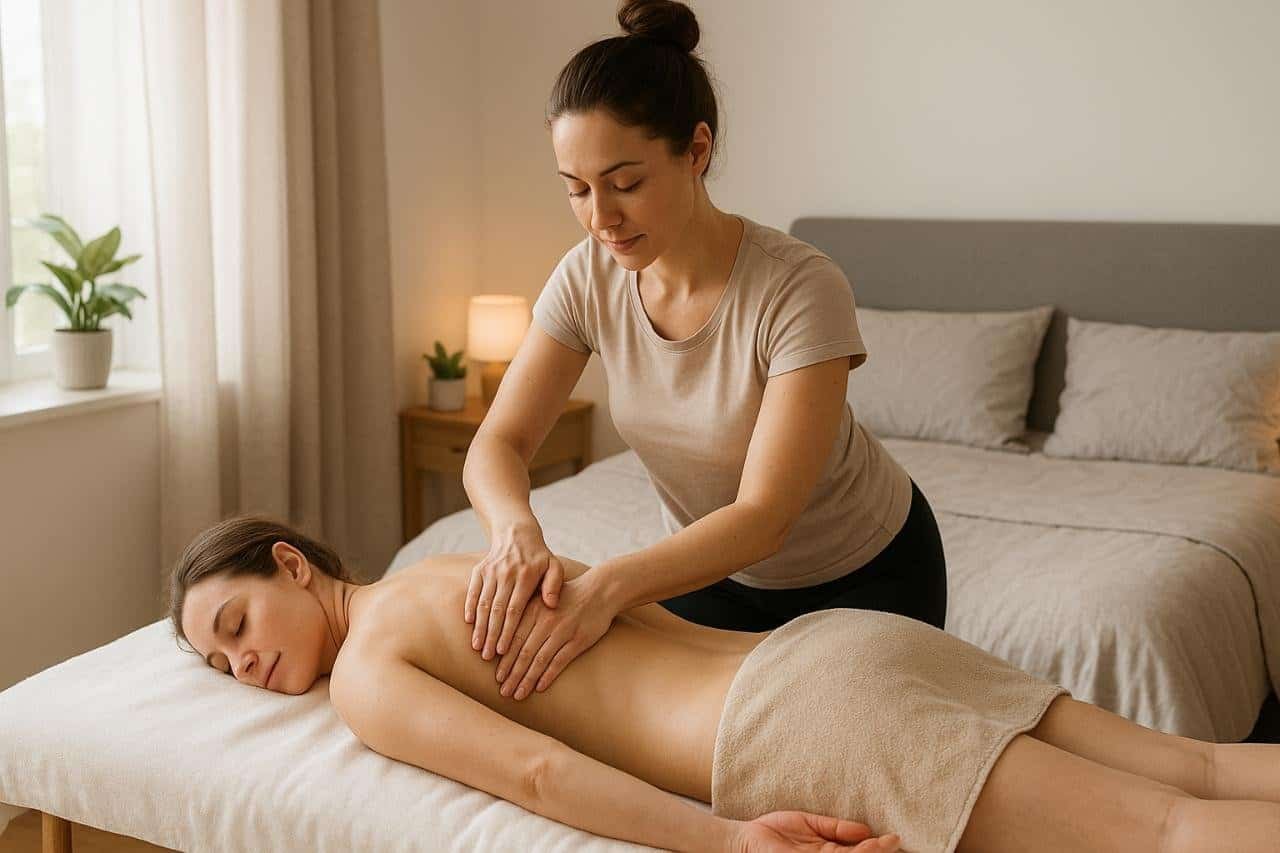
Preparing your home sets the stage for a calming session. You do not need a spa-like room, only a clean and quiet space large enough for the massage table. I always tell readers that the right environment enhances results more than they expect. A peaceful setup makes the session smoother and more enjoyable.
Make sure there is enough room for the therapist to walk around the table. Remove obstacles, secure pets in another area, and adjust the temperature to a comfortable level. Soft lighting or natural sunlight also improves the atmosphere.
You can enhance the environment by playing quiet music, dimming harsh lights, and reducing distractions.
Preparation shows respect for the therapist and helps you shift into a relaxed mindset faster. Even small adjustments make a noticeable difference.
Set Up a Spacious Area for the Massage Table
Provide a cleared area where the therapist can set up equipment. Most tables require space on all sides. A living room, bedroom, or even a large hallway can work. Good spacing makes the therapist’s movements smoother.
Minimize Distractions During the Session
Silence phone notifications, turn off loud appliances, and let household members know you need quiet time. Many people underestimate how much interruptions break relaxation. Planning ahead prevents this.
Understand Pricing, Payment Structure, and Package Options
Cost varies based on your location, session length, and therapist skill. In my experience helping readers compare pricing, transparency is key. A reputable provider clearly lists their rates and what is included. Some charge additional fees for travel, while others include travel in the base rate.
Many therapists offer 60, 90, and 120 minute sessions. Longer sessions cost more but often deliver better results because the therapist has time to address multiple areas. Some providers also offer discounted packages for clients who want recurring sessions.
Payment options typically include cash, card, or digital transfers. Always confirm payment details before the session begins to avoid confusion afterward. Understanding pricing helps you budget and select the right frequency for your needs.
Typical Price Ranges for In Home Massage
| Session Length | Average Cost | Notes |
| 60 minutes | Moderate pricing | Good for targeted work |
| 90 minutes | Higher pricing | Best balance for full body |
| 120 minutes | Premium pricing | Great for deep relaxation |
Package Deals and Recurring Session Benefits
Many therapists provide bundles that reduce the cost per session. Weekly or biweekly schedules support long term wellness. Recurring clients often receive priority booking and flexible times.
Follow Safety, Hygiene, and Comfort Guidelines
Safety is essential during any in home massage. From what I have seen working with readers, most concerns come from not knowing what to expect. A professional therapist follows strict hygiene standards, brings clean linens, and washes their hands before beginning. Your comfort should always remain the priority.
You can also take steps to ensure a safe session. Remove slippery rugs, have good lighting for setting up the table, and communicate any health conditions beforehand. Your therapist needs this information to adjust pressure and technique.
Comfort matters too. If the temperature feels too warm or too cool, speak up. If pressure becomes uncomfortable, say so. A massage should never be painful beyond mild therapeutic discomfort. Your body responds best when you feel safe.
Communicate Health Conditions Before the Session
Share anything that affects your massage, such as injuries, allergies, or recent surgeries. Clear communication prevents complications and guides the therapist’s decisions.
Maintain Personal and Environmental Cleanliness
A clean room and clean skin improve the overall experience. It also allows the therapist to focus on technique without distraction.
Apply Aftercare Steps to Extend the Benefits

Aftercare is an important part of the in home massage process. I often remind readers that how you treat your body after the session influences the results. Proper aftercare supports muscle relaxation, hydration, and recovery.
Drink water to help the body reset. Gentle stretching keeps muscles loose. Avoid heavy exercise immediately after the session unless your therapist approves. Your body needs time to absorb the benefits.
Tracking how you feel in the hours and days following the massage helps you decide when to book your next session. Some people benefit from weekly appointments while others need only monthly maintenance.
Use Hydration and Stretching After the Session
Water reduces soreness and helps circulation. Light stretching keeps muscles from tightening after deep work. These simple steps extend the benefits of the massage.
Observe Your Body’s Response and Adjust Future Sessions
Pay attention to sleep quality, stress levels, and muscle comfort. These signals help you schedule future sessions at the right frequency.
Conclusion
In home massage offers convenience, comfort, and a personalized wellness experience that traditional massage locations cannot match. By taking time to understand your needs, choose a trustworthy therapist, prepare your home, and follow aftercare steps, you elevate the entire experience. I hope the insights I shared from my experience help you feel confident and fully prepared. Whether you want stress relief, muscle recovery, or deeper relaxation, in home massage brings professional care directly to your space.
FAQ’s
Booking at least two to three days ahead ensures you get your preferred time, especially for weekends or evenings.
Most therapists bring their own linens, but you can confirm this during booking.
Yes, you can play your own music or use the therapist’s playlist. Personal preference is always welcome.
Comfortable clothing is ideal. You will undress to your comfort level during the session, and the therapist will keep you properly draped.
Mild soreness is common, especially after deep tissue work. It usually fades within a day.
Many therapists offer group or household sessions. Check availability and time requirements beforehand.
