Introduction
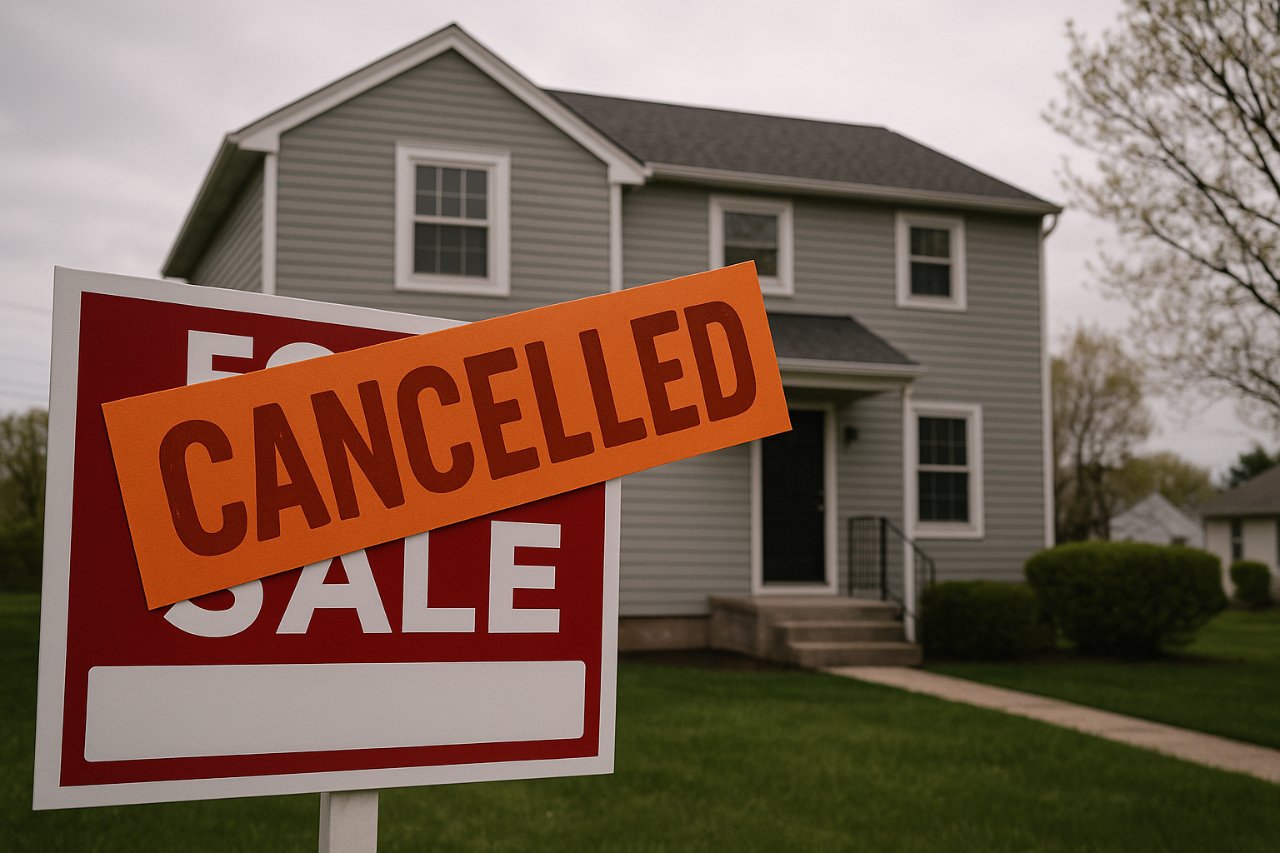
In 2025, the U.S. housing market is facing an unusual and concerning trend: a surge in home sale cancellations. More buyers are backing out of deals before closing, and industry reports from Redfin, Zillow, and MLS databases indicate that nearly one in seven pending sales failed to close in several major metros this year. This phenomenon signals a sharp shift in market dynamics, highlighting stress points in affordability, financing, and consumer confidence. Understanding why this is happening and how it affects buyers, sellers, and the broader economy is essential for anyone navigating today’s volatile housing environment.
What Is Causing the Surge in Home Sale Cancellations?
The recent rise in canceled home sales stems from a convergence of economic, psychological, and procedural factors that are challenging both buyers and sellers. The dominant driver is affordability pressure: as mortgage rates hover above 7%, monthly payments have become unsustainable for many buyers who initially qualified months earlier. Combined with tightening lender standards and unpredictable appraisals, many deals simply don’t survive the escrow period.
How Do Appraisal and Inspection Issues Contribute to Deal Failures?
Appraisal and inspection contingencies are among the top triggers for cancellations. When an appraisal comes in below the agreed purchase price, the buyer may be unable or unwilling to cover the difference out of pocket, leading to renegotiation or termination. Likewise, inspections revealing costly defects such as foundation issues or outdated electrical systems can push nervous buyers to walk away. In 2025, with slim budgets and fewer repair concessions, these factors carry greater weight than ever.
Appraisal variance has widened as market volatility increases. In overheated regions like Phoenix, Austin, and Tampa, median appraisal shortfalls have doubled since 2023, according to Redfin data. When lenders refuse to finance amounts above the appraised value, contracts collapse unless buyers inject additional cash. Sellers, facing longer market times, often lack the leverage to demand otherwise.
Beyond numbers, inspection outcomes shape trust. In an era of climate risk and aging housing stock, structural surprises can be deal-breakers. The result is a spike in terminated contracts, particularly among first-time buyers who have less financial cushion.
How Severe Is This Surge What Do Recent Data Tell Us?
The data show that home sale cancellations have reached their highest levels since 2022, with monthly termination rates fluctuating between 13% and 15% nationally. According to Redfin’s August 2025 report, that figure translates to roughly 90,000 deals canceled in a single month.
This rate varies by region. Sunbelt markets, which saw the most aggressive price growth during the pandemic, now face the steepest fallout rates. Meanwhile, Midwestern metros like Cleveland and Kansas City report lower-than-average cancellations, likely due to steadier pricing and local lending practices.
| Region | 2025 Avg. Cancellation Rate | Key Factors |
| Phoenix, AZ | 16.2% | Overvaluation, high investor activity |
| Tampa, FL | 15.7% | Insurance costs, flood risk |
| Seattle, WA | 13.5% | Tech layoffs, affordability pressures |
| Atlanta, GA | 14.8% | Mortgage volatility, new builds oversupply |
| Cleveland, OH | 9.6% | Stable pricing, local lending support |
What Has Been the Historical Cancellation Rate Baseline vs 2025 Spikes?
Historically, U.S. home sale cancellations averaged 8% to 9% in stable markets. The pandemic years distorted this equilibrium as record-low mortgage rates and high competition encouraged buyers to waive contingencies. In 2021, cancellations briefly dropped below 6%. The sharp reversal to double-digit levels in 2025 indicates a normalization beyond equilibrium reflecting both cooling demand and heightened buyer caution. Economists view it as an early-warning signal of an extended market correction phase.
What Are the Implications of a High Cancellation Rate for Buyers, Sellers, and the Market?
The surge in cancellations reshapes the balance of power between buyers and sellers. For sellers, failed contracts mean rising holding costs, re-listing fatigue, and eventual price reductions. For buyers, it introduces new opportunities to negotiate, but also greater uncertainty about long-term market stability.
High cancellation rates ripple through inventory cycles. When deals fall through, listings return to the market, inflating active inventory and reducing urgency. According to MLS data, approximately 12% of September 2025 listings were re-listed within 30 days of a canceled contract, contributing to downward price pressure in several metros.
How Does It Shift Negotiating Power Between Buyer and Seller?
In 2021–2022, sellers dictated terms; now, buyers hold leverage. They can request more concessions from rate buydowns to repair credits and face less competition. The dynamic encourages more thorough due diligence and less emotional bidding. For sellers, this means adapting with flexible contract terms, improved pre-listing inspections, and strategic pricing to prevent fallout.
As Redfin economist Chen Zhao explains, rising cancellations are a symptom of a “transition market” where buyers test their limits and sellers adjust expectations. This new equilibrium favors informed negotiation over speculative optimism.
How Can Buyers and Sellers Mitigate the Risk of a Canceled Deal?


Preventing cancellations requires proactive management of contingencies, financing, and expectations from both sides. Buyers can strengthen offers by obtaining pre-underwritten mortgage approvals, conducting pre-inspections, and budgeting for appraisal gaps. Sellers can reduce risk through transparent disclosure and pre-listing repairs to minimize post-offer surprises.
| Strategy | Buyer Action | Seller Action |
| Financing Security | Get rate-locked and pre-underwritten | Verify buyer qualification early |
| Inspection Control | Conduct pre-inspection before offer | Repair key issues proactively |
| Appraisal Management | Research comparable sales carefully | Price realistically to align with appraisals |
| Emotional Stability | Avoid overbidding or fear-based offers | Manage expectations on timeline and price |
What Steps Can Buyers Take to Prevent Contract Fallout?
Buyers should start by aligning financing and property condition realities. A pre-underwritten loan demonstrates seriousness and reduces the chance of denial after contract. Engaging an agent experienced with appraisal challenges can also help preempt valuation disputes.
Next, buyers should factor in insurance and tax implications hidden costs that can derail affordability. With rising climate and property insurance premiums in states like Florida and California, post-offer affordability surprises are common. Finally, staying emotionally disciplined helps avoid overcommitment in unstable markets. When paired with sound financial preparation, this reduces the odds of regret-driven withdrawals.
What Comparisons and Alternatives Exist?
Comparing 2025 to past real estate cycles shows distinct differences in drivers and buyer psychology. The 2008 housing crash was defined by financial overleverage; today’s cancellation surge stems more from affordability stress and buyer hesitation. However, both share a common trait: confidence erosion.
In past downturns, cancellations rose sharply when buyers anticipated future price declines. Similar patterns are emerging in today’s sentiment data, where 63% of surveyed buyers believe prices will drop further by mid-2026.
How Does the Cancellation Surge Compare Across Past Downturns or Cycles?
| Market Cycle | Avg. Cancellation Rate | Primary Cause |
| 2008 Recession | 18%+ | Financing collapse, subprime fallout |
| 2018 Slowdown | 9% | Rate hikes, affordability stress |
| 2022 Market Cooldown | 13% | Mortgage rate surge, inflation spike |
| 2025 Correction | 14–15% | Buyer caution, appraisal gaps, insurance costs |
While the 2025 rate is comparable to early-recession levels, the context differs: credit standards remain solid, and inventory is not excessively high. This suggests a controlled correction rather than systemic collapse.
What Future Trends or Signals Should We Watch?
Looking ahead, analysts anticipate a gradual normalization of cancellation rates if mortgage rates decline in late 2025 or early 2026. However, structural issues like insurance inflation, climate risk, and income stagnation may prevent a full rebound.
Technological interventions could also reduce fallout. Platforms offering escrow financing, inspection marketplaces, or AI-based appraisal reconciliation are emerging to bridge trust gaps in transactions. These innovations could improve deal reliability by offering better transparency and risk assessment.
Will Cancellation Rates Recede If Mortgage Rates Decline?
Yes but only partially. While lower rates will restore affordability for some, psychological caution may persist. Buyers burned by recent volatility could remain hesitant. Moreover, if rate drops trigger renewed price competition, appraisal gaps may widen again. The healthiest path forward involves balanced moderation: stable pricing, clear lending standards, and improved consumer confidence.
Conclusion
The surge in home sale cancellations in 2025 is a powerful indicator of a market in transition. Driven by affordability constraints, procedural breakdowns, and shifting psychology, it marks a new phase of realism in U.S. real estate. For buyers, it underscores the need for preparation and discipline; for sellers, adaptability and transparency. As the market stabilizes, success will belong to those who embrace data-driven strategies and collaborative negotiation. The phenomenon may fade, but its lessons will define how real estate contracts evolve in the years ahead.
FAQ’s
A home sale cancellation occurs when a buyer and seller terminate a signed purchase agreement before closing. A failed listing, in contrast, refers to a home that never receives an accepted offer.
Historically, the rate hovers around 8–9%. In today’s market, rates exceeding 14% indicate elevated instability.
High mortgage rates, stricter appraisals, insurance cost shocks, and buyer caution have all combined to raise the fallout rate.
Most terminations happen during the inspection and appraisal phases, typically within 15–25 days after contract acceptance.
If the home appraises below sale price or inspection reveals costly issues, buyers often exercise contingency rights to exit the deal.
Yes, through earnest money deposits or termination clauses, though state laws vary. These must comply with local real estate regulations.
Likely, but not completely. Psychological caution and affordability concerns will continue to influence behavior.