


Introduction
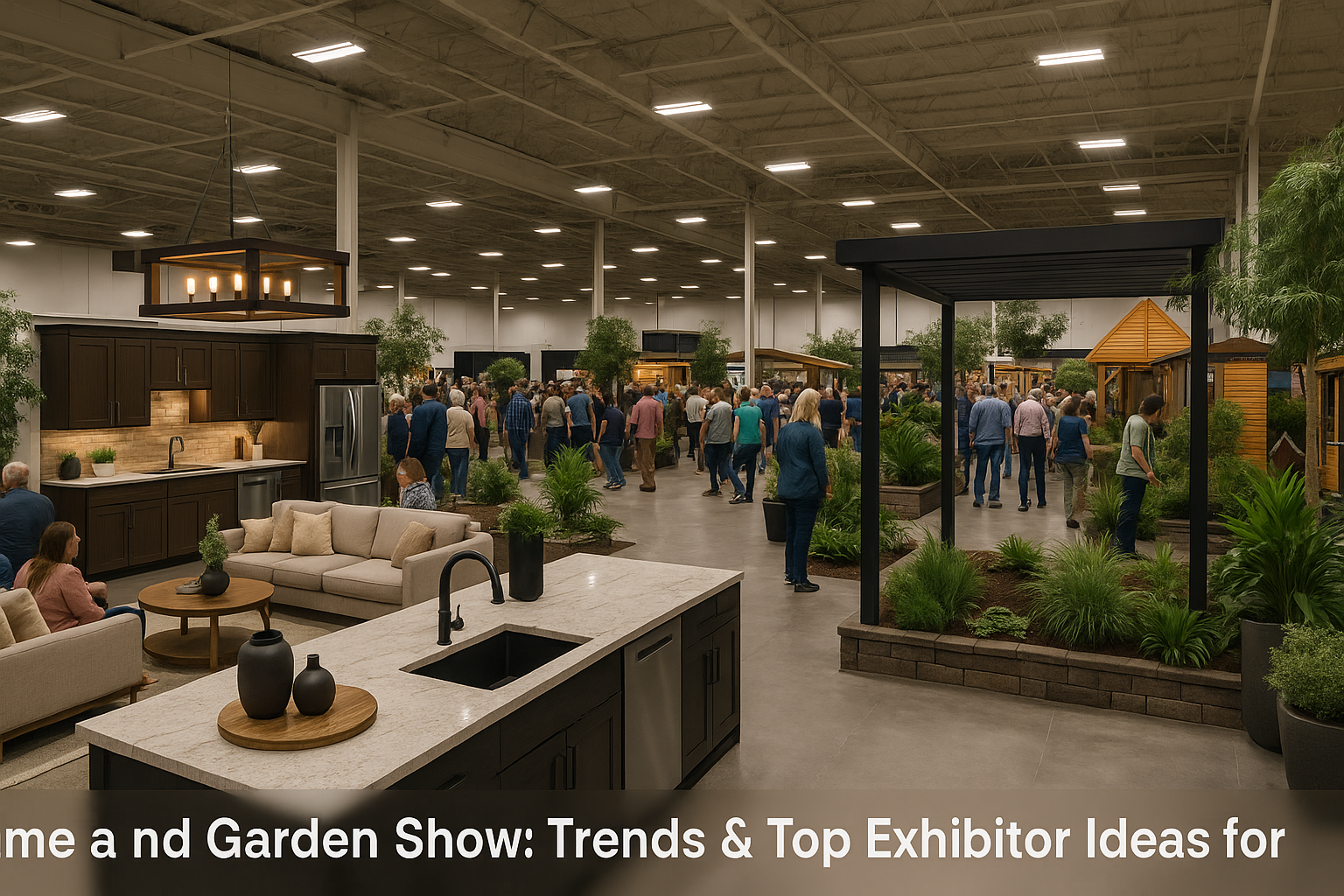
The Home and Garden Show has evolved into one of the most influential lifestyle and design events of the year where innovation, craftsmanship, and sustainable living converge under one roof. Each season, these shows inspire homeowners, designers, and industry professionals to reimagine how we live, build, and connect with our environments. From lush garden displays and interactive workshops to the latest in smart home technology, the modern home and garden show is a vibrant ecosystem for ideas, trends, and transactions.
As homeowners increasingly seek personalized, energy-efficient, and biophilic spaces, these exhibitions act as both trend barometers and marketplaces. Visitors can explore thousands of products, attend expert-led seminars, and connect directly with contractors or design consultants. For exhibitors, the show is more than a marketing opportunity it’s a dynamic space to showcase innovation, build brand trust, and convert leads through immersive engagement.
In 2025, home and garden shows are expected to grow even more diverse, blending physical and digital experiences while emphasizing sustainability and community connection. Whether you’re an event organizer, exhibitor, or visitor, understanding how to plan, participate in, and benefit from these events can unlock significant creative and commercial value.
Understand the Home and Garden Show and Its Industry Impact
A home and garden show is a large-scale consumer exhibition that brings together the best in home improvement, landscaping, interior design, outdoor living, and smart home innovation. These shows act as creative marketplaces, connecting homeowners with experts, suppliers, and new ideas that transform living spaces. Their relevance has expanded dramatically as homeowners prioritize sustainability, automation, and design harmony between indoor and outdoor environments.
The exhibits range from modular furniture and green roofs to AI-enabled irrigation systems and eco-friendly paints. Beyond product displays, these shows often feature DIY workshops, live design consultations, trend zones, and keynote sessions from industry leaders. Sponsorships come from brands across building materials, home décor, energy solutions, and lifestyle sectors.
Organizers typically trade show management firms, local chambers of commerce, or lifestyle media companies partner with sponsors and city councils to attract exhibitors, build community engagement, and promote regional design innovation. Many shows now integrate education zones, influencer panels, and social media contests to expand reach and appeal to digital audiences.
Plan and Execute a Home and Garden Show Event Successfully
Launching or managing a home and garden show requires methodical planning. Organizers start by defining event objectives whether to generate sales, promote regional brands, or educate the public. The success of the event depends on selecting the right venue, date, and scale that align with audience demographics and seasonal interests.
The venue should offer ample exhibition space, accessible parking, and utilities for booths and demonstration setups. Spring and early fall remain prime windows, aligning with home renovation and gardening cycles. Scale dictates logistics local expos (under 10,000 attendees) emphasize community engagement, while national shows attract 50,000+ visitors and major sponsors.
Once logistics are set, recruiting exhibitors and sponsors becomes critical. Effective outreach combines trade directories, past exhibitor databases, and targeted LinkedIn marketing. Offering tiered sponsorship packages ranging from booth-only to full-stage sponsorship helps accommodate varying budgets. A compelling exhibitor prospectus showcasing audience data, advertising reach, and ROI examples increases conversions.
Organizers must coordinate floor plan zoning (e.g., indoor design, outdoor living, green tech), hire event contractors for booth setup, secure insurance, and finalize vendor compliance. Digital integrations like online exhibitor portals simplify registration and payment tracking.
Spot the Leading Home and Garden Show Trends in 2025
The 2025 season marks a new era of sustainability, technology, and lifestyle integration in home and garden shows. Exhibitors emphasize products and practices that balance aesthetics with environmental responsibility.
Key 2025 Trends Include:
| Trend | Description | Examples |
| Sustainable Landscaping | Eco-friendly garden design using native plants and water-wise irrigation. | Rain gardens, xeriscaping, pollinator habitats. |
| Smart Home Integration | Home automation and IoT blending with design aesthetics. | AI climate control, smart lighting, energy dashboards. |
| Biophilic Design | Bringing nature indoors through materials, textures, and layouts. | Living walls, bamboo finishes, daylight optimization. |
| Outdoor Entertaining Spaces | Rise in backyard kitchens and modular patios. | Outdoor fire tables, pergola lighting, climate-resistant furniture. |
Technology plays a central role IoT-driven irrigation systems, AR-powered interior design apps, and AI garden planners are no longer novelties but mainstream draws. Virtual reality booths let visitors simulate room makeovers or visualize solar panel layouts on their homes.
Speakers and workshops now blend horticultural science with energy efficiency education, appealing to both professional designers and everyday homeowners. Attendees increasingly look for actionable sustainability checklists and local vendor partnerships rather than purely inspirational displays.
Compare Major Home and Garden Shows in 2025
Not all home and garden shows are equal some are community showcases, others are international flagships with industry-wide influence. Major events typically feature high exhibitor counts (400–800), national sponsorships, celebrity designers, and educational summits.
| Show Name | Location | Average Attendance | Distinct Feature |
| Salt Lake Home + Garden Show | Utah, USA | 35,000+ | Focus on mountain landscaping & outdoor living. |
| Minneapolis Home + Garden Show | Minnesota, USA | 60,000+ | Renowned for smart home tech demos. |
| Canada Blooms / National Home Show | Toronto, Canada | 200,000+ | Largest combined home & garden expo in North America. |
| Melbourne International Flower & Garden Show | Australia | 120,000+ | World-class landscape design competition. |
| Ideal Home Show (London) | UK | 200,000+ | Global trendsetter in interior innovation & sustainable living. |
A “major” show stands out through scale, exhibitor diversity, and media exposure. Attendees often plan travel months ahead, and international vendors use these as launchpads for product debuts. Smaller regional expos remain vital for local engagement and affordable marketing opportunities for small businesses.
Maximize ROI as an Exhibitor in a Home and Garden Show

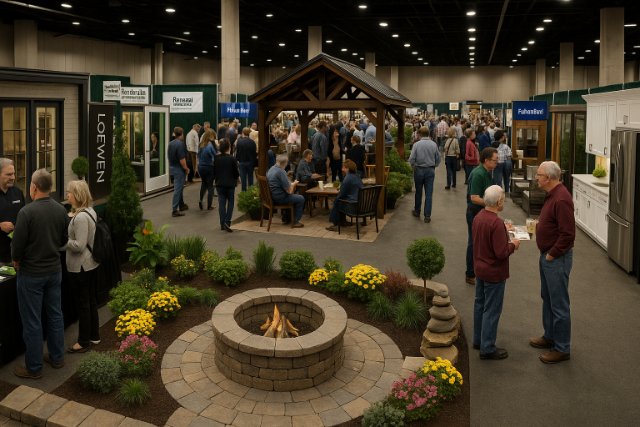
Exhibiting at a home and garden show can generate immense returns if approached strategically. The key is to treat the booth not as a static display but as an interactive experience that sparks conversation and captures leads.
Best Booth Practices:
- Design with flow and visual hierarchy place hero products at eye level.
- Integrate live demos or mini-workshops that attract foot traffic.
- Offer instant giveaways or QR code incentives for lead capture.
- Train booth staff in consultative selling, not hard pitches.
Costs vary depending on show size and booth type.
Average price ranges:
| Booth Size | Typical Cost (USD) | Inclusions |
| 10×10 ft (standard) | $1,500–$3,000 | Floor space, basic utilities, exhibitor listing |
| 20×20 ft (premium) | $5,000–$10,000 | Corner location, branding, electricity |
| Island booth | $12,000+ | Prime visibility, multiple entry sides, custom setup |
To ensure ROI, exhibitors must capture and follow up on leads systematically. Use CRM integrations or scanning apps to collect visitor data instantly. Post-event follow-ups emails, surveys, or promotional offers should occur within 48 hours while the interaction is fresh.
Case studies show that exhibitors who schedule onsite consultations or quote requests during the show achieve 2–3× higher conversions. The secret lies in educating, not selling visitors prefer booths that solve a problem or inspire a project vision.
Get the Most Out of Attending a Home and Garden Show
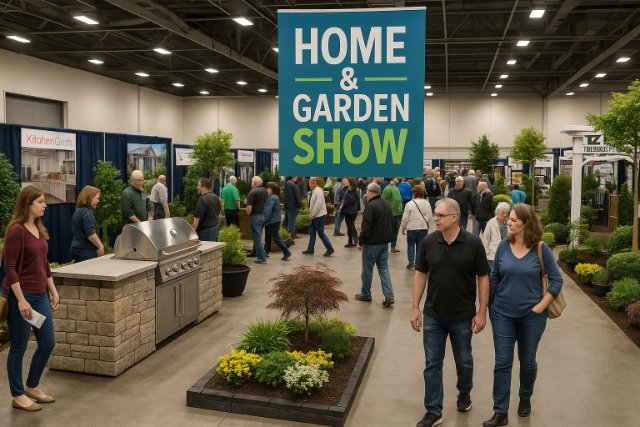
For visitors, attending a home and garden show is like stepping into a living catalog of possibilities. But to truly benefit, attendees should plan strategically.
Before arrival, research exhibitors, map the floor layout, and set a project goal whether finding kitchen remodel ideas or discovering native plant options. Bring photos or dimensions of your space to discuss with experts. Many shows publish mobile apps or exhibitor directories, allowing visitors to mark favorites and set reminders.
Budget planning is also essential. Entry tickets typically range from $10–$25, with discounts for early online registration. Attendees often find exclusive show-only promotions from brands offering installation packages, financing, or free consultations.
While on site, follow the zoning layout start with inspiration areas, then move toward product vendors. Attend keynote talks and DIY workshops to gain hands-on insights. Networking lounges and sponsor pavilions are great for professional collaboration or partnership exploration.
Post-show, review materials collected, follow social media channels for trend recaps, and sign up for exhibitor newsletters for future updates. Attending shows yearly helps track design evolution and maintain relationships with vendors.
Future Outlook: Hybrid and Sustainable Directions
The future of home and garden shows lies in hybrid formats and green operations. Since 2023, many major events have introduced virtual showrooms and live-streamed sessions for remote audiences. 3D exhibit tours and digital lead exchanges now extend value long after in-person dates end.
Sustainability is another defining factor organizers adopt zero-waste booth policies, digital ticketing, local sourcing for materials, and carbon offset programs. Exhibitors are judged not only by aesthetics but also by energy efficiency and lifecycle impact.
As climate awareness grows, themes like regenerative landscaping, urban gardening, and low-carbon construction will dominate. Hybrid events will ensure inclusivity while reducing travel emissions, reflecting a future where innovation and responsibility coexist.
Conclusion:
A home and garden show is far more than a weekend fair it’s an evolving ecosystem of design, technology, and sustainability. For exhibitors, it’s a measurable marketing platform that can yield strong ROI. For visitors, it’s a gateway to creativity and education. And for organizers, it remains a cornerstone event blending commerce, community, and inspiration.
As 2025 approaches, the shows that thrive will be those embracing digital integration, ecological values, and experiential engagement transforming how we imagine, build, and live in our homes and gardens.
FAQ’s
A home and garden show covers both indoor design and outdoor landscaping, while a home improvement fair usually focuses only on construction, renovation, and hardware.
Small booths start around $1,500, while premium setups exceed $10,000, depending on size, visibility, and sponsorship inclusions.
Top events include Toronto’s National Home Show, London’s Ideal Home Show, and Melbourne’s Flower & Garden Show, each drawing over 100,000 visitors.
Use bold branding, immersive lighting, and interactive demos. Offer an experience such as a VR home walkthrough or live planting station.
Not entirely, but they enhance accessibility. Hybrid models allow remote viewing, lead exchange, and digital networking while preserving in-person engagement.
Expect strong emphasis on biophilic interiors, sustainable gardens, and smart living technologies.
Send personalized emails or quotes within 48 hours, reference conversations, and offer limited-time deals or consultations.
Yes especially for local contractors or niche brands. Many gain long-term clients through exposure and relationship-based marketing at these shows.


