


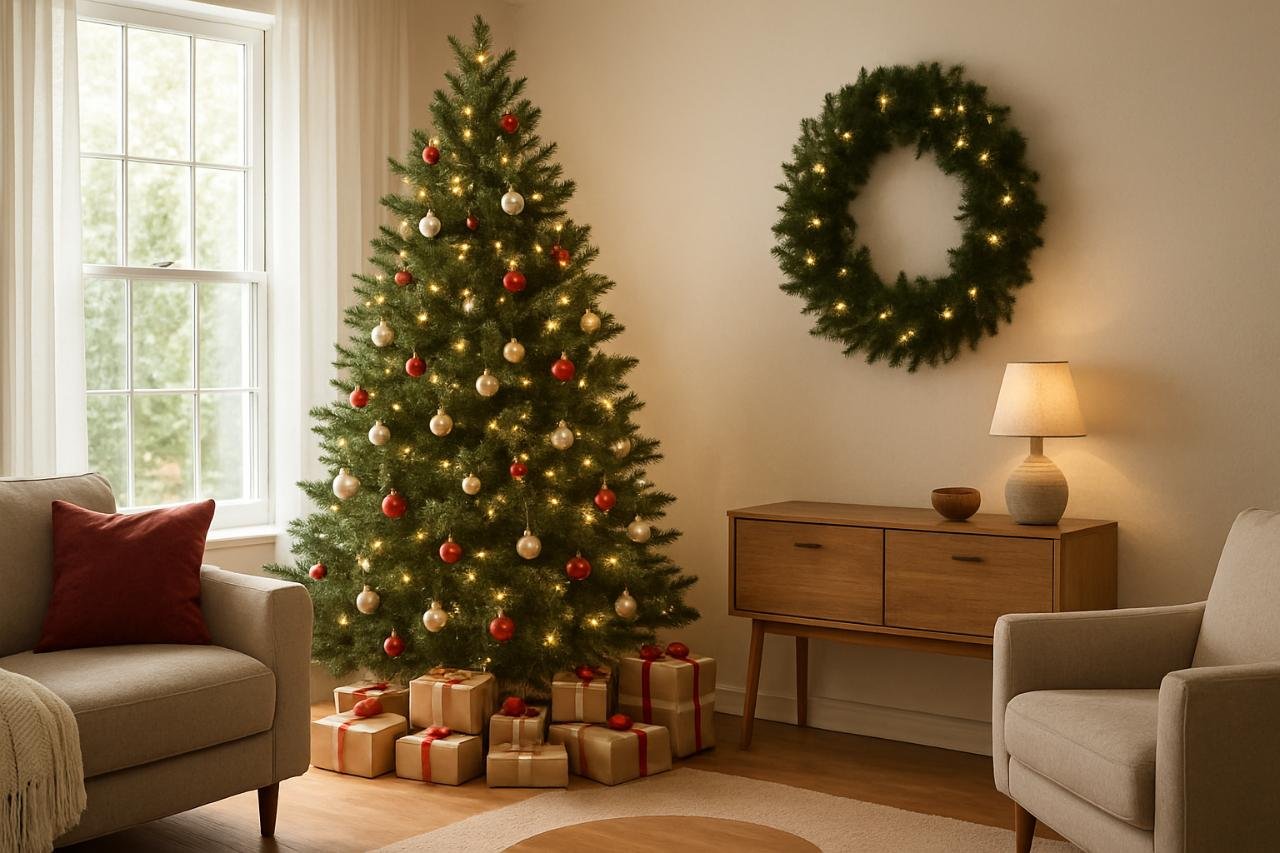
Choosing where to place a Christmas tree impacts both the aesthetics and the safety of your home. The right location enhances holiday spirit, keeps walkways clear, aligns with room layout, supports easy decorating, and avoids common fire or maintenance hazards. This comprehensive guide will help homeowners select the best Christmas tree location using principles from interior design, safety codes, and spatial harmony, while offering culturally respectful guidance for those considering Feng Shui or Vastu principles.
What are the Best Rooms for Placing a Christmas Tree in Your Home?

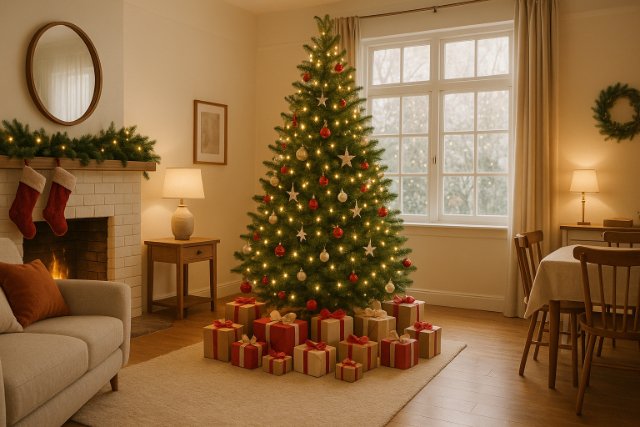
Room selection determines both the visibility and emotional impact of a Christmas tree. High-traffic rooms with balanced lighting and open layouts allow the tree to become a natural focal point. Choosing the right room helps connect the holiday display with everyday living while preserving space and comfort. Each room offers different advantages for display, interaction, and design cohesion.The most suitable rooms for Christmas tree placement are those with the most foot traffic, visibility, and space, typically including the living room, foyer, dining room, and sometimes even bedrooms for a cozy touch. Choosing the right room depends on layout, lighting, access to power outlets, and aesthetic goals.
Why the Living Room Often Makes the Best Choice
The living room generally serves as the central gathering space, making it ideal for showcasing the Christmas tree. Visibility from multiple angles and proximity to social activity ensures maximum enjoyment. Living rooms also tend to have open floor plans and ample space, supporting trees of varied sizes.
Advantages of the Entryway, Foyer or Hallway
Foyers and entryways serve as transitional zones and make strong first impressions. A well-placed tree in the entry adds holiday cheer immediately upon entering the home. Ensure enough clearance for guests and avoid obstructing the front door or coat storage areas.
Using the Dining Room as a “Feature” Tree Location
Dining rooms, especially those with bay windows or alcoves, offer striking backdrops for feature trees. When positioned strategically, the tree becomes part of the holiday tablescape. Avoid crowding chairs and ensure diners have enough elbow room.
Transforming Bedrooms into Cozy Holiday Spaces
In larger homes or for personalized celebrations, placing small or tabletop trees in bedrooms adds a cozy and private festive touch. This works especially well for children’s rooms or guest rooms during holiday stays.
How Should Room Layout and Flow Influence Tree Placement?
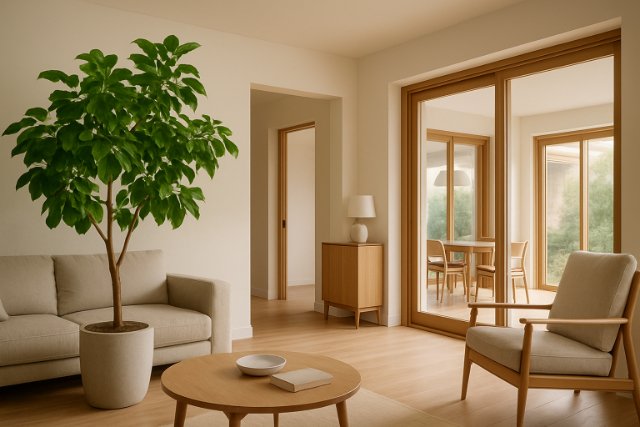
Room layout dictates how easily people navigate around the Christmas tree, while flow affects safety, comfort, and visual alignment. Placement should complement furniture positions, entryways, and ceiling heights. A tree should feel like a natural part of the room’s architecture, not an obstacle. Strategic planning enhances usability without sacrificing the festive mood.A room’s architectural layout directly affects Christmas tree placement. Open pathways, traffic flow, furniture arrangement, and ceiling height all determine how the tree integrates with the space.
How to Avoid Obstructing Walkways and Doors
Placement should never block doorways, windows, or common walkways. Maintain a 3-foot buffer around the tree to preserve circulation space. Use corner spaces or window alcoves to maintain open pathways.
How Furniture Arrangement Can Improve Visibility and Access
Rearranging sofas, chairs, or coffee tables can improve access to the tree for decorating and gifts. Align the tree with natural focal points like mantels or mirrors to draw visual balance. Ensure seating faces the tree without obstructing movement.
What Role Ceiling Height Plays
Ceiling height dictates tree size. A 7.5-ft tree typically fits in a standard 8-ft ceiling with 6 inches of clearance for a tree topper. Avoid placing trees near ceiling fans or pendant lighting. Tall ceilings accommodate larger trees but may require extra ornaments to maintain visual balance.
| Tree Height (ft) | Ceiling Height Required (ft) | Recommended Clearance (inches) |
| 5.5 | 7 | 6 |
| 6.5 | 8 | 6 |
| 7.5 | 9 | 6 |
| 9.0 | 10 | 6 |
Proper layout planning allows the tree to serve as a centerpiece without compromising space utility or aesthetics.
Which Locations Pose Fire or Safety Risks for Your Christmas Tree?
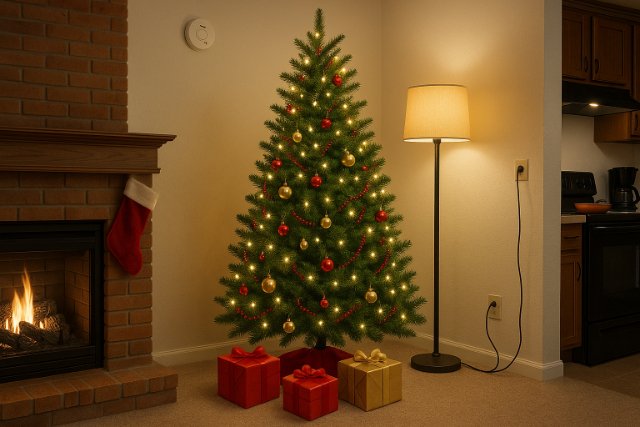
Tree placement near heat sources, vents, and overloaded outlets creates significant fire hazards. Real and artificial trees require proper spacing from fireplaces, radiators, and electrical wiring to prevent overheating, tipping, or fire. Understanding these risks ensures your tree remains a source of joy without compromising household safety during the holiday season.Safety hazards from poor placement include proximity to heat sources, overloaded outlets, and tripping hazards from cords. Correct distance from these sources and thoughtful setup can prevent fire, injury, or tree damage.
How Far From Heat (Fireplaces, Radiators, Vents) Should the Tree Be?
Maintain a minimum distance of 3 feet between the tree and any heat source. Real trees dry faster near heat, increasing fire risk. Artificial trees may warp or melt under direct heat. Avoid direct exposure to HVAC vents and space heaters.
Electrical Outlets: What to Check & How to Minimize Risk
Choose outlets with minimal shared load to prevent breaker trips. Avoid using extension cords across walkways. Use surge protectors and UL-certified lights. Secure cords behind furniture or along baseboards using clips.
Real Trees vs Artificial Trees: Location Differences
Real trees require water and avoid direct sun or heat to maintain freshness. Artificial trees are more flexible in placement but must stay away from intense heat. Placement for real trees should be near water access and away from drafts or radiators.
| Tree Type | Placement Concerns | Safety Tips |
| Real Tree | Watering needs, fire risk, sunlight damage | Keep away from heat, water daily, stable base |
| Artificial | Heat warping, electrical overuse | Avoid outlets overload, check wiring insulation |
Keep children and pets in mind secure the tree base and avoid hanging ornaments low to minimize tipping or accidental contact.
What Do Decoration Experts Suggest for Spotting Ideal Tree Locations?
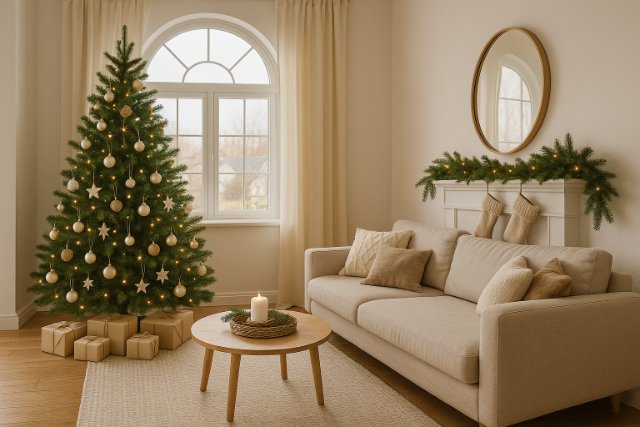
Design professionals recommend placing trees where they harmonize with room symmetry, lighting conditions, and focal points. A well-placed tree elevates the visual narrative of a space and amplifies holiday aesthetics. Expert placement also supports ease of decorating, improves photo composition, and maximizes the tree’s decorative impact within its environment.Interior decorators recommend choosing spots based on focal visibility, symmetry with room elements, and backdrop contrast. Strategic placement enhances both daytime beauty and nighttime lighting appeal.
Choosing a wall or corner that allows a 180-degree or 270-degree viewing angle gives more exposure while hiding less-decorated tree backs. Avoid overly cluttered backgrounds that dilute the visual impact.
Photographers recommend placing the tree opposite a light source for better family photo lighting. Decorators advise symmetry with windows or mantels, and contrasting walls or curtains to make the tree stand out.
How Does Tree Size Affect Where It Should Go?
Tree height, width, and shape determine compatibility with available room volume and layout. Oversized trees in small spaces can disrupt balance and flow, while undersized trees underwhelm large areas. Matching tree dimensions with ceiling clearance and surrounding furniture ensures visual harmony, practical setup, and functional holiday display space.Tree size including height and width should match room volume, ceiling clearance, and available floor space. Oversized trees can visually shrink a room, while undersized trees may look awkward in grand spaces.
A 7.5-foot tree with a 4-foot diameter suits most living rooms. Slim or pencil trees work best in narrow areas or between furniture pieces. Always leave 6 inches of clearance from the ceiling for toppers or lights.
Tree skirts and gifts also require surrounding space. Consider the tree’s footprint plus a 2-foot buffer on all sides for safe access and decorating.
How Can Natural Light and Windows Affect Upkeep and Appearance of Your Tree?
Tree placement near windows enhances visibility and daylight aesthetics but introduces maintenance challenges. Sunlight can fade ornaments and dry out real trees, while drafts may affect room temperature. Awareness of these environmental factors helps maintain tree condition and improve its long-term decorative appeal during the season.Sunlight and windows affect tree freshness, lighting display, and long-term durability. Trees near windows can create dramatic displays but also risk drying out or fading due to solar exposure.
Benefits and Drawbacks of Placing Near a Window
Placement near a front-facing window creates exterior appeal and visual drama. Natural daylight enhances ornaments
during the day. However, UV rays can fade colored décor, and real trees may dry out faster due to heat from glass panes.
How Sunlight or Drafts Can Damage the Tree
Consistent sunlight can dry real tree needles and cause shedding. Drafts from old windows can drop indoor temperatures or create inconsistent heat zones. Seal drafts and rotate the tree to reduce damage to one side.
How to Maintain Tree Freshness
Water real trees daily and use tree preservatives. Keep room temperature stable. For artificial trees, avoid direct light to preserve coloring. Use blackout curtains or sheer filters to balance lighting exposure.
Should Feng Shui or Vastu Principles Affect Where You Place Your Christmas Tree?
Traditional spatial philosophies like Feng Shui and Vastu influence room energy and balance. Incorporating these systems into holiday tree placement fosters emotional harmony, cultural respect, and intentional design. Direction, color coordination, and unobstructed flow enhance not only the visual appeal but also the perceived emotional and spiritual energy of your holiday decor.Cultural spatial philosophies like Feng Shui and Vastu Shastra guide placement based on directional energy flows. While not traditional to Christmas, many homeowners respect these principles for harmony and energy balance.
Feng Shui recommends placing the tree in the east or southeast corners for growth and wealth, or the south for fame and recognition. Avoid placing the tree in the center of the home (Tai Chi zone) to prevent energetic disruption.
Vastu suggests placing the tree in the northeast corner of the home, considered auspicious and tied to spirituality and mental clarity. Avoid placing trees in the southwest, which represents stagnation.
Ensure the tree does not block major doorways, mirrors, or altars. Use harmonious colors and natural materials to align with elemental balance.
What Are Smart Ideas for Small Spaces or Apartments?
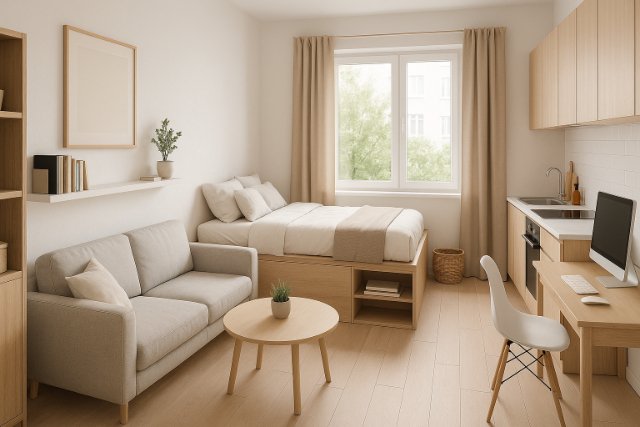
Compact homes require creative Christmas tree solutions that conserve space while preserving festive charm. Slim trees, wall-mounted alternatives, and dual-purpose furniture help integrate holiday decor without compromising utility. Strategic adjustments allow small-space dwellers to fully celebrate the season in a stylish, uncluttered, and efficient way.Apartment dwellers or small-home residents can optimize space with narrow trees, elevated platforms, and multifunctional furniture. Strategic tree choices and placements allow festive decor without overcrowding.
Choosing Narrow or Tabletop Trees
Slim or pencil trees occupy minimal floor space and fit well in corners or beside furniture. Tabletop trees on sturdy dressers or coffee tables create vertical impact while leaving floor area open.
Clever Corners & Multi-Tree Layouts
Corners near windows or between furnishings allow for trees without blocking flow. Using multiple mini trees in staggered locations can create ambiance without bulk. Floating wall trees or tree decals provide non-traditional alternatives.
Using Multi-Functional Furniture to Create Space
Ottomans, benches, and sideboards can double as tree stands. Modular shelving can act as display backdrops. Furniture with hidden storage helps conceal tree supplies or excess décor.
Conclusion
Christmas tree placement is both an art and a science, balancing visual appeal, spatial harmony, cultural values, and household safety. Ideal locations vary based on room function, tree size, lighting, safety zones, and personal preferences. Homeowners should prioritize open sightlines, secure spacing from hazards, and aesthetic positioning to elevate their holiday experience.
FAQ”s
Only if there’s at least 3 feet of clearance. Fireplaces pose drying and ignition risks for real and artificial trees.
Maintain a 3-foot distance to avoid drying out needles and increasing fire hazards.
Choose a tree 6-12 inches shorter than the ceiling height to accommodate toppers and prevent crowding
Yes. Sunlight may fade decor and dry real trees. Drafts can lower indoor temperatures and disrupt heating balance.
Use slim trees, tabletop models, or corner placements. Leverage vertical space and multifunctional furniture.
Yes, for energy alignment. Feng Shui favors southeast or south. Vastu suggests northeast corners. Avoid obstructing key energy flow paths.
Use grounded outlets, avoid overloading, and secure cords away from walkways. Use UL-certified lighting only.
Water daily, avoid heat exposure, keep away from sunlight, and ensure a stable stand to prevent tipping.


