


Highlights
- Choose the Right Bed Type: Match the bed type (manual, semi-electric, full-electric, or bariatric) to the patient’s care level, mobility, and comfort requirements.
- Support Faster Recovery: Adjustable positions relieve pressure, improve circulation, support breathing, and enhance sleep quality for patients.
- Protect Caregivers from Injury: Height-adjustable beds and side access reduce physical strain and make daily care tasks easier and safer.
- Essential for Long-Term Care: Full-electric beds and specialty mattresses are ideal for chronic conditions, aging patients, or post-surgical recovery at home.
- Comfort-Boosting Accessories: Overbed tables, pressure-relieving mattresses, and safety rails improve dignity, independence, and safety for patients.
- Maintenance Matters: Routine safety checks, electrical inspections, and daily cleaning prevent malfunctions and reduce infection risk.
- Prepare Emotionally and Practically: A supportive environment, clear family communication, and emotional readiness are critical for successful home care.
Introduction
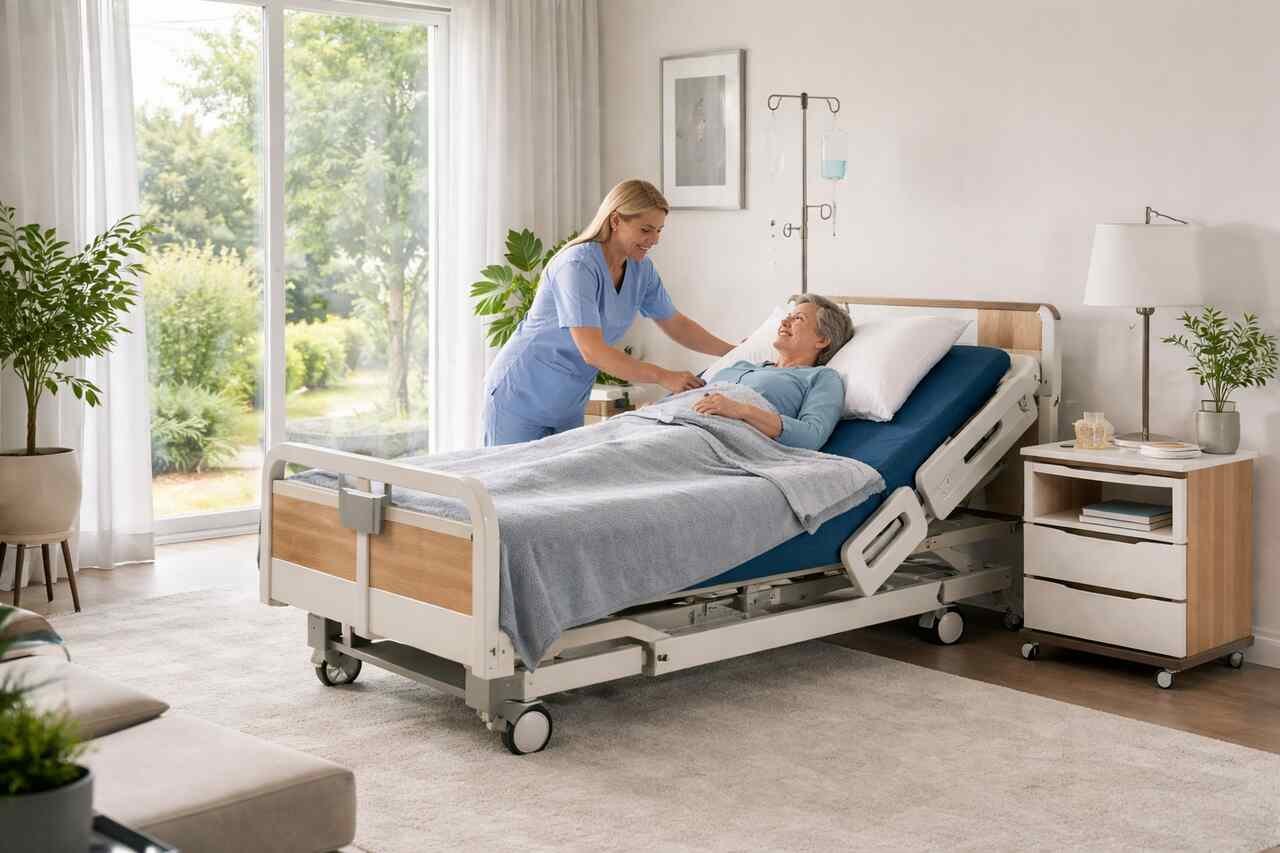
Home hospital beds have become essential in providing advanced care for patients who require prolonged medical support within the comfort of their homes. Whether recovering from surgery, managing chronic conditions, or dealing with aging-related immobility, these beds improve patient outcomes and caregiver convenience. The medical-grade features help in positioning, mobility, and health monitoring, while reducing physical strain on families and professional caregivers. Based on my experience assisting families with selecting and setting up hospital beds at home, I’ve learned how these specialized beds can change the entire caregiving experience. From comfort to clinical safety, the impact is deeply personal and highly functional.
What should you consider before buying a home hospital bed?
Choosing the right home hospital bed involves understanding patient-specific needs, available space, and long-term care plans. Medical needs such as pressure sore prevention, mobility assistance, or respiratory support can guide what features are non-negotiable. Full electric beds with advanced positioning can support both patient independence and caregiver efficiency.
In many conversations I’ve had with families, one key factor that often gets overlooked is room layout. The bed must allow clear access from at least two sides for caregivers to assist safely. Also, nearby electrical outlets and accessibility for emergency exits should be considered during placement. Most users also don’t think about flooring carpet can affect mobility for wheeled frames, so planning ahead helps.
Budget plays a big role too. Many insurance plans partially cover medical beds, but upgrades such as low air loss mattresses or extended weight capacities often come out of pocket. However, based on my experience, the right investment in patient comfort significantly reduces complications and rehospitalizations over time.
Medical Needs Assessment
Medical evaluation is the first step. Caregivers should consult a physician or home health provider to evaluate postural needs, weight support, and transfer assistance to avoid inadequate choices.
Space and Environment
A bed that’s too large, poorly positioned, or difficult to move creates hazards. Measure room dimensions and allow space for lifts, wheelchairs, and walking aids if applicable.
How do home hospital beds improve patient comfort and recovery?
Home hospital beds significantly reduce discomfort during long-term stays and support healing by offering adjustable positions that improve circulation, ease breathing, and prevent bedsores. Unlike standard beds, they provide micro-adjustments for head, leg, and height settings that cater to unique medical situations.
I once worked with a family where the patient had post-operative respiratory issues. A hospital bed with head elevation control helped prevent aspiration and enabled restful sleep. These positional features are not just luxuries they’re medically necessary. Many beds now also include trendelenburg or reverse trendelenburg functions for patients with fluid retention or orthopedic conditions.
Beyond posture, surface comfort also matters. Specialty mattresses designed for pressure relief, like alternating pressure or memory foam overlays, reduce the need for frequent repositioning. Caregivers experience less physical strain, and patients feel dignified and supported throughout their recovery.
Adjustable Positioning
Electric positioning lets patients shift easily without assistance. Settings like Fowler’s position help with breathing, digestion, and wound healing.
Pressure Relief Surfaces
Mattress types like low air loss, gel overlays, and memory foam offer targeted pressure redistribution to prevent ulcers and increase sleep quality.
Which types of home hospital beds are available?
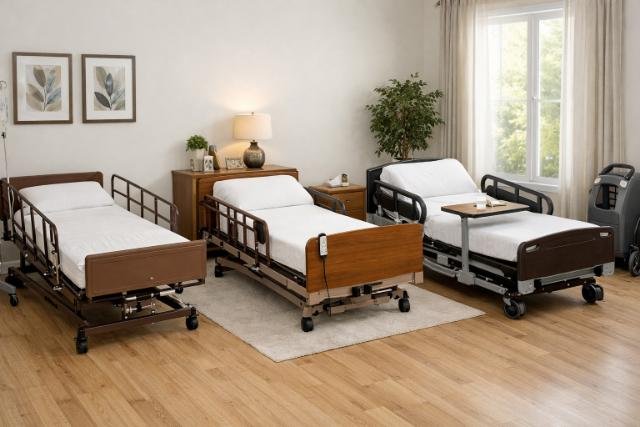
There are four main types of home hospital beds: manual, semi-electric, full-electric, and bariatric beds. Each serves different levels of care and budget. Manual beds require physical effort to adjust, while full-electric beds allow total control via a handheld remote.
In my experience helping people choose, full-electric beds are the most popular due to their ease of use. Elderly patients or those with progressive conditions appreciate not needing caregiver intervention every time they want to sit up or elevate their legs. Bariatric beds are specifically designed for patients requiring a higher weight capacity and wider frame.
Specialty beds, such as low beds for fall prevention or ICU-grade beds for complex care, are also increasingly used at home. However, choosing the right one depends on matching the mechanical capabilities to the individual’s physical, medical, and psychological condition.
Manual vs. Electric
Manual beds are cost-effective but physically demanding for caregivers. Electric beds provide convenience, independence, and safety with push-button adjustments.
Bariatric and Specialty Models
Bariatric models accommodate higher weight with reinforced frames and wider surfaces. Specialty designs include ultra-low beds for fall prevention and advanced ICU-style beds.
What role do mattresses and accessories play in patient health?
Mattresses and accessories directly influence the quality of life for bed-bound individuals. They help manage complications like ulcers, joint stiffness, or temperature regulation. While many overlook these components, I’ve seen how the right mattress can drastically reduce hospital visits.
Choosing a proper mattress depends on factors like incontinence, mobility limitations, and skin sensitivity. Alternating pressure mattresses use air cells that shift pressure points regularly, reducing the risk of bedsores. Memory foam and gel layers contour to the patient’s body and provide long-lasting comfort.
Accessories like overbed tables, side rails, trapeze bars, and mobility aids enhance safety and autonomy. Families I’ve worked with often appreciate a combination of safety rails and comfort aids, allowing loved ones to sleep soundly without unnecessary caregiver intervention at night.
Pressure Management Mattresses
These mattresses alternate or redistribute pressure to support skin integrity, especially for users unable to reposition themselves.
Bedside Accessories
Support rails, trapeze bars, and overbed tables help patients perform tasks like eating, reading, or adjusting their posture independently.
How do home hospital beds help caregivers?
Hospital beds reduce physical strain on caregivers by offering height adjustability, side access, and safe patient repositioning. Working with families, I’ve seen caregivers suffer back injuries from helping loved ones in standard beds. Home medical beds make care safer and more sustainable.
Height adjustments reduce the need for bending, making daily hygiene, feeding, and dressing tasks less demanding. Beds that can lock at an optimal working height prevent accidents. Also, adjustable beds allow multiple caregivers, including nurses, to coordinate care easily without needing extra lifting devices every time.
Communication between patient and caregiver also improves. When patients can move themselves or signal clearly using bed controls, dependence is reduced. That independence empowers both the caregiver and the individual being cared for.
Height Control and Safety
Height adjustability enables ergonomic working conditions for caregivers, reducing injury risk during patient handling.
Enhanced Communication
Integrated remotes and call systems foster autonomy and easier two-way communication, improving care efficiency and response time.
What maintenance and safety protocols are required?
Home hospital beds must be regularly checked for mechanical function, cleanliness, and electrical safety. I always recommend creating a maintenance checklist for families, as failure in any bed component can lead to injury or health complications.
Monthly checks should include tightening bolts, inspecting rails, and testing motor functions. Daily cleaning and infection control become especially important when patients are incontinent or immunocompromised. Use antimicrobial wipes on frequently touched areas like remotes and rails.
Power backups and surge protectors protect electronics during outages. During my consultations, I suggest families perform a power-loss test monthly to ensure that battery backups and manual overrides work correctly during emergencies.
Routine Mechanical Checks
Lubrication of moving joints, inspection of motors, and checking of remote responsiveness ensure uninterrupted functioning and patient safety.
Hygiene and Electrical Safety
Sanitizing surfaces and ensuring surge protection or battery backups prevent infection spread and electronic failures.
How can families prepare emotionally and practically for in-home medical care?

Transitioning to home care changes household dynamics. I often tell caregivers that emotional readiness is just as crucial as physical preparation. Setting up a home hospital bed often signifies a new caregiving chapter, one that requires emotional resilience and teamwork.
Involving family members in setup and education about the bed’s features creates shared responsibility. Patient dignity improves when the environment feels familiar and non-clinical, so I advise using comforting bedsheets, good lighting, and personal decorations.
Finally, practical support such as training with equipment, creating care schedules, and establishing routines makes the shift smoother. Emotional burnout is real, and preparing both mind and space can make the journey more sustainable.
Family Communication and Education
Caregiving success improves when everyone understands how to use the bed and shares tasks in rotation to avoid burnout.
Environment Setup
Soothing colors, proper lighting, and easy-to-reach call devices help patients feel secure, respected, and comfortable.
Comparison of Home Hospital Bed Types
| Bed Type | Adjustment Method | Ideal For | Common Features |
| Manual | Hand cranks | Short-term or budget care | Side rails, adjustable head/foot areas |
| Semi-Electric | Motor + Manual | Moderate care needs | Electric head/foot; manual height adjust |
| Full-Electric | Fully motorized | Long-term or complex care | Full adjustability with remote |
| Bariatric | Fully motorized | Higher weight patients | Wider frame, reinforced structure |
Recommended Mattress Options for Different Medical Needs
| Mattress Type | Best For | Key Benefits |
| Alternating Pressure | Immobile patients with ulcer risk | Constant pressure changes prevent sores |
| Gel Overlay | Moderate risk patients | Temperature regulation, body contouring |
| Memory Foam | General comfort, orthopedic support | Contours to shape, supports spine |
Conclusion
Home hospital beds redefine what caregiving at home looks like. The blend of comfort, medical-grade support, and caregiver relief creates a sustainable care environment that empowers both patient and family. Whether you’re transitioning from hospital to home or planning for long-term support, investing in the right bed ensures quality of life, medical safety, and emotional peace. From my direct involvement with home caregivers, I know the decision may seem overwhelming but with the right guidance, it becomes a life-enhancing step.
FAQ’s
A home hospital bed allows mechanical adjustments for height, head, and leg positions to support medical needs, while regular beds do not provide therapeutic positioning or caregiver convenience.
Basic models may be partially covered with a doctor’s prescription. Upgrades and accessories are often out-of-pocket, depending on policy terms and medical necessity.
Yes, many medical equipment suppliers offer rental options for short-term needs, which include setup, maintenance, and pickup services.
Most use standard outlets, but surge protectors and battery backups are strongly recommended for safety and emergency use.
With regular maintenance, a high-quality hospital bed can last 7 to 10 years or more, depending on usage and care conditions.
