


Highlights
● Clear guidance on how to respond when severe tooth pain feels unbearable at home
● Practical steps to reduce pain and infection risk without performing unsafe procedures
● Honest discussion from my experience talking directly to you about what helps and what harms
● Actionable steps to decide when home care is acceptable and when urgent dental care is required
● Safety focused approach that prioritizes your health over risky shortcuts
● Structured steps with clear explanations you can follow calmly in an emergency
Introduction
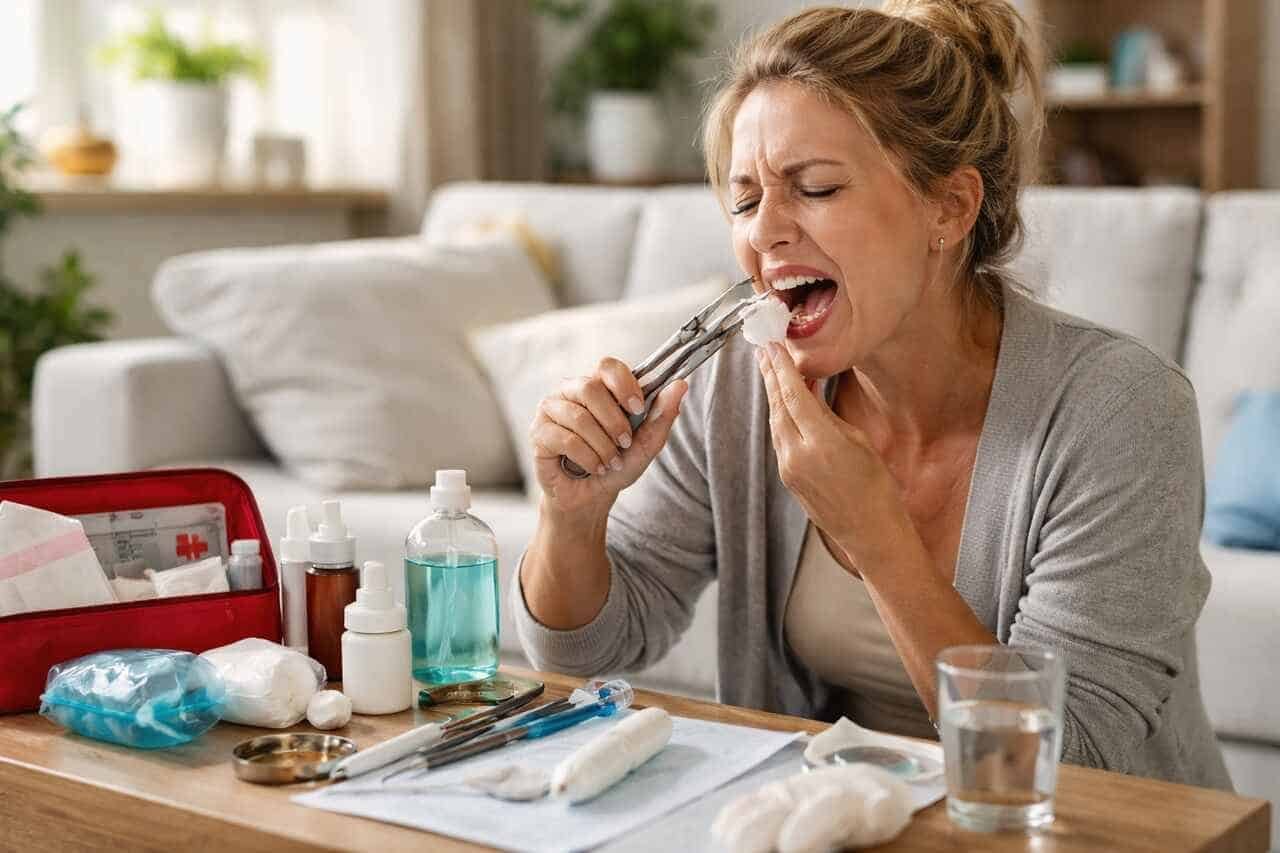
Emergency tooth pain creates panic, stress, and a strong urge to fix the problem immediately. I know this feeling well because I have been there, awake at night, holding my jaw, thinking about pulling a tooth just to make the pain stop. This article exists to talk to you honestly about emergency tooth extraction at home, what you can safely do, what you must avoid, and how to protect yourself when professional care is delayed. I am speaking to you directly because clarity and calm thinking matter most in these moments.
Assess the Severity of the Dental Emergency
The first thing I always tell people is to slow down and evaluate what is really happening. Not every severe toothache means a tooth must be removed immediately, and misjudging the situation can make things far worse.
Pain intensity alone does not define an emergency. Swelling that spreads, fever, pus, facial asymmetry, difficulty breathing, or bleeding that will not stop signal a serious condition. These signs mean home intervention is unsafe and urgent dental or medical care is required.
Many people confuse nerve pain, gum infection, or cracked enamel with a tooth that must come out. In my experience, once you understand what you are dealing with, the urge to attempt removal often decreases because safer options become clear.
Identify Dangerous Warning Signs
A dental emergency becomes medical when infection spreads beyond the tooth. Swelling under the jaw, rapid heartbeat, fever, or trouble swallowing indicate systemic involvement.
If you notice numbness, a bad taste with continuous drainage, or pain radiating into the neck or ear, do not delay. These symptoms require immediate professional intervention, not home solutions.
Distinguish Pain From Structural Damage
Sharp pain when biting often indicates a crack rather than a loose tooth. Throbbing pain that worsens when lying down usually points to pressure buildup from infection.
Loose baby teeth in children differ completely from adult teeth. Adult teeth rarely loosen safely, and attempting removal at home risks nerve damage and uncontrolled bleeding.
Reduce Pain and Inflammation Safely at Home
When pain feels overwhelming, your goal should be stabilization, not extraction. I learned that controlling inflammation and pressure can dramatically reduce suffering and buy you time.
Cold compresses applied to the cheek reduce swelling and dull nerve response. Saltwater rinses help cleanse the area and reduce bacterial load without irritation.
Pain relief works best when combined approaches are used consistently rather than aggressively. Gentle care protects surrounding tissue and prevents worsening infection.
Use Temporary Pain Relief Methods
Over the counter pain relievers, taken according to label instructions, can reduce inflammation. Avoid mixing medications or exceeding recommended doses.
Clove oil applied carefully to the gum can numb localized pain for short periods. Use minimal amounts to avoid irritation or chemical burns.
Avoid Actions That Increase Damage
Heat applied to the face increases blood flow and swelling. This often intensifies pain rather than relieving it.
Probing the tooth with sharp objects or pressing on swollen gums introduces bacteria and increases trauma. I have seen this turn manageable pain into a dangerous infection quickly.
Control Infection Risk Without Tooth Removal
Infection management is where many people make critical mistakes. Removing a tooth does not eliminate infection if bacteria have already spread into surrounding tissue.
Keeping the area clean and limiting bacterial growth is the safest home focused approach. This reduces pressure and can make professional treatment more effective later.
From my experience, people who focus on cleanliness and inflammation control feel relief faster than those who attempt mechanical solutions.
Clean the Mouth Gently and Consistently
Rinse with warm saltwater several times daily to flush debris. Avoid aggressive swishing that can reopen inflamed tissue.
Soft brushing around the area prevents plaque buildup without causing bleeding. Use a clean toothbrush and replace it after infection improves.
Support the Body’s Immune Response
Hydration supports circulation and healing. Dehydration thickens blood and slows immune response.
Adequate rest and reduced sugar intake limit bacterial growth. These small changes can noticeably reduce pain within 24 to 48 hours.
Avoid Unsafe Tooth Extraction Attempts
This step matters more than any other. I want to be very clear with you here because honesty saves health and sometimes lives.
Pulling an adult tooth at home is dangerous. It risks broken roots, jaw fracture, nerve damage, and uncontrollable bleeding. These outcomes often require emergency surgery afterward.
I have spoken with people who tried it and regretted it deeply. Pain increased, infection worsened, and costs multiplied. Avoiding this step protects you even when discomfort feels unbearable.
Understand the Real Risks Involved
Adult teeth have deep roots anchored in bone. Without proper tools and imaging, removal is blind and unpredictable.
Bleeding disorders, unnoticed infections, or root fractures can escalate quickly and become life threatening without immediate care.
Recognize Common Myths and Mistakes
Using pliers, string, or twisting motions does not replicate professional techniques. These methods tear tissue rather than releasing the tooth.
Alcohol or numbing sprays do not make extraction safe. They only mask pain while damage continues underneath.
Decide When Immediate Professional Care Is Necessary
Knowing when to stop home care and seek help is a critical skill. Pain tolerance should not guide this decision. Physical signs should.
If symptoms worsen after 24 hours of home stabilization, professional care becomes urgent. Delays increase complications and recovery time.
I always tell readers that choosing help early is not failure. It is smart, protective decision making.
Monitor Progress and Red Flags
Reduction in swelling and pain indicates stabilization. Increasing redness, heat, or discharge indicates escalation.
Bleeding that does not slow after gentle pressure for 20 minutes requires urgent attention.
Choose the Right Care Option Quickly
Emergency dental clinics, urgent care centers, and hospital emergency rooms all serve different roles. Severe swelling or breathing difficulty belongs in a hospital setting.
Dental pain without systemic symptoms can often be managed by emergency dentists even after hours.
Prepare for Safe Professional Extraction
If extraction becomes unavoidable, preparation reduces fear and complications. Home care should aim to make professional treatment safer and easier.
Stabilizing infection before removal improves outcomes and reduces post procedure pain.
I have found that patients who prepare thoughtfully feel more in control and recover faster.
Gather Health and Symptom Information
Write down symptom onset, pain patterns, and swelling changes. This helps the provider act quickly.
List medications taken and any allergies. Accurate information prevents complications during treatment.
Protect the Area Until Treatment
Avoid chewing on the affected side. Use soft foods and maintain oral hygiene without pressure.
Continue cold compress use if swelling persists but stop once swelling subsides to avoid stiffness.
Recover Safely After Emergency Dental Care
Recovery does not end when the tooth is addressed. Proper aftercare prevents secondary infections and promotes healing.
Following instructions exactly matters more than pain tolerance. Overdoing activity or ignoring rest prolongs discomfort.
From my experience, patients who respect recovery guidelines heal faster and avoid repeat visits.
Support Healing in the First 72 Hours
Rest, hydration, and gentle care protect blood clots and tissue repair. Avoid smoking or drinking through straws.
Soft foods and gradual return to normal eating reduce irritation and bleeding risk.
Watch for Post Treatment Complications
Dry socket, increasing pain after initial improvement, or foul odor requires prompt follow up.
Persistent swelling or fever after treatment should never be ignored.
Conclusion
Emergency tooth extraction at home feels tempting when pain takes over, but safety must always come first. Through experience and careful evaluation, I have learned that stabilization, pain control, and infection management protect you far better than risky attempts at removal. When you focus on calm assessment and smart decisions, you preserve your health and make professional care more effective. Your goal is not to fix everything alone, but to get through the emergency safely and intact.
FAQ’s
No. Adult tooth removal carries high risk and should only be done by trained professionals with proper equipment.
Looseness often comes from infection or bone loss. This still requires professional evaluation to prevent complications.
Home care should only be short term. If pain or swelling does not improve within 24 hours, seek professional help.
No. Attempting drainage spreads infection and increases risk of severe complications.
Trying to permanently fix the problem at home instead of stabilizing and seeking care.
Pain relief masks symptoms but does not resolve infection or structural damage. Monitoring progression is essential.
