


Introduction
Jeneva Rose’s Home Is Where the Bodies Are is more than just another domestic thriller it is a layered exploration of how family secrets shape identity, memory, and loyalty. Published in April 2024, this novel quickly captured the attention of readers who crave tightly wound suspense combined with emotional depth. The story revolves around three siblings Beth, Nicole, and Michael who reunite after tragedy only to unearth a chilling VHS tape that forces them to question everything they thought they knew about their parents. Beyond its gripping plot, the book functions as a metaphor for the buried truths that lie beneath the surface of family life, making it both a compulsive read and a thought-provoking narrative.
What Is the Plot of Home Is Where the Bodies Are?

The novel begins with siblings Beth, Nicole, and Michael returning to their childhood home in Wisconsin after their mother Laura’s decline in health. While sorting through old belongings, they discover a VHS tape that seems at first like a relic of family nostalgia. Instead, it reveals their father Brian dragging a lifeless body into the woods. This discovery ignites a chain of questions that unravel long-buried family history.
The story moves across dual timelines: the siblings’ present-day attempts to reconcile what they’ve uncovered, and fragmented flashbacks that suggest their family’s seemingly ordinary past was filled with tension, betrayal, and unspoken trauma. Each sibling reacts differently Beth with suspicion, Nicole with denial, and Michael with obsession creating friction that mirrors the disintegration of their trust.
This multi-layered structure keeps readers hooked not only by the mystery of Brian’s crime but also by the psychological suspense surrounding how each sibling interprets the past. The VHS tape acts as both a literal clue and a metaphor for selective memory, forcing readers to ask how much of family history is remembered versus repressed.
How Do the Siblings Reunite Under Tragedy?
Beth, Nicole, and Michael come together only because of Laura’s health crisis, a tragedy that acts as the emotional catalyst for the story. The reunion is strained from the start: Beth has remained closest to home, carrying both resentment and responsibility; Nicole has drifted furthest, escaping into distance and denial; Michael, haunted by addiction and self-destructive tendencies, embodies the family’s fractured legacy.
The emotional weight of returning to their childhood home makes their reunion less about comfort and more about confrontation. Their conversations oscillate between nostalgia and hostility, reflecting unresolved sibling rivalries and unspoken grief.
This domestic setting reinforces the novel’s core tension: while “home” should symbolize safety and belonging, here it becomes a site of dread and revelation. The siblings’ uneasy reunion sets the stage for the VHS tape to function not as an anomaly but as the confirmation of what they subconsciously feared about their family all along.
What Secret Does the Vhs Tape Expose?
The VHS tape is the novel’s central object and narrative engine. On its grainy footage, Brian their father appears to dispose of a body. The ambiguity of the tape forces the siblings, and the readers, to question not only what happened but whether their memories of Brian as a father align with this new, horrifying image.
The tape represents more than just physical evidence: it exposes the fragility of memory and the unreliability of perception. Did Laura know? Was Brian protecting or destroying the family? The siblings’ conflicting interpretations of the tape fracture their already fragile unity.
As a motif, the VHS tape connects to themes of memory distortion and the permanence of recorded truth. Unlike their shifting recollections, the tape offers a fixed image, yet even that is subject to doubt, interpretation, and denial. This tension drives the psychological suspense forward, forcing readers to consider how much of family history is constructed versus documented.
Who Are the Main Characters and How Do Their Arcs Evolve?
Beth
Beth is pragmatic and anchored, yet her sense of responsibility borders on resentment. She has stayed closest to her mother and childhood home, giving her a clearer view of its dysfunction but also trapping her within its shadow.
Nicole
Nicole represents denial and escape. By physically distancing herself from the family, she has tried to avoid confronting her past. The VHS tape forces her to reconsider whether distance equates to freedom.
Michael
Michael is the most haunted, his addiction struggles reflecting the family’s buried trauma. His fixation on uncovering the full truth reveals both courage and self-destructive obsession.
Laura & Brian
Laura’s silence and Brian’s hidden life embody the generational weight of secrets. Laura’s role is especially ambiguous did she enable, ignore, or simply endure the family’s darkness? Brian, meanwhile, exists both as memory and as the shocking image on tape, complicating how his children define him.
Together, these arcs mirror the novel’s core question: how do children reconcile love for their parents with the darkness they may conceal?
What Themes and Symbols Run Through the Story?
The novel weaves recurring themes that elevate it beyond a standard thriller.
- Family secrets – The central driving force, shaping identity and trust.
- Memory and guilt – Explored through flashbacks, denial, and the permanence of the VHS tape.
- Addiction and escape – Embodied in Michael’s struggles and Nicole’s avoidance.
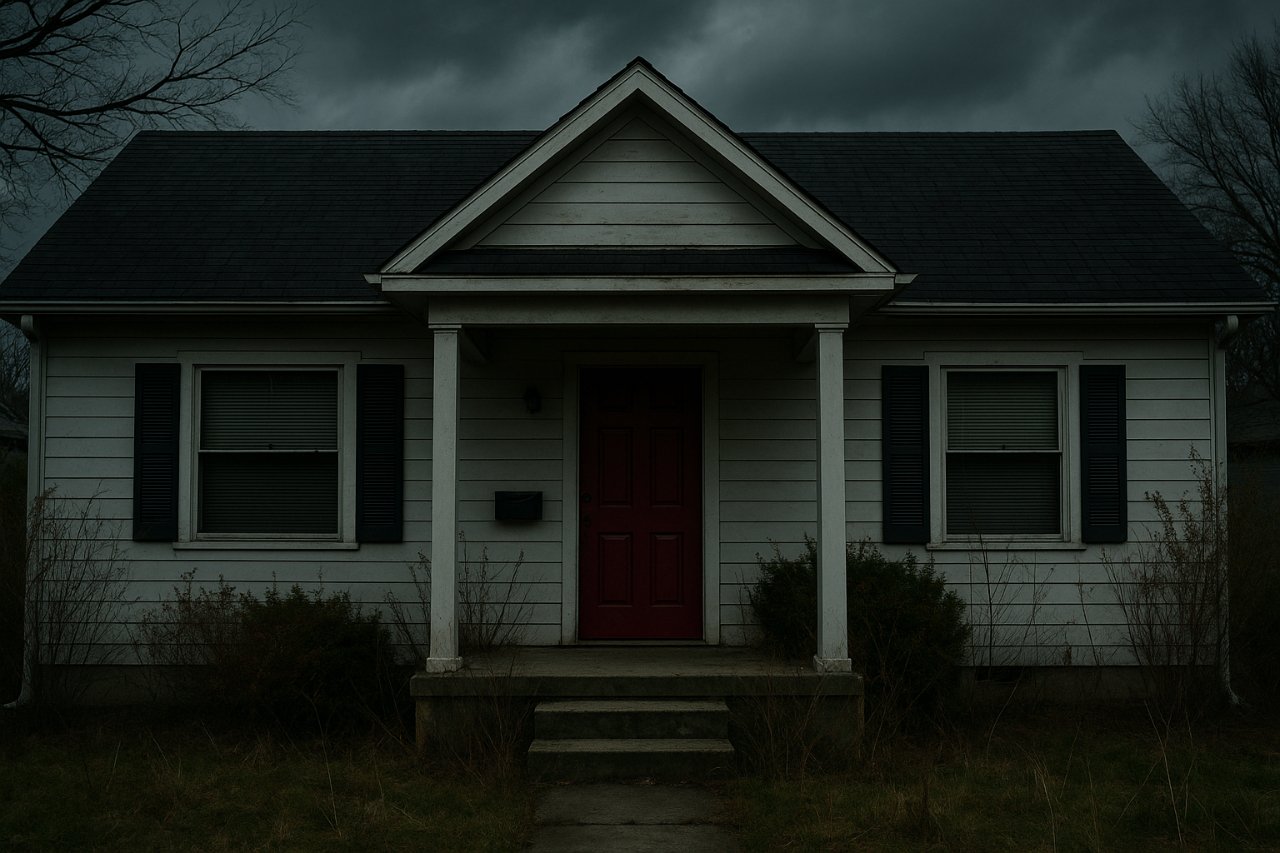
- Home as a haunted space – The Wisconsin house becomes a living character, holding memories and truths.
Symbolically, the VHS tape is the clearest motif, but so too are domestic objects the kitchen, the attic, the woods each acting as a container for secrets. The title itself is symbolic: “home” representing both belonging and confinement, “bodies” signaling both literal victims and metaphorical emotional baggage.
How is “home” Used as a Motif?
Home in this novel functions not as sanctuary but as prison. For Beth, it is responsibility; for Nicole, it is escape; for Michael, it is an inescapable weight. The childhood home’s walls echo with unresolved trauma, making “home” the place where both memory and evidence converge.
This inversion of domestic safety is central to the domestic thriller genre, yet Rose amplifies it by making the house not just a backdrop but a container of physical evidence (the tape) and psychological residue. The novel asks: do we ever really leave home, or does home carry us, body by body, into adulthood?
How Does Narrative Structure Affect Reader Perception?
Jeneva Rose uses multiple POVs and time shifts to control how readers experience the unraveling mystery. Each sibling offers a different lens, creating contradictions and gaps that heighten suspense.
The use of flashbacks blurs the line between memory and fact, while time jumps create disorientation that mirrors the characters’ mental states. Readers must actively piece together events, making them complicit in the act of uncovering truth.
This structure ensures that the novel is not only about what happened but about how we perceive what happened a key hallmark of unreliable narration.
How Has the Novel Been Received by Critics and Readers?
Early reviews highlight the novel’s fast pacing, gripping premise, and psychological depth. Many praise Rose for balancing suspense with emotional resonance, particularly in how she develops sibling dynamics.
Critics note that the use of multiple POVs makes the novel engaging, though some readers find the shifting timelines disorienting. Others applaud this very feature, arguing that it mirrors the fragmentation of family memory.
Commercially, Home Is Where the Bodies Are has performed strongly within the domestic thriller niche, appealing to fans of Lisa Jewell, Shari Lapena, and other authors of psychological suspense.
How Does Home is Where the Bodies Are Compare to Similar Novels?
The novel shares thematic DNA with domestic thrillers like Then She Was Gone by Lisa Jewell and The Couple Next Door by Shari Lapena, where ordinary family settings mask dark secrets. Like Gillian Flynn’s Sharp Objects, it uses home as a haunted site of unresolved trauma.
However, Rose distinguishes her work through the VHS tape device and the emphasis on sibling relationships rather than marital ones. While many domestic thrillers focus on husbands and wives, this novel expands the scope to intergenerational and sibling tensions, adding fresh complexity to the genre.
How Can One Use “home is Where the Bodies Are” as a Metaphor?
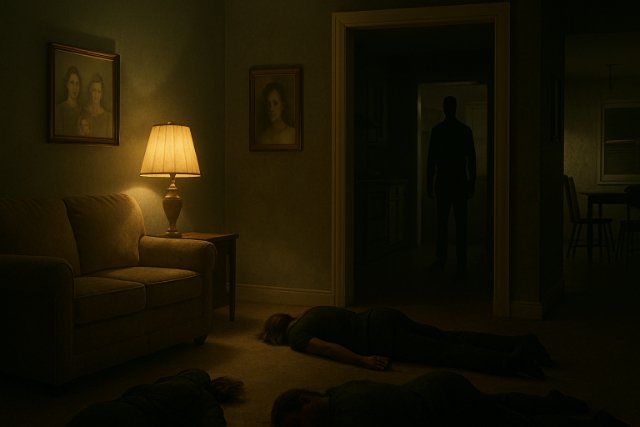
Beyond the novel, the phrase resonates as a metaphor for the hidden darkness that lurks in seemingly ordinary households. It can describe families burdened by unspoken trauma, institutions hiding corruption, or even personal identities layered with suppressed memories.
Its rhetorical power lies in its inversion of the comforting phrase “home is where the heart is.” By replacing “heart” with “bodies,” Rose transforms a cliché of belonging into a metaphor for secrecy, guilt, and the cost of love.
In cultural and literary contexts, this phrase can be applied to discussions of generational trauma, the psychology of memory, and the duality of domestic life.
Conclusion
Home Is Where the Bodies Are by Jeneva Rose stands out in the domestic thriller genre by intertwining a gripping mystery with deep metaphorical resonance. Through the siblings’ discovery of a VHS tape, the novel forces readers to confront the complexity of memory, the burden of secrets, and the ambiguity of familial love. Its layered themes, shifting structure, and symbolic depth ensure that it is not only a compulsive page-turner but also a work ripe for analysis. Whether read as a chilling thriller or as a metaphorical exploration of home and trauma, the novel leaves readers haunted long after the final page.
FAQ’s
The novel is written by Jeneva Rose, bestselling author of The Perfect Marriage.
The title functions both literally, referencing a body disposal, and metaphorically, symbolizing hidden family secrets.
The siblings discover a VHS tape revealing their father involved in a potential murder, forcing them to question their entire family history.
The novel alternates between multiple sibling perspectives and uses fragmented timelines to build suspense.
The story is set in a small town in Wisconsin, amplifying the claustrophobic domestic atmosphere.
Yes fans of Lisa Jewell, Shari Lapena, and Gillian Flynn will find thematic similarities in other domestic thrillers exploring hidden family trauma.
