


Introduction
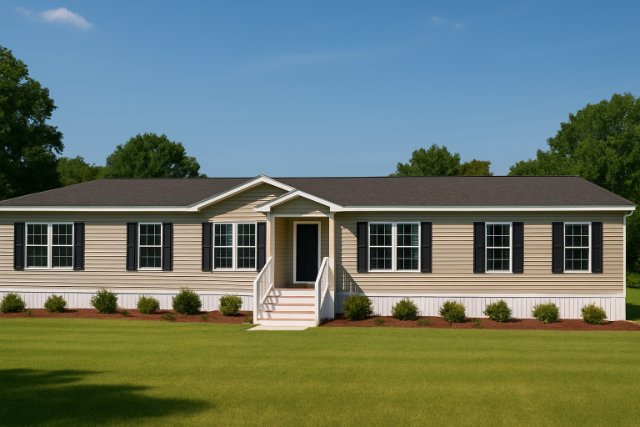
Triple wide mobile homes represent one of the largest and most flexible options in the manufactured housing market. Unlike single wide or double wide homes, a triple wide consists of three separate modules that are delivered and joined together on a prepared site, resulting in spacious interiors often rivaling traditional site-built houses. For families seeking large open floorplans, extra bedrooms, or expanded living areas without committing to conventional stick-built construction, triple wide homes can be an attractive solution. However, they also bring unique costs, logistical challenges, and regulatory considerations that buyers should understand before making a decision.
Understand What Defines a Triple Wide Mobile Home
A triple wide mobile home is built from three factory-manufactured sections transported individually and joined onsite. Each section typically measures up to 16 feet wide, depending on transport regulations. Once placed together, the modules form one cohesive structure, usually ranging between 2,000 and 3,500+ square feet.
Unlike modular homes, which must conform to local building codes, triple wide mobile homes are regulated under the HUD Code (the federal standard for manufactured housing). This distinction affects financing, installation, and resale options. While modular homes are considered the same as site-built houses, manufactured homes including triple wides often face stricter zoning and appraisal differences.
The key element distinguishing a triple wide from single or double wide units is sheer size. Triple wides enable wider living rooms, expansive kitchens, and master suites that are difficult to achieve in narrower formats. This additional space opens the door to luxury-style floorplans while retaining the affordability and efficiency of prefabricated construction.
Evaluate the Advantages of Choosing a Triple Wide
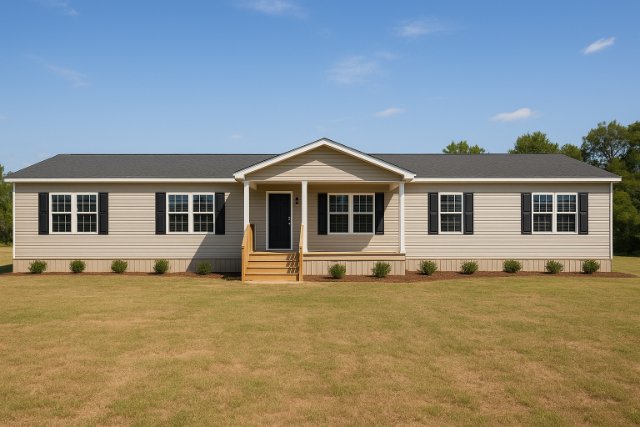
The primary appeal of triple wide mobile homes is space and design flexibility. Larger families or homeowners who value open-concept living can benefit from floorplans that support multiple bedrooms, bonus rooms, home offices, or even entertainment areas.
Additional advantages include opportunities for customization. Many builders allow buyers to adjust room layouts, select finishes, or add features such as porches, fireplaces, or energy-efficient upgrades. Triple wides can also offer higher ceilings and larger window configurations compared to smaller manufactured homes.
From a lifestyle perspective, triple wides can suit a wide variety of use cases: retirement homes with extra guest space, multi-generational households, or families seeking suburban-style living without the cost of stick-built construction. In rural areas, they can even rival ranch-style homes in footprint and design, while still being delivered and assembled in weeks instead of months.
Consider the Downsides and Challenges
The main drawback of a triple wide is complexity in transport and installation. Moving three oversized sections to a site often requires multiple trucks, specialized permits, and sometimes even police escorts or road closures. This increases delivery costs compared to single or double wides.
Zoning restrictions also pose a challenge. Some municipalities limit where manufactured homes can be placed or impose stricter requirements for larger units. Buyers must secure permits, confirm foundation compatibility, and sometimes undergo additional inspections.
Finally, resale values for triple wides may not match those of modular or site-built homes. While a well-maintained triple wide can hold value better than smaller manufactured homes, appraisals often reflect its classification as “manufactured,” which can affect mortgage financing and resale appeal.
Calculate the True Cost of a Triple Wide Mobile Home
The base price of a triple wide typically ranges between $120,000 and $250,000, depending on builder, finishes, and square footage. That usually translates to $60–$100 per square foot.
However, additional costs can significantly raise the final total. Buyers should budget for:
- Land purchase or lease – Prices vary by region.
- Foundation and site preparation – Can include grading, concrete piers, or basements.
- Delivery and setup – Transport permits, crane rental, and installation crews.
- Utility hookups – Electrical, water, and septic connections.
- Custom features – Upgrades like stone facades, upgraded HVAC, or energy-efficient windows.
| Cost Component | Typical Range |
| Base home price | $120,000 – $250,000 |
| Site preparation | $5,000 – $20,000 |
| Delivery & installation | $10,000 – $30,000 |
| Utility hookups | $3,000 – $15,000 |
| Custom upgrades | $5,000 – $50,000+ |
Overall, a fully installed triple wide can cost anywhere from $150,000 to over $350,000, still often less than similarly sized site-built homes.
Prepare a Site for Triple Wide Installation
Before delivery, the land must be properly prepared. Site work often includes grading the soil, installing drainage systems, and ensuring access roads can accommodate oversized delivery trucks. For rural plots, clearing trees and widening driveways may be necessary.
Foundation requirements vary by state and lender. Most triple wides are placed on pier-and-beam systems, but buyers may also choose concrete slabs or basements for permanence and stability. Some financing programs, such as FHA loans, require permanent foundations.
Once prepared, the modules are delivered, lifted into place (sometimes using cranes), and joined together. Installers carefully align sections, seal seams against air and water leakage, and connect utilities. The joining process is crucial: poor alignment can lead to roof leaks, floor unevenness, and energy inefficiency.
Explore Common Triple Wide Floorplans and Layouts
Triple wides allow for expansive design options. Many floorplans feature four to five bedrooms, multiple bathrooms, and open kitchens flowing into living and dining areas.
Flex spaces are also popular, such as home offices, playrooms, or media rooms. Some models offer master suites with walk-in closets and spa-style bathrooms, while others prioritize large central living rooms for family gatherings.
Open-concept designs are a major selling point, with kitchens featuring oversized islands, walk-in pantries, and integrated dining areas. Builders often highlight luxury finishes like stone countertops, tile showers, and energy-efficient lighting.
Compare Builders Specializing in Triple Wide Mobile Homes
Several leading manufacturers offer triple wide models, each with distinct strengths:
- Clayton Homes – One of the largest builders, known for customizable floorplans and widespread availability.
- Deer Valley Homes – Specializes in energy-efficient and luxury manufactured housing.
- Champion Homes – Offers a wide range of triple wide designs with regional customization.
- Bolton Homes – Known for tailored service in the southern U.S.
- Bear Creek Modular Homes – Focuses on blending modular and manufactured styles for larger homes.
When comparing builders, consider factors such as warranty terms, customization options, financing support, and energy performance packages. Buyers should also check reviews of installation crews, as local contractors often play a significant role in final quality.
Compare Triple Wide Homes vs Double Wide and Modular Options
| Feature | Triple Wide | Double Wide | Modular |
| Typical Size | 2,000–3,500+ sq ft | 1,000–2,200 sq ft | Varies (1,000–4,000+ sq ft) |
| Construction Code | HUD Code | HUD Code | Local building code |
| Transport | Three sections, higher costs | Two sections, moderate costs | Similar to triple wide |
| Financing | Manufactured home loans | Manufactured home loans | Traditional mortgages available |
| Customization | High | Moderate | Very high |
| Resale Value | Moderate | Lower | Higher |
Triple wides strike a balance between affordability and spaciousness. While modular homes may offer stronger long-term appreciation and mortgage options, triple wides provide a faster, often cheaper path to large-family housing.
Plan for Maintenance and Long-Term Upkeep
Like any home, triple wides require ongoing maintenance to ensure structural integrity and efficiency. Owners should:
- Inspect roof seams and siding joins annually.
- Maintain skirting and ventilation around the foundation.
- Service HVAC systems regularly, especially in large multi-zone units.
- Seal windows and doors against drafts.
Upgrades can extend the home’s life and comfort. Popular improvements include adding decks or porches, installing energy-efficient insulation, and upgrading to smart-home systems. Buyers in extreme climates should also consider reinforcing tie-downs and investing in storm-resistant windows.
Conclusion
Triple wide mobile homes offer a compelling alternative for those seeking large, customizable living spaces at a lower cost than traditional construction. While they come with added logistics, zoning considerations, and setup expenses, their spacious floorplans, design flexibility, and rapid installation make them an attractive choice for families and multi-generational households. Careful attention to site preparation, builder selection, and financing options can ensure a smooth transition into this unique housing style.
FAQ’s
Yes, but relocation is expensive and complicated. Most owners treat them as permanent homes.
Typically up to 16 feet per section, depending on state permits. Wider loads require escorts or road closures.
Usually not. They are financed under manufactured housing rules, though FHA and VA programs may apply if permanently affixed.
On average, 1–3 weeks, depending on site prep, weather, and crew efficiency.
They can be, especially when built with insulation upgrades, HVAC zoning, and proper seam sealing.
Most offer structural warranties of 1–10 years plus manufacturer coverage on appliances and systems.
