



Introduction
Choosing to place a loved one in a nursing home is a deeply personal and often emotional decision. Families expect that professional caregivers will provide safe, respectful, and competent treatment. Unfortunately, thousands of residents every year suffer from neglect, physical abuse, medical malpractice, or financial exploitation in long-term care facilities. A nursing home abuse lawyer plays a critical role in holding negligent facilities accountable, protecting residents’ rights, and recovering compensation for victims and families. This guide explains how these attorneys work, what types of claims they pursue, how much they cost, and how families can take decisive steps if abuse is suspected.
What is a Nursing Home Abuse Lawyer and When Should You Hire One?
A nursing home abuse lawyer is a specialized legal professional who represents elderly residents or their families when abuse or neglect occurs in long-term care facilities. They focus on identifying violations of state and federal elder care regulations, gathering evidence, and litigating cases to secure compensation. Families should consider hiring one immediately if they suspect injuries, unexplained medical conditions, emotional trauma, or financial exploitation inside a facility.
These lawyers are typically personal injury or elder law attorneys with experience in medical negligence, wrongful death, and state elder protection laws. Many belong to professional associations such as the National Academy of Elder Law Attorneys (NAELA) or the American Association for Justice. Their expertise includes understanding nursing home contracts, Medicare and Medicaid compliance, and the interplay between facility operators and third-party caregivers.
Hiring a lawyer early can prevent further harm to a resident. Legal intervention may force the facility to implement safety changes, protect the resident through a court order, or escalate complaints to state regulators. Because many residents cannot advocate for themselves, timely legal help is essential. A nursing home abuse lawyer can play a vital role in ensuring that standards of senior care are upheld and that elderly residents receive the protection and respect they deserve.
What Qualifies as Nursing Home Abuse or Neglect?
Abuse includes intentional harm such as hitting, restraining, or humiliating a resident while neglect refers to a failure to provide proper care, resulting in bedsores, dehydration, or falls. Emotional abuse, financial exploitation, and medical malpractice also fall under actionable categories.
How Does a Nursing Home Abuse Case Differ From General Personal Injury?
Unlike car accidents or slip-and-fall claims, nursing home abuse cases involve complex regulatory frameworks, vulnerable victims, and corporate operators often shielded by insurers. Lawyers must navigate medical records, facility compliance reports, and often multiple responsible parties.
How Do Nursing Home Abuse Lawyers Build a Case?
The foundation of any case is strong evidence. Nursing home abuse lawyers collect medical records, staff logs, surveillance footage, photographs of injuries, and witness testimony. They may file emergency motions to preserve evidence before a facility attempts to alter records.
In addition to documentary evidence, lawyers often work with expert witnesses such as geriatricians, nurses, or forensic accountants. These experts explain how injuries occurred, whether staffing ratios met industry standards, and whether billing records suggest fraud or exploitation.
Building a case also involves identifying all liable parties. This may include not just the direct caregivers but also corporate owners, facility administrators, and third-party contractors. Understanding these relationships is key because liability often extends beyond the individual staff member to the operator’s parent corporation or insurers.
What Evidence is Needed?
- Medical records showing injuries or untreated conditions
- Staffing logs demonstrating under-staffing or unqualified workers
- Photographs or videos documenting injuries or unsafe conditions
- Expert testimony on standard of care violations
What Role Do Expert Witnesses Play?
Experts validate claims by showing how a facility failed to meet medical or regulatory standards. A geriatrician may testify that bedsores developed only due to prolonged neglect, while a financial expert could prove systematic overbilling or theft from resident accounts.
What Types of Claims Can a Nursing Home Abuse Lawyer Pursue?
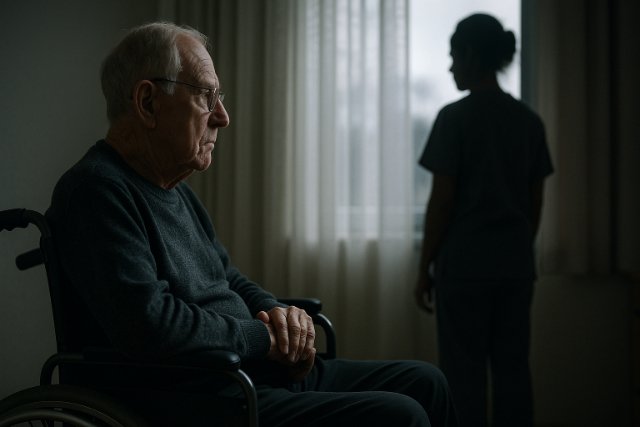
A nursing home abuse lawyer can pursue a wide range of claims on behalf of residents who have suffered harm due to neglect, mistreatment, or intentional abuse in long-term care facilities. These claims typically seek compensation for physical, emotional, and financial damages caused by the wrongful actions or inactions of staff, administrators, or even third parties allowed on the premises.
One of the most common types of claims involves physical abuse, such as hitting, pushing, or using excessive force when handling residents. Lawyers can hold the facility and staff accountable for injuries ranging from bruises and fractures to more severe harm that may require hospitalization. These cases often involve gathering medical records, witness testimony, and expert evaluations to prove the abuse occurred.
Neglect (E.g., Bedsores, Dehydration, Malnutrition)
Neglect is the most common form of abuse. When residents are not turned regularly, fed properly, or given adequate hydration, they suffer life-threatening consequences. These cases often rely on showing systemic understaffing or failure to follow care plans.
Physical Abuse and Assault

Physical abuse includes hitting, slapping, excessive restraint, or rough handling during transfers. Lawyers document injuries through photographs, medical evaluations, and eyewitness accounts, then hold both the abuser and facility accountable.
Medical Malpractice in Care Settings

When doctors or nurses in nursing homes provide substandard medical care such as medication errors, delayed diagnoses, or improper wound treatment the case becomes one of medical malpractice. These claims often overlap with traditional malpractice suits and may involve hospital systems or consulting physicians.
How Much Does It Cost to Hire a Nursing Home Abuse Lawyer?
Most nursing home abuse lawyers work on a contingency fee basis. This means families do not pay upfront. Instead, the lawyer receives a percentage of any settlement or verdict, typically ranging from 25% to 40% depending on complexity and trial involvement.
This arrangement ensures access to justice regardless of financial resources. Families should clarify what additional costs may apply, such as expert witness fees, court filing fees, or investigation expenses. Many firms advance these costs and deduct them from the final recovery.
Transparency is critical. Reputable attorneys provide written agreements outlining percentages, expenses, and what happens if the case does not succeed.
What is a Contingency Fee Arrangement?
It is a no-win, no-fee structure where the lawyer only gets paid if compensation is secured. This aligns the attorney’s interests with the client’s.
Typical Percentages or Costs to Expect
| Case Type | Typical Contingency Fee | Additional Costs |
| Standard neglect case | 25–33% | Filing & expert fees |
| Complex medical malpractice | 33–40% | Multiple experts, depositions |
| Wrongful death claim | 30–40% | Higher litigation expenses |
How to Choose the Best Nursing Home Abuse Lawyer for Your Case?
Selecting the right attorney can determine the success of a claim. Look for lawyers with demonstrated experience in elder abuse, medical negligence, or wrongful death cases. Board certifications in elder law or membership in professional associations signal credibility.
During initial consultations, ask about prior verdicts, settlements, and how often the lawyer takes cases to trial. A lawyer who regularly litigates shows readiness to push beyond settlement if necessary.
Personal fit also matters. Since families may discuss sensitive health and financial details, trust and clear communication are vital. Many attorneys offer free consultations, giving families a chance to evaluate professionalism and empathy before committing.
What Credentials, Experience, or Certifications Matter?
- Elder law certification
- Membership in NAELA or similar organizations
- Trial experience in elder abuse or medical malpractice cases
- Positive client testimonials and case studies
What Questions Should You Ask?
- How many nursing home abuse cases have you handled?
- What is your typical settlement or verdict range?
- Do you work on contingency, and what percentage do you charge?
- Will you personally handle my case or assign it to associates?
What is the Process Once You Hire a Nursing Home Abuse Lawyer?
After engagement, the lawyer begins investigation and discovery. This includes requesting records, interviewing staff, and filing preservation letters to prevent evidence tampering.
The next step is negotiating with the facility’s insurers. Many cases settle before trial, especially when evidence is strong. However, if negotiations fail, the lawyer files a lawsuit and proceeds through depositions, motions, and trial.
Throughout the process, families receive updates and may need to provide testimony or participate in mediation.
Investigation and Discovery Phase
This includes subpoenaing records, deposing staff, and hiring experts. Discovery often reveals systemic understaffing, falsified logs, or regulatory violations.
Negotiations and Settlement Discussions
Facilities often prefer settlement to avoid public trials. Lawyers evaluate offers against projected trial outcomes to ensure fair compensation.
What Are Limitations and Legal Deadlines in Nursing Home Abuse Lawsuits?
Every state enforces a statute of limitations, typically ranging from 1 to 3 years after the incident or discovery of harm. Missing these deadlines usually bars claims entirely.
Some states allow exceptions under “delayed discovery rules,” especially when injuries are hidden or records are concealed. Tolling provisions may also extend deadlines for residents with diminished capacity.
Because laws vary by jurisdiction, consulting a local attorney immediately is crucial.
What is a Statute of Limitations?
It is the legal deadline to file a lawsuit. Once expired, the claim cannot proceed, regardless of its merits.7.2 How statutes affect filing ability
| State | Typical Time Limit | Exceptions |
| California | 2 years | Delayed discovery, fraud |
| New York | 3 years | Continuous treatment doctrine |
| Florida | 2 years | Fraudulent concealment |
How to Report Suspected Nursing Home Abuse and Protect Your Loved One?
Immediate safety comes first. If a resident faces urgent danger, call 911. Families should also notify state regulatory agencies and local long-term care ombudsman programs.
Lawyers assist by filing protective orders, facilitating transfers, and guiding families through complaints with agencies like the Centers for Medicare & Medicaid Services (CMS) or state departments of health.
Proactive documentation photographs, written records, and medical evaluations strengthens both regulatory complaints and civil lawsuits.
Agencies to Contact
- State Department of Health
- Long-Term Care Ombudsman Program
- Adult Protective Services (APS)
- CMS Complaint Hotline
Lawyer’s Role in Protection
Attorneys can petition courts for emergency orders, assist in relocating residents, and coordinate with medical experts to establish safety standards.
What are common myths or misconceptions about nursing home abuse lawyers?
Many families hesitate to contact a lawyer due to misconceptions. One common myth is that lawsuits are too expensive, when in reality contingency fee structures remove upfront costs.
Another misconception is that only large firms can handle abuse cases. In truth, many boutique elder law practices achieve landmark verdicts by focusing solely on nursing home litigation.
Families also fear retaliation against loved ones if they pursue claims. Legal protections exist, and lawyers often work with ombudsman programs to ensure resident safety during litigation.
Conclusion
A nursing home abuse lawyer is more than a litigator they are advocates for dignity, safety, and justice for some of society’s most vulnerable individuals. By documenting abuse, understanding costs, acting quickly within legal deadlines, and choosing the right attorney, families can hold negligent facilities accountable. Beyond financial compensation, these lawsuits often lead to improved safety standards and systemic reform in long-term care. If you suspect abuse, the most important step is to seek qualified legal guidance immediately.
FAQ’s
They represent residents or families in cases of abuse or neglect, gathering evidence, litigating, and securing compensation.
Yes. Most states impose a statute of limitations of 1–3 years, though exceptions may apply.
Most work on contingency fees of 25–40%, with no upfront costs.
Neglect, physical abuse, emotional abuse, medical malpractice, financial exploitation, and wrongful death.
By collecting medical records, taking photographs, saving communications, and noting changes in health or behavior.
Medical costs, pain and suffering, emotional distress, punitive damages, and in wrongful death cases, funeral expenses.
Yes. While many cases settle, lawyers prepare for trial if negotiations fail.
