


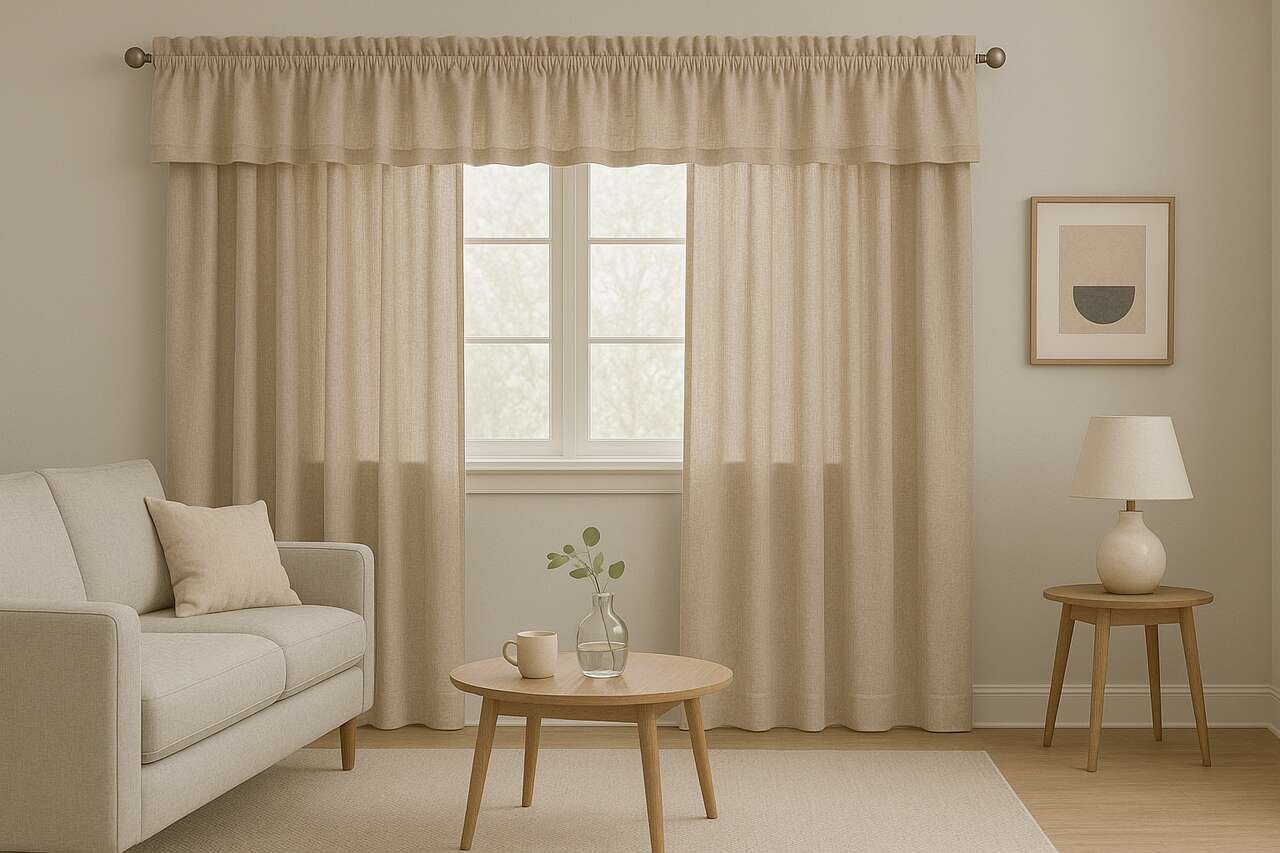
Curtains play a defining role in shaping the ambiance, functionality, and aesthetic harmony of any room. From curtain valances to luxurious drapes, long curtains, and breathable linen options, each type serves a unique purpose in interior design. Whether enhancing insulation, filtering natural light, or simply adding a layer of style and texture to windows, the right curtain choice significantly influences the look and feel of a space. Homeowners and designers must evaluate not only color and pattern but also fabric type, length, and heading style. Valances add a finishing touch, while drapes provide depth and elegance. Long curtains impact spatial perception, and linen offers eco-conscious appeal. This comprehensive guide dissects each of these four key curtain types with practical insights, style tips, and updated trend forecasts to help readers choose the best window treatments for their interiors.
What Are Curtain Valances and How Do They Enhance Window Décor?
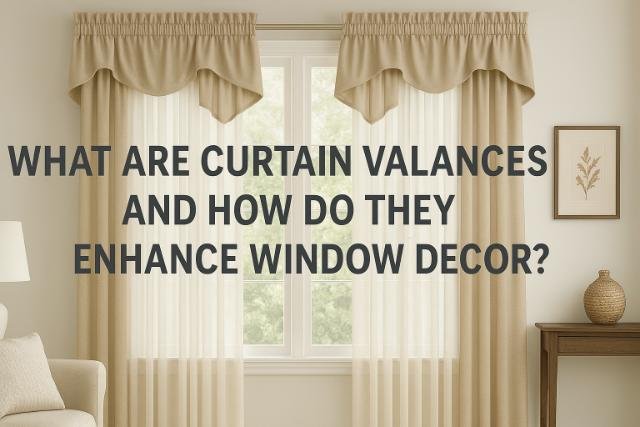
Curtain valances are short fabric treatments that cover the upper portion of a window, typically hung over drapes or blinds. Valances offer a decorative finish and can hide curtain rods or mounting hardware. Often used to frame windows, valances soften architectural lines, draw the eye upward, and introduce color, texture, or pattern at eye level. In layered treatments, valances enhance the overall visual structure, adding symmetry and elegance. They are especially popular in traditional, country, and eclectic interiors but are also being reinterpreted in contemporary spaces with minimalistic designs and geometric cuts.
Are Valances Still in Style in Modern Homes?
Valances are experiencing a design revival, particularly in minimalist or transitional homes where subtle detailing matters. While ornate, ruffled valances may be considered outdated, structured box pleats and clean-lined designs are gaining popularity. These modern valances use linen, cotton, or textured weaves in solid neutrals or bold geometrics. Designers often pair them with Roman shades or simple panels to introduce understated sophistication without overpowering the room. In open-plan homes, valances offer a way to visually differentiate windows across multiple spaces while maintaining design cohesion.
What Types of Valances Exist (Box Pleat, Swag, Scalloped)?
● Box Pleat Valances: Feature evenly spaced pleats for a clean, symmetrical appearance. Suitable for modern and transitional interiors.
● Swag Valances: Include draped curves and tails, typically used in traditional or formal settings for dramatic effect.
● Scalloped Valances: Cut in a wave-like pattern along the hem, adding softness and femininity to windows.
● Balloon Valances: Have gathered poufs and work best in vintage or country-themed decor.
● Cornice Valances: Structured with wood or foam backing, covered in fabric for a tailored, architectural look.
What Are Drapes and How Do They Differ From Curtains?
Drapes are long, lined, and often pleated panels made of thick fabric designed for insulation and privacy. Unlike lighter, unlined curtains, drapes are more structured and formal, often used in living rooms, dining areas, or master bedrooms. Drapes are typically floor-length or longer, puddling at the floor for a luxurious feel. Curtains may refer to lighter or sheer window coverings that allow more light through. Drapes often include decorative pleats like pinch or goblet pleats and are hung on rods with rings or hooks for ease of movement and durability.
Do Drapes Provide Better Insulation and Privacy?
Yes, drapes are excellent for insulating windows and enhancing privacy due to their dense weave and lined backing. Thermal or blackout linings improve energy efficiency by reducing heat loss in winter and blocking solar heat in summer. In urban homes, drapes can also buffer street noise, enhancing acoustic comfort. The heavier fabric also offers complete privacy when closed, making drapes ideal for street-facing windows or rooms requiring darkness, such as home theaters or bedrooms.
What Fabrics Are Best for Luxury Drapes?
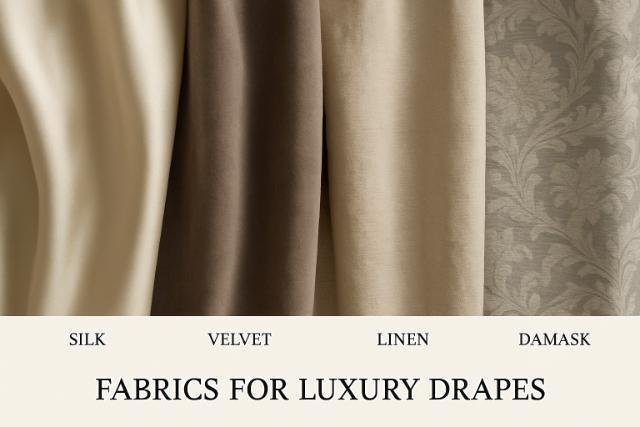
● Velvet: Rich in texture, perfect for formal or dramatic interiors.
● Silk (or faux silk): Offers sheen and elegance but requires lining to maintain structure.
● Linen-blend: Adds casual sophistication and breathability.
● Chenille: Soft and plush, excellent for warmth and texture.
● Jacquard: Features intricate woven patterns ideal for classical styles.
How Do Long Curtains Change the Look of a Room?
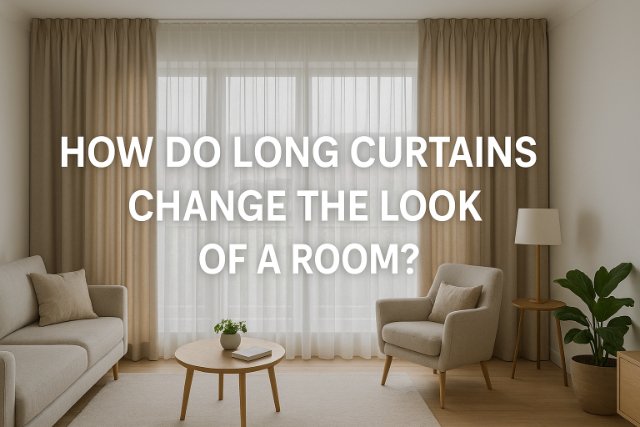
Long curtains dramatically impact room proportions, mood, and focal direction. They elongate walls and draw the eye upward, creating the illusion of taller ceilings and larger spaces. Floor-to-ceiling curtains create vertical flow, making compact rooms feel open and airy. In expansive spaces, they add scale and dimension, framing large windows or sliding glass doors. Long curtains also introduce movement and softness, breaking the rigidity of angular architectural lines. Whether puddled for opulence or crisply hemmed for a contemporary vibe, long curtains are a design element that transforms perception and atmosphere.
Should Long Curtains Always Touch the Floor?
Ideally, long curtains should either kiss the floor, break slightly, or puddle depending on the desired style. Floor-length curtains that just touch the floor provide a tailored, clean look suitable for modern interiors. Slight breaks add softness and are easier to maintain. Puddled curtains, where extra fabric pools on the ground, offer a romantic and dramatic feel suited to formal or vintage spaces. Avoid curtains that hang too short, as they visually shrink the wall height and can appear unfinished.
Do Long Curtains Make Ceilings Look Higher?
Yes, long curtains mounted close to the ceiling create the visual illusion of height. By extending the curtain rod several inches above the window frame and using floor-length panels, the eye naturally follows the vertical line upward. This trick is especially effective in rooms with standard ceiling heights or in small apartments where maximizing vertical space is essential. Vertical patterns or pleats further reinforce this effect, making the entire room feel more spacious and balanced.
Why Choose Linen Curtains for Your Home?
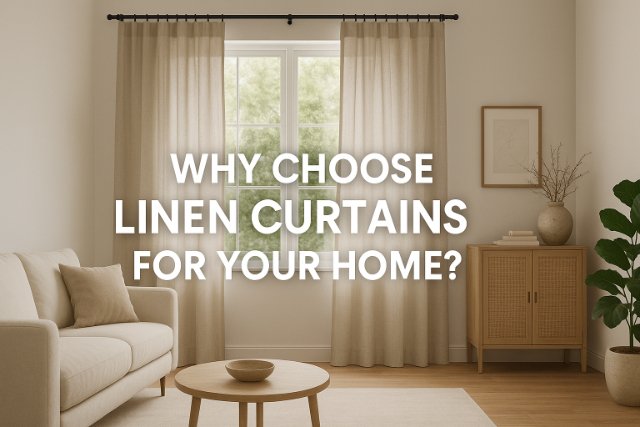
Linen curtains offer a perfect blend of beauty, breathability, and eco-friendliness. Made from natural flax fibers, linen is sustainable and biodegradable, making it a top choice for eco-conscious homeowners. Linen drapes gently and filters light in a soft, diffused manner, creating a tranquil and airy atmosphere. Their organic texture introduces warmth and depth without overwhelming a room. Linen is highly versatile, working in Scandinavian, coastal, farmhouse, and minimalist styles. Unlike synthetic materials, linen ages gracefully, softening over time without losing integrity.
Are Linen Curtains Durable Compared to Polyester or Cotton?
Linen is naturally strong and long-lasting, particularly when blended with cotton or treated for shrink resistance. While not as wrinkle-resistant as polyester, linen offers superior breathability and environmental benefits. Compared to cotton, linen is more durable over time, especially when exposed to sunlight. Regular steaming or gentle washing helps preserve its texture. For high-traffic or sunlit areas, a linen blend or lined linen panel can extend longevity and maintain elegance.
Do Linen Curtains Block Light Effectively?
Unlined linen curtains provide gentle light filtering but do not offer complete blackout functionality. Their loosely woven structure allows soft light diffusion, ideal for living rooms, kitchens, or relaxed spaces. For more privacy or insulation, lined linen curtains or double-layered panels (sheer plus heavier linen) are recommended. These combinations offer a balance between aesthetics and functionality without sacrificing the airy character that linen is known for.
How Do Valances, Drapes, Long Curtains, and Linen Curtains Compare?
| Curtain Type | Best For | Light Control | Formality | Fabric Options | Pros | Cons |
| Valances | Decorative finish | Minimal | Low to Medium | Cotton, linen, silk | Conceals rods, adds detail | Limited functional use |
| Drapes | Privacy, insulation | High | High | Velvet, silk, chenille | Blocks light, adds luxury | Higher cost, maintenance |
| Long Curtains | Enhancing space | Medium to High | Medium to High | Linen, cotton, blends | Makes room look larger | Needs proper installation |
| Linen Curtains | Eco-conscious style | Medium | Medium | 100% linen, blends | Breathable, natural look | Wrinkles easily, light filtering only |
Each type serves distinct functional and stylistic goals. Combining elements such as linen long curtains with a structured valance can maximize both beauty and efficiency.
Which Option is Best for Formal Living Rooms vs. Casual Spaces?
● Formal Living Rooms: Drapes with pinch pleats, silk or velvet fabric, possibly layered with valances or sheers.
● Casual Spaces: Linen curtains, long cotton panels, or simple box pleat valances. These create a relaxed, natural look suitable for everyday use.
What Are the Pros and Cons of Each Type?
Each curtain type offers specific benefits:
● Valances: Easy to update, good for layering but limited on their own.
● Drapes: Great for privacy and acoustics, but more expensive.
● Long Curtains: Stylish and versatile but require precise measurements.
● Linen Curtains: Eco-friendly and light but not ideal for blackout needs.
What Fabrics and Styles Are Trending for Curtains in 2025?
Sustainability continues to dominate 2025 curtain trends. Natural fabrics like linen, organic cotton, and recycled polyester are on the rise. Earth tones, soft greens, and muted blues dominate color palettes, reflecting a return to nature. Styles are moving toward simplicity: ripple-folds, concealed tabs, and motorized headings offer both functionality and clean aesthetics. Layering remains popular, with sheer panels combined with opaque fabrics to allow flexibility in light control and mood setting. Minimalist valances with boxy shapes or metallic accents are also trending in contemporary interiors.
Are Eco-friendly Curtain Fabrics Gaining Popularity?
Yes, eco-conscious consumers increasingly prioritize materials with low environmental impact. Linen, hemp, recycled synthetics, and OEKO-TEX certified fabrics are widely available and gaining mainstream adoption. These fabrics not only support sustainability but also offer hypoallergenic and breathable benefits for healthier indoor air quality.
Which Colors Dominate Curtain Trends This Year?
Muted sage, clay, warm beige, and dusty blue are leading color choices. These hues complement organic textures and bring calm to interiors. Accents in ochre, charcoal, and soft coral also add warmth without overwhelming the room. Neutrals remain popular for versatility, but two-tone panels or gradient fades are emerging as subtle statements.
Where Can You Buy Quality Valances, Drapes, and Linen Curtains?
High-quality window treatments are available both online and in specialty home decor stores. Online retailers offer vast selections, filter tools, and sample ordering, making comparison easy.
What Are the Best Online Stores for Luxury Curtains?
● The Shade Store: Offers custom options, designer collaborations, and in-home consultation.
● West Elm: Focuses on eco-friendly, modern curtains with stylish finishes.
● Pottery Barn: Wide range of traditional and contemporary styles.
● Etsy: Ideal for handmade or custom valances and linen drapes.
● Wayfair: Broad selection across price ranges with customer reviews.
Are Custom-made Curtains Better Than Ready-made Ones?
Custom curtains offer superior fit, fabric choice, and design flexibility. They are ideal for unique window sizes or specific decor themes. Although more expensive, custom treatments often deliver better longevity and a tailored finish. Ready-made curtains are cost-effective and convenient but may require alterations or compromise on style and function.
How Much Do Different Curtain Types Cost?
Costs vary widely by fabric, length, lining, and customization level. Budget options start as low as $20 per panel, while luxury custom drapes can exceed $500 per window.
What Factors Affect the Price of Drapes vs. Linen Curtains?
● Fabric Type: Velvet and silk are pricier than cotton or polyester.
● Size: Longer and wider panels require more material.
● Lining: Blackout and thermal linings increase cost.
● Heading Style: Pleats and custom finishes add labor expenses.
Is It Worth Investing in Premium Fabrics?
Premium fabrics offer better drape, richer color retention, and improved durability. They elevate the overall aesthetic and can significantly impact room ambiance. Over time, their quality justifies the higher upfront investment, especially for high-use or prominent spaces like living rooms.
FAQ’s
Yes, modern valances with clean lines and quality fabrics are trending again.
Drapes are heavier, lined, and more formal; curtains are lighter and casual.
Yes, they elongate the wall and make ceilings appear taller.
Linen requires gentle washing and steaming but is durable and long-lasting.
Yes, structured valances in neutral fabrics work well with minimalist styles.
Blackout-lined drapes offer superior insulation and privacy.
Sage, dusty blue, clay, and soft neutrals are leading trends.
No, but maintaining complementary tones and styles ensures cohesive design.
