


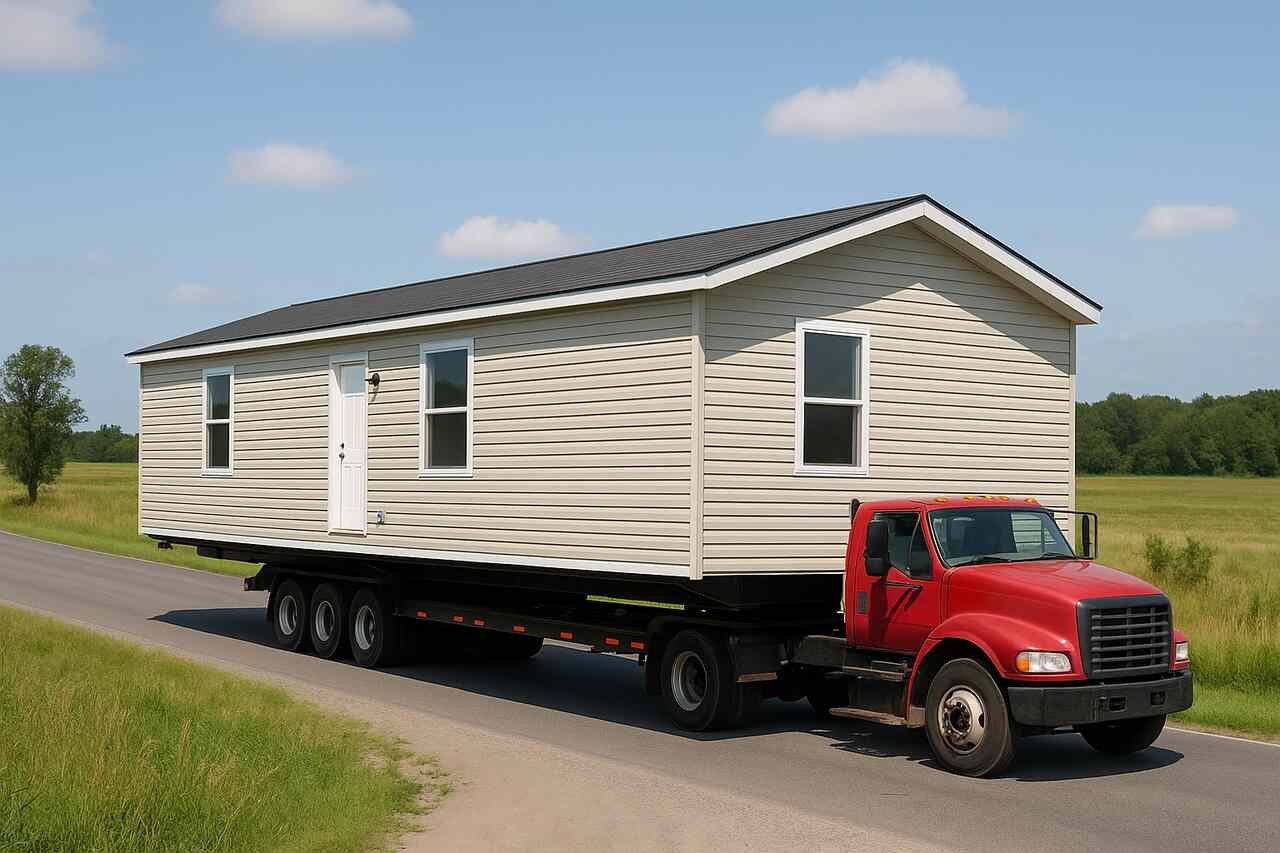
A mobile home can be moved for free under certain conditions, often through relocation assistance programs, incentives from parks or buyers, or charitable support. Securing these opportunities requires understanding regulations, eligibility criteria, and negotiation strategies.
What Does It Mean to Move a Mobile Home for Free?
Moving a mobile home for free means that the relocation expenses, typically thousands of dollars, are paid by a third party instead of the homeowner. This cost coverage can come from park owners, buyers, government agencies, nonprofits, or development programs. The concept rarely implies “no cost at all” since ancillary expenses like permits, utility disconnection, and site preparation may still remain. The term “free” is used when the major expenses of transportation, labor, and setup are fully subsidized.
How Mobile Home Relocation Usually Priced?
Mobile home relocation is priced based on the size of the home, the distance traveled, the complexity of disconnection and setup, and the number of sections involved (single-wide vs. double-wide). Movers factor in labor, transport truck usage, pilot cars, and site work. In the U.S., professional movers often quote $5,000 to $8,000 for single-wides and $10,000 to $15,000 for double-wides on local moves under 100 miles.
What Costs Are Included in Moving a Mobile Home?
Moving costs typically include:
⦁ Disconnection services: Removing utilities, skirting, porches, and tie-downs.
⦁ Transportation fees: Loading, hauling, and escort vehicles.
⦁ Permits and compliance: State and county transportation permits.
⦁ Setup at the new site: Blocking, leveling, tie-down installation, and reconnecting utilities.
⦁ Insurance coverage: Transit damage protection and liability coverage.
What Are the Best Ways to Move a Mobile Home for Free?
How Can Park Owners Cover Your Moving Costs?
Mobile home park owners sometimes offer to pay moving expenses to fill vacant spaces. These incentives are common in competitive housing markets where parks want to attract long-term tenants. The owner benefits from consistent lot rent, while the homeowner gets a free relocation package that may cover transport, setup, and sometimes even lot rent discounts for the first year.
Are There Government Programs That Help With Mobile Home Relocation?
Certain states provide Relocation Assistance Programs funded through housing authorities or special taxes on park closures. For example:
⦁ Washington: Mobile Home Relocation Assistance Program offers up to $12,000 for double-wides.
⦁ Oregon: Manufactured Dwelling Relocation Assistance Program provides payments when a park closes.
These programs usually require that the home meets HUD standards and that the move is due to park closure or redevelopment.
Can Selling Your Mobile Home Include Free Relocation?
Buyers, especially developers or rural landowners, may cover relocation to secure a purchase. In such deals, the buyer contracts with movers directly, paying for disconnection, transport, and setup as part of the sale. This approach works best for homes in good condition that meet transport regulations.
Do Nonprofit Organizations Help Move Mobile Homes?
Certain nonprofits, especially those focused on housing stability, offer assistance for mobile home relocation in cases of eviction, disaster recovery, or financial hardship. Organizations like Habitat for Humanity occasionally include relocation help in community housing projects. These services often prioritize low-income families and may require income verification.
Can You Get a Free Move When Buying Land or Joining a New Park?
New mobile home communities or rural land developments sometimes offer move-in specials where transport costs are waived to encourage settlement. These offers often include partial reimbursement for setup expenses, and in some cases, free lot rent for several months. Such deals are most common in growing suburban markets.
What Permits and Requirements Do You Need to Move a Mobile Home?
What Are the Hud Regulations for Moving Mobile Homes?
HUD mandates that any manufactured home built after June 15, 1976, must meet HUD Code standards for safety and structure before relocation. These rules ensure that homes are structurally sound and safe for transport. Homes that fail inspection cannot be moved without significant upgrades.
How Do State and County Laws Affect Mobile Home Transport?
State departments of transportation regulate oversized load permits, escort vehicle requirements, and travel routes. Some states require special licenses for movers. County zoning laws dictate whether the home can be installed on certain parcels, and some restrict the relocation of older homes based on model year or condition.
What Insurance is Required for Moving a Mobile Home?
Insurance requirements vary by state, but professional movers usually carry:
⦁ Cargo insurance: Covers damage during transport.
⦁ Liability insurance: Covers injuries or property damage caused during the move.
Homeowners should verify coverage amounts before signing a relocation contract.
What Are the Pros and Cons of Free Mobile Home Moving Deals?
When is a “free” Move Actually Worth It?
A free move is worth it when the paying party covers transportation, setup, and all mandatory fees without adding restrictive conditions, such as long-term lease commitments at inflated rates. Homeowners should weigh total cost savings against potential contractual obligations.
What Hidden Costs Should You Look Out for?
Hidden costs often include:
⦁ Permit fees not covered: Especially when moving across county or state lines.
⦁ Utility reconnection charges: Often excluded from “free” offers.
⦁ Site preparation: Clearing and leveling land for installation.
⦁ Storage fees: If the new site is not ready upon arrival.
What are common scams and risks when moving a mobile home for free?
How to Verify a Mover or Relocation Program
Verifying legitimacy involves checking state licensing databases, confirming insurance coverage, and requesting written contracts with clear payment terms. Homeowners should avoid movers who demand large cash deposits or refuse to provide references.
How to Protect Your Home From Damage During Transport
Protection steps include hiring movers with experience in manufactured home transport, ensuring cargo insurance covers full replacement value, and preparing the home by securing loose components and removing exterior add-ons
Conclusion
Free mobile home relocation is possible through park incentives, government grants, nonprofit aid, or buyer-funded moves. Success depends on meeting eligibility rules, securing proper permits, and verifying mover credentials. Careful negotiation and due diligence can turn high-cost relocations into no-cost transitions.
FAQ’s
Yes, through relocation programs, incentives, or deals where another party pays the moving expenses.
Washington, Oregon, Arizona, and several others have relocation grant programs tied to park closures or redevelopment.
Yes, many park owners offer to cover relocation costs to attract new tenants.
Oversized load permits, HUD compliance certification, and local installation permits are typically required.
Verify mover licenses, request written contracts, and check references before agreeing to any relocation.
Some nonprofits provide relocation aid in cases of financial hardship or disaster displacement.
Local moves may take one to three days, while long-distance relocations can take a week or more, depending on permitting and setup.
