


So, you’ve probably seen huge machines out on the road—garbage trucks lifting bins, bulldozers moving piles of dirt, or cranes hoisting giant pieces of steel. But have you ever wondered how they actually move things that heavy without breaking a sweat? The answer is hydraulic power. And at the center of that power is something called a hydraulic pump.
It might sound complicated, but it’s really not. Hydraulic pumps are like the beating heart of these machines, pushing special fluid through hoses to create movement and force. That force is what lifts, pushes, and pulls the massive things you see machines do every day.
Let’s break it down in a way that actually makes sense.
So… What Is a Hydraulic Pump?
Imagine a water gun. When you pull the trigger, the gun uses pressure to shoot water out. A hydraulic pump works kind of the same way, but instead of water, it uses hydraulic fluid, and instead of squirting, it’s powering super-strong parts of machines. It takes fluid from a tank, squeezes it under high pressure, and sends it through tubes to different parts of the machine.
That fluid doesn’t just sit around—it moves through the system and makes parts move, like a bucket lifting on a loader or a truck bed tilting to dump gravel. Pretty cool, right?
Why Do Big Machines Need This?
Well, most engines in cars or trucks just make the wheels spin. But what about lifting heavy loads? Or spinning a concrete mixer? That’s where hydraulics come in. Hydraulic systems give machines extra muscle. They take the power from the engine and turn it into hydraulic force, which can do all sorts of work without needing a separate motor for each thing.
Some systems use something called a PTO pump (that stands for Power Take-Off). It connects directly to the engine and powers the hydraulic pump. If you want to see a real example of this kind of setup in action, check out what Heavy Hydraulics offers—they specialize in this exact kind of equipment and provide solutions for everything from farming gear to construction vehicles.
How Does It Actually Work?
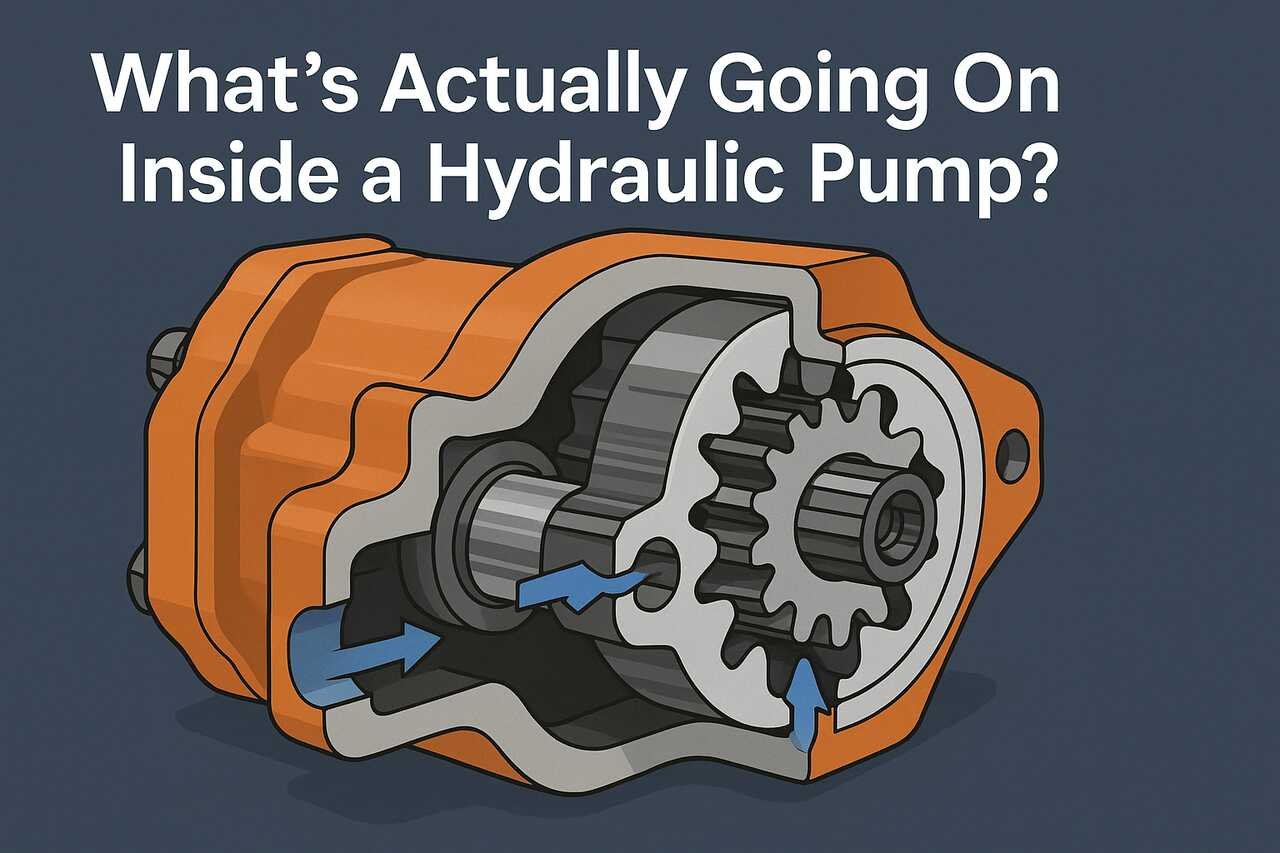
Okay, so inside the pump, there are a few main things happening:
- Suction – The pump pulls hydraulic fluid from a tank.
- Compression – It presses that fluid to build up pressure.
- Delivery – The fluid is pushed out through hoses to wherever it needs to go.
There are different types of pumps, like gear pumps and piston pumps, but they all do the same basic job—moving fluid under pressure. Once that fluid reaches its destination (like a cylinder or a motor), it moves something. Then it goes back to the tank and starts over. It’s kind of like a loop that keeps going as long as the machine is running.
What’s the Hydraulic Fluid For?
This part’s important. Hydraulic fluid isn’t just there to fill space. It has a few big jobs:
- Transmitting power – It carries the energy from the pump to the moving parts.
- Lubricating – It keeps the inside parts from wearing out.
- Cooling – It helps control the heat that builds up during use.
- Cleaning – It washes away little bits of dirt and metal.
Without clean, good-quality fluid, a hydraulic system won’t work right. Dirty fluid can mess things up fast—kind of like trying to drink chunky milk. It clogs everything and makes the pump work too hard.
What Happens When Things Go Wrong?
If a hydraulic pump isn’t working, the whole machine might stop doing its job. A few signs something’s up:
- Weird noises coming from the pump
- Slow or weak movement
- Fluid leaks
- Overheating
Sometimes it’s because the pump is worn out. Other times, it’s just low fluid or the wrong type. It’s important to check the system regularly. Big machines cost a lot to fix if something breaks.
Real-Life Places You’ll See Hydraulic Pumps Working
You don’t need to be on a job site to spot a hydraulic system in action. Here are a few places you’ll see them doing their thing:
- Garbage trucks – Lifting bins, compacting trash
- Farm tractors – Operating plows, harvesters, and seeders
- Tow trucks – Lifting broken-down cars
- Construction machines – Like excavators, cranes, and bulldozers
- Tipper trucks – Tilting beds to dump stuff out
All of these need hydraulic pumps to get the job done. Without them, these machines would be totally useless for the tasks they’re built for.
PTO Pumps and Why They Matter
A PTO (Power Take-Off) pump connects straight to a vehicle’s engine and uses its power to run the hydraulic system. It’s super efficient because it doesn’t need its own engine. The engine runs the PTO, the PTO powers the pump, and the pump pushes the fluid where it needs to go.
This setup is common in trucks and tractors because it saves space, saves fuel, and still gets the power you need. It’s kind of like using one battery to run a bunch of tools instead of needing a battery for each one.
Keeping a Pump in Good Shape
If someone owns a machine with a hydraulic pump, it’s important to take care of it. That means checking the fluid often, replacing old parts, and making sure everything’s sealed up tight. Even a tiny leak can cause problems over time.
Most of the time, when people ignore these little signs, it turns into a huge repair later. It’s always better to fix something small than to wait until the whole system fails.
Why This All Matters
Hydraulic pumps might not sound super exciting at first, but they’re actually one of the most important parts of big machines. Without them, a garbage truck couldn’t lift your trash, a tractor couldn’t plow a field, and a tow truck couldn’t pick up a car. Even though you don’t see what’s happening inside, it’s all working quietly to do powerful things.
And companies like Heavy Hydraulics are behind a lot of that work, making sure these machines have the right equipment to keep going strong. So next time you see a big truck lifting or moving something heavy, just remember—it’s not magic. It’s hydraulic power.
Here’s What You Should Know Now
- Hydraulic pumps move fluid under pressure to make big things move.
- They’re used in all kinds of heavy machines, from farms to cities.
- PTO pumps let engines do more by powering hydraulic systems.
- Clean fluid and good maintenance keep everything running right.
- Without hydraulic pumps, most heavy machines wouldn’t work at all.
Understanding this stuff helps you see how much is going on behind the scenes. Machines don’t just work by themselves—they’ve got powerful helpers inside, and the hydraulic pump is one of the biggest.
