


Introduction
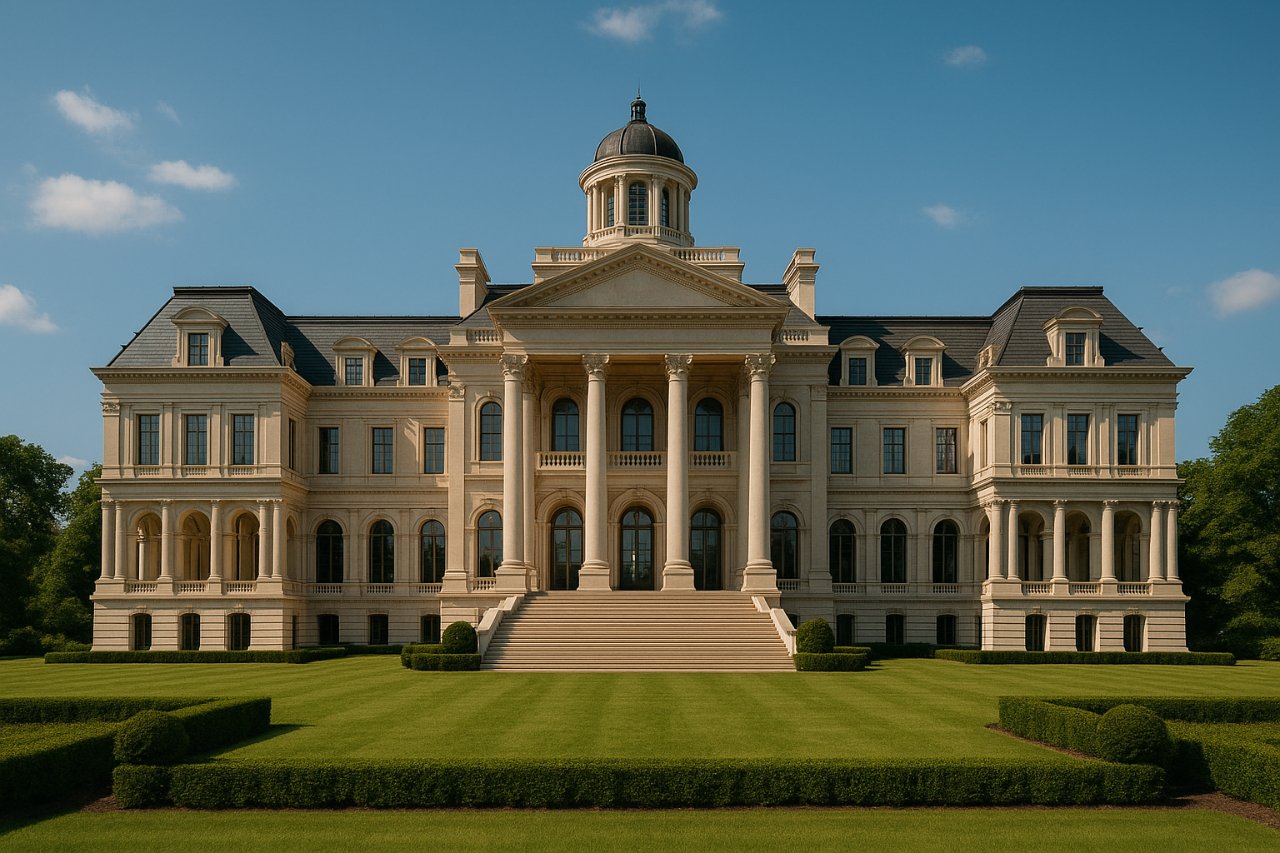
The concept of the world big home reflects humanity’s fascination with scale, prestige, and architecture. From ultra-modern private residences such as Antilia in Mumbai to sprawling royal palaces like Istana Nurul Iman in Brunei, these homes represent both personal luxury and cultural legacy. Measuring such residences involves not only square footage but also number of rooms, auxiliary buildings, landholdings, and historic significance. In this article, we’ll explore the world’s largest homes, both private and royal, analyze their construction and maintenance challenges, and uncover what these properties symbolize in global architecture.
What Qualifies as a “Big Home” in the World?
A big home is not just measured by its size in square feet. Architects and historians also consider the number of rooms, auxiliary complexes such as gardens or guest wings, and the home’s role whether private or ceremonial. For example, a palace like Lakshmi Vilas covers millions of square feet but serves royal functions, while a private residence like Antilia is designed for personal use.
Metrics include built-up area, volume, land footprint, and even vertical expansion in cases such as skyscraper mansions. Homes that accommodate staff, entertainment halls, and religious or cultural spaces often extend beyond residential needs.
The distinction between palaces and private mega-mansions is also critical. Palaces often serve as symbols of state or dynasty, while private homes reflect individual wealth and status. However, both categories fall under the scope of “world big home” when analyzing architectural scale.
What Are the Largest Private Residences in the World Today?
The largest private residence in the world is Antilia, a 27-story residential skyscraper in Mumbai, owned by billionaire Mukesh Ambani. With approximately 400,000 square feet of living space, it houses ballrooms, theaters, multiple pools, a health spa, and even a multi-level garage.
Other contenders include estates in the United States and Middle East. Some California mega-mansions exceed 100,000 square feet, while Saudi Arabia’s royal family owns sprawling residences designed with both luxury and cultural expression in mind.
These private residences highlight the evolution of home design into vertical towers, technologically advanced living quarters, and self-sustaining ecosystems that redefine what a house can be.
Which Historic Palaces or Royal Residences Rank Among the Biggest Homes?


The largest royal residence in terms of floor area is Istana Nurul Iman in Brunei, covering more than 2 million square feet and containing nearly 1,800 rooms. It functions both as the official residence of the Sultan and a government headquarters.
Lakshmi Vilas Palace in India, constructed in the late 19th century, remains one of the largest single-family homes ever built, with a footprint of 30.5 million square feet including grounds and auxiliary complexes.
European examples like Versailles Palace in France and Buckingham Palace in London also rank among the biggest homes, though many are partially open to the public as heritage landmarks rather than fully private residences
Which Massive Homes Are Under Construction or Planned?
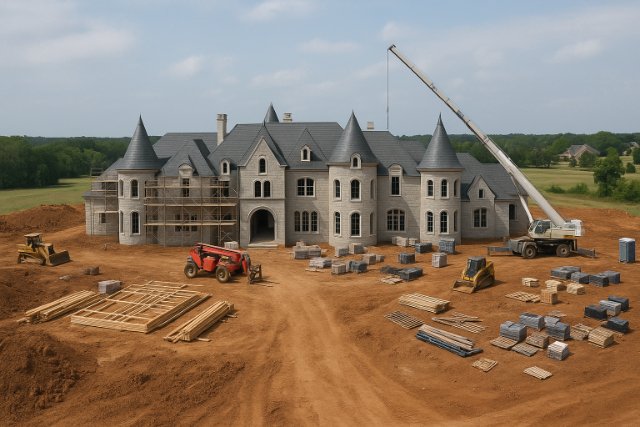
One of the most famous mega-mansions under construction is the “Versailles” mansion in Florida, planned to span 90,000 square feet with multiple ballrooms, luxury suites, and entertainment complexes.
Globally, regions like Dubai, Riyadh, and Los Angeles continue to see ambitious projects pushing beyond the 50,000-square-foot mark. These planned residences often integrate smart-home technologies, eco-friendly systems, and facilities rivaling hotels.
As wealth concentration grows, architects predict more hybrid mega-homes that combine private living with event-hosting and legacy-focused design.
Why Do Such Large Residences Get Built?
The primary reason is symbolism and status. Large homes project power, legacy, and cultural importance. For royals, they represent dynasties; for billionaires, they demonstrate global economic presence.
Another driver is functional necessity accommodating staff, diplomats, religious ceremonies, or entertainment on a scale far beyond ordinary residential needs. For instance, Istana Nurul Iman can host thousands of guests during national celebrations.
Cultural factors also shape size. Indian palaces incorporate ceremonial courtyards, while Middle Eastern residences include expansive prayer halls. Each big home tells a story of its owner’s vision, resources, and cultural heritage.
What Are the Architectural, Structural, and Logistic Challenges?
Constructing a world big home involves massive engineering challenges. Foundations must support colossal weight, HVAC systems must regulate extreme volumes, and materials must endure decades or centuries.
Maintenance requires armies of staff, from chefs and housekeepers to security personnel. Utilities like water, electricity, and waste management need industrial-scale infrastructure.
Security and privacy present additional challenges. Advanced surveillance, restricted access, and protective design elements are standard for both billionaires and royals managing such enormous estates.
How Do These Homes Compare in Cost, Value, and Public Access?
A mega-home like Antilia is valued at $1–2 billion USD, while historical palaces are considered priceless due to cultural heritage. Cost is not just initial construction; annual maintenance runs into millions, covering staff, landscaping, and repairs.
Some homes are private, such as Antilia, while others like Versailles are museums attracting millions of visitors annually. This mix of public and private access reflects differences in ownership models.
Taxes, insurance, and legal upkeep also shape the economic ecosystem around big homes, often requiring trusts, foundations, or government support.
What Lessons or Inspirations Do Designers and Homeowners Take Away?
Mega-homes reveal design principles such as symmetry, scale, and integration of indoor-outdoor spaces. Luxury features like wellness centers, cinemas, and private museums are becoming standard in the ultra-rich market.
Homeowners often scale down these concepts into luxury villas borrowing features such as courtyards, multi-car garages, or entertainment wings. Architects adapt the grandeur of mega-mansions into scalable design solutions.
Future trends include eco-friendly mega-homes with solar energy, smart climate systems, and sustainable landscaping, ensuring that scale does not compromise responsibility.
Comparative Table of World’s Biggest Homes
| Property | Location | Type | Size (ft²) | Rooms | Ownership |
| Antilia | Mumbai, India | Private | 400,000 | ~600 | Mukesh Ambani |
| Istana Nurul Iman | Brunei | Royal Palace | 2,152,782 | ~1,800 | Sultan of Brunei |
| Lakshmi Vilas Palace | Vadodara, India | Royal Palace | 30,500,000 | 170+ | Gaekwad Dynasty |
| Versailles Palace | France | Historic Palace | 721,206 | 2,300 | French State |
| Versailles Mansion | Florida, USA | Under Construction | 90,000 | TBD | David Siegel family |
Conclusion
The world big home is more than just a house it is a statement of wealth, history, and architecture. From the towering Antilia to sprawling palaces like Lakshmi Vilas and Istana Nurul Iman, these residences embody the ambitions of their builders. They are engineering marvels, cultural artifacts, and symbols of power. As modern design trends embrace sustainability and smart systems, the future of mega-homes may balance grandeur with responsibility, continuing humanity’s age-old fascination with monumental living spaces.
FAQ’s
Currently, that’s Antilia, a 27-story residential tower with around 400,000 square feet of space.
Yes. It surpasses Antilia in total footprint and includes auxiliary buildings, making it one of the world’s largest homes by area.
It has nearly 1,800 rooms, functioning as both a residence and government palace.
Construction has faced delays but remains one of the most ambitious private homes in the U.S.
Maintenance can cost millions annually, covering staff, security, landscaping, and repairs.
Some, like Versailles, are open as museums; others, like Antilia, remain fully private.


