


Curtains in white, grey, black, and blue are central to both the function and visual appeal of modern living rooms. Color selection determines the ambiance, controls natural light, ensures privacy, and enhances architectural details. These hues are not only popular but are also strategically used by interior designers to achieve specific psychological and aesthetic effects. Curtain fabrics, heading styles, and transparency levels amplify or mute these outcomes. Understanding which curtain color and type suits a space depends on the lighting, wall colors, furniture design, and the homeowner’s personal taste. By evaluating how curtain materials and color psychology interact with other interior elements, homeowners can elevate their living spaces from ordinary to extraordinary. This article explains how each color and material impacts room perception and functionality to help readers choose the most effective solution.
What Are the Benefits of Using White Curtains in the Living Room?


White curtains reflect natural light, making living rooms feel airy, expansive, and bright. They enhance minimalistic, Scandinavian, and coastal interiors while offering a clean canvas for colorful furnishings. These curtains soften architectural elements and work well with sheer or semi-sheer materials. In rooms with limited daylight, white curtains can simulate a sunlit effect, helping to counteract gloom and visually expand the space. Moreover, white curtains are timeless, blending seamlessly with changing seasonal decor or evolving trends, making them a flexible long-term investment for stylish interiors.
How do white curtains affect natural lighting and space perception?
White curtains amplify natural daylight by reflecting incoming sunlight. The reflection increases the perceived size of the room and boosts overall brightness. When paired with sheer fabric, they diffuse light evenly, reducing glare and creating a serene atmosphere. This diffusion effect helps avoid sharp shadows, delivering a more cohesive and calm lighting environment. In addition, white curtains can make ceiling heights appear taller and walls feel less confined, creating a visual illusion of openness in compact spaces.
What Styles of White Curtains Suit Modern vs. Classic Interiors?

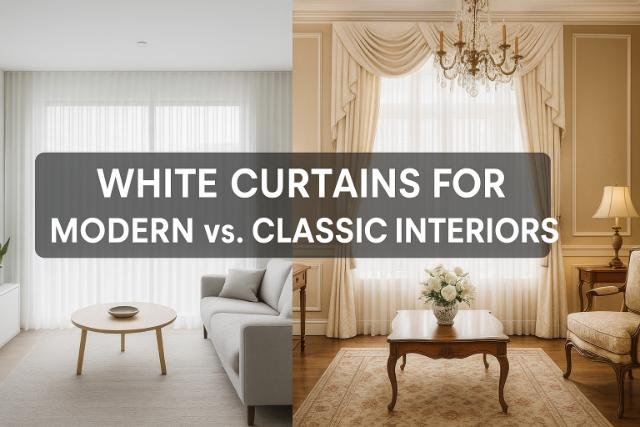
● Modern Interiors: Grommet or ripple-fold white curtains in linen or polyester complement minimalist aesthetics. The simplicity of these designs works in harmony with clean lines, neutral walls, and contemporary furniture, contributing to a seamless, cohesive look.
● Classic Interiors: Pinch pleat white curtains made from damask or cotton blends introduce elegance and symmetry.
Their structured design brings formal balance, particularly in rooms with traditional crown moldings and vintage furniture.
● Bohemian Rooms: Layered white sheers with macramé or lace valances suit eclectic settings. These textures add character and warmth, breaking the monotony of plain white while still keeping the space light and creative.
● Farmhouse Styles: Tab-top cotton curtains in off-white tones align with rustic elements. Their casual drape and natural fabric textures reinforce the cozy, lived-in ambiance typical of farmhouse aesthetics.
Why Choose Grey Curtains for a Living Room?

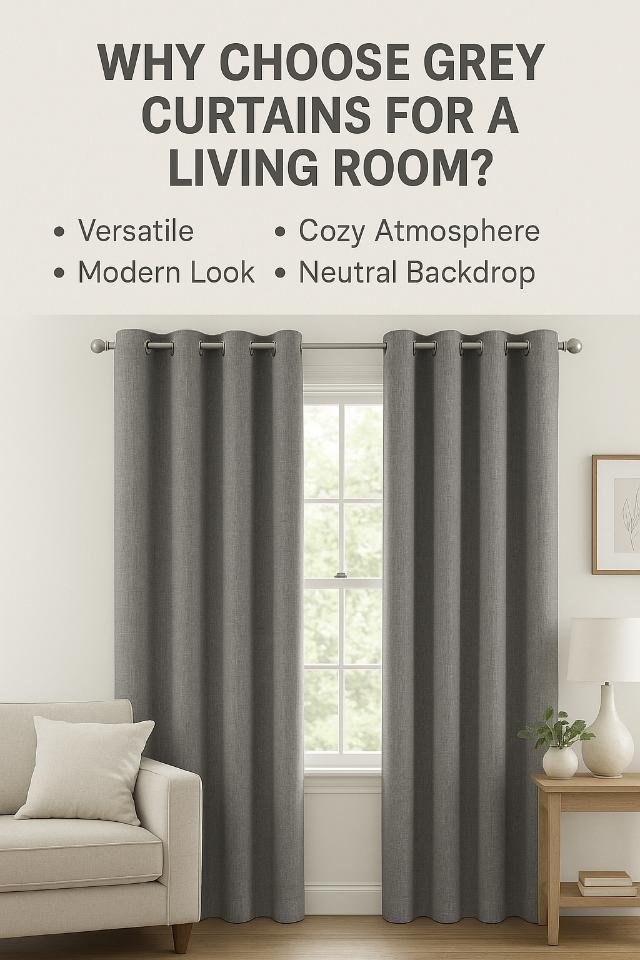
Grey curtains offer neutrality and sophistication, acting as visual anchors in both warm and cool-toned palettes. They reduce visual clutter and coordinate with various colors and textures, making them a versatile choice for modern homes. Grey’s adaptable quality allows it to blend into almost any theme from industrial lofts with exposed bricks to high-gloss modern apartments. Grey curtains can also tone down vibrant rooms or elevate monochromatic settings, giving homeowners the flexibility to remodel without replacing existing soft furnishings.
Do Grey Curtains Make a Living Room Look Smaller or Bigger?
Light grey curtains can enlarge a space by blending into light-colored walls, minimizing visual breaks. The continuity created by similar hues extends the appearance of surfaces, giving an illusion of spaciousness. Darker greys add depth and structure, which may make small rooms feel more intimate but not necessarily smaller when layered correctly with lighting. Using ambient lighting or floor lamps alongside darker grey curtains can prevent a room from feeling enclosed. Additionally, pairing grey curtains with reflective surfaces like mirrors or metallic decor can enhance spatial perception.
What Color Furniture Pairs Well With Grey Curtains?
● White Sofas: Creates contrast and brightness. The crisp difference between grey and white keeps the atmosphere fresh and modern.
● Beige or Taupe Furniture: Produces a warm, cohesive look. These tones soften the coolness of grey, fostering balance and comfort.
● Navy or Teal Accents: Enhances bold visual appeal. These deeper hues energize the muted grey palette, creating visual interest.
● Wood Finishes: Adds warmth to cool greys, preventing sterility. Wooden furniture complements grey by introducing organic textures and grounding the overall aesthetic.
How Do Black Curtains Transform a Living Room’s Design?

Black curtains add drama, luxury, and contrast. They create striking focal points and define the perimeter of a room. Blackout versions offer maximum privacy and light control, ideal for media rooms or urban apartments. Black curtains introduce a strong visual line that can sharpen interior architecture or complement bold design elements. When used properly, they frame windows like artwork, commanding attention without overwhelming the space. In upscale interiors, black curtains are often paired with gold or brass accents to elevate the sense of glamour and elegance.
Are Black Curtains Suitable for Small Living Rooms?
Black curtains can work in small living rooms if the walls and furniture are light-colored to balance darkness. Using lightweight fabrics or combining black with metallic patterns prevents overwhelming the space. Semi-sheer black curtains or those with subtle textures such as jacquard or embroidery can offer visual interest without bulk. Integrating mirrors or large windows alongside black curtains offsets the visual weight, preserving openness and preventing enclosure.
Do Black Curtains Provide Better Privacy and Light Blocking?
Black curtains, especially when made from heavy or triple-weave fabrics, are excellent at blocking light and ensuring full privacy. They also reduce sound reverberation and protect furnishings from UV damage. Blackout black curtains enhance sleep quality and eliminate external distractions, especially in spaces facing busy streets. Their insulating properties can help regulate room temperature, making them a functional choice for energy-efficient homes.
When Should You Use Blue Curtains in a Living Room?
Blue curtains evoke tranquility, confidence, and openness. They suit coastal, contemporary, and transitional styles. Use blue to complement beige, white, or wood-based interiors for calming harmony or pair with dark tones for dramatic contrast. Blue offers a broad spectrum from pastel serenity to moody sophistication allowing it to play both supportive and leading roles in a room’s design. For homeowners seeking to infuse personality without overwhelming space, blue curtains provide a tasteful solution that reflects both creativity and stability.
Which Shades of Blue Curtains Work Best With Different Wall Colors?
| Wall Color | Recommended Blue Curtain Shade |
| White | Navy, Royal Blue, Sky Blue |
| Grey | Steel Blue, Ice Blue |
| Beige | Denim Blue, Light Teal |
| Green | Dusty Blue, Ocean Blue |
| Charcoal | Cobalt, Deep Navy |
Blue curtains enhance visual interest without overpowering natural or artificial lighting. Their compatibility with multiple palettes makes them one of the most adaptable choices. Blue also introduces a cooling element into warm-toned rooms, striking a desirable balance that refreshes the space. Choosing matte or textured blue fabrics can introduce subtle depth, while glossy finishes add sophistication.
Do Blue Curtains Create a Calming or Dramatic Effect?
Light blue curtains foster calm, serenity, and airiness. These shades are ideal for promoting relaxation in reading corners, meditation areas, or family rooms. Darker shades like navy introduce drama and grounding. Their rich tones anchor expansive layouts or heighten contrast in lighter spaces. Combining blue with white or metallic detailing adds sophistication without heaviness. Patterned blue curtains, such as floral or geometric prints, can bridge the gap between tranquility and visual excitement.
What Fabrics Are Best for Living Room Curtains?

Curtain fabric determines the texture, functionality, and lifespan of the installation. Ideal choices include linen, velvet, polyester, cotton blends, and silk alternatives. Each fabric type supports specific interior styles and practical requirements. Fabric also influences how curtains drape, fold, and filter light. Selecting the right material not only enhances visual impact but also determines ease of cleaning, resilience to sunlight, and compatibility with automated curtain systems.
How Do Linen, Velvet, or Polyester Curtains Differ in Durability?
| Fabric Type | Durability | Maintenance | Best Use |
| Linen | Medium | Moderate care | Light, airy rooms |
| Velvet | High | Dry-cleaning needed | Luxe or dramatic spaces |
| Polyester | High | Easy to wash | Everyday use |
| Cotton Blend | Medium | Washable | Transitional rooms |
| Faux Silk | Low | Delicate care | Decorative only |
Each fabric impacts light diffusion, insulation, and visual depth. For households with children or pets, polyester offers the most resilience. Linen adds texture and breathability but wrinkles easily. Velvet offers opulence and superior thermal insulation but requires maintenance. Cotton blends provide versatility and balance between style and practicality. Faux silk works best as a design element rather than a functional curtain.
Should You Choose Blackout, Semi-sheer, or Sheer Fabrics?
● Blackout Curtains: Ideal for privacy, noise reduction, and light blockage. These are especially effective in bedrooms or living rooms with home theaters.
● Semi-Sheer Curtains: Balance daylight entry and moderate privacy. They work well layered under heavier curtains or alone in rooms requiring a soft glow.
● Sheer Curtains: Maximize light flow and visual softness, but offer minimal privacy. Sheers are often used as inner panels to diffuse harsh light and maintain openness.
How to Choose the Right Curtain Length and Style for Living Rooms?
Proper curtain length enhances ceiling height and proportion. Styles like floor-length, puddled, or sill-length affect perception and elegance. Matching curtain headings to rod styles ensures aesthetic cohesion. Understanding the relationship between window size, furniture layout, and curtain length helps create a harmonious environment that feels both spacious and thoughtfully designed.
Should Curtains Touch the Floor or Window Sill?
● Floor-Length (kiss or break): Suits formal, contemporary spaces. Curtains just kissing the floor create polished elegance, while a slight break adds relaxed sophistication.
● Puddled Length: Adds romantic drama for classic interiors. Puddling introduces volume and opulence, best suited for decorative windows in low-traffic areas.
● Sill-Length: Best for casual, practical settings. Kitchens, bay windows, or compact apartments benefit from shorter curtains that avoid clutter and allow easy access.
Which Curtain Heading Styles (Grommet, Pinch Pleat, Rod Pocket) Fit Modern Homes?
● Grommet: Clean lines and easy movement; best for modern designs. Grommet tops slide smoothly and complement industrial rods or metallic finishes.
● Pinch Pleat: Tailored elegance; ideal for transitional or classic spaces. Pleats provide structured folds that maintain symmetry and volume.
● Rod Pocket: Traditional and decorative; less functional for daily use. These are best used in stationary panels or lightweight sheer curtains.
Where Can You Buy Quality White, Grey, Black, or Blue Curtains?
Quality curtains are available at both online and in-store retailers. Choices vary by budget, customization options, and material selection. Buying from reputable sources ensures access to fabric samples, customization services, and reliable installation guides, helping homeowners make confident decisions.
What Are the Best Online Stores for Living Room Curtains?
● West Elm: Organic materials and elegant designs. Offers eco-friendly options and modern styles.
● Pottery Barn: Wide selection of colors and linings. Their online platform allows detailed filtering based on style, fabric, and length.
● Amazon: Budget options and quick delivery. Reviews and ratings help guide selections for every price point.
● Wayfair: Styles from modern to rustic. Frequent sales and wide brand availability make it easy to explore.
● The Shade Store: Custom sizes and fabrics. Provides in-home consultation and premium craftsmanship.
Are Custom Curtains Worth the Extra Cost?
Custom curtains ensure exact dimensions, fabric quality, and unique style. They prevent light leaks and fit niche windows. Higher upfront costs are balanced by better durability and tailored aesthetics. Custom options also allow selection of lining, pattern alignment, and heading types elements often overlooked in ready-made solutions.#
How Much Do Living Room Curtains Cost?
Curtain prices vary based on fabric type, length, customization, and lining. Basic panels cost less, while layered treatments with decorative hardware and premium fabrics increase the overall budget.
What Factors Affect Curtain Pricing?
● Fabric Type: Velvet and silk are costlier than polyester. The weave, texture, and weight also impact pricing.
● Lining: Thermal or blackout linings add cost. Dual linings improve insulation and protect against fading.
● Length: Floor-to-ceiling curtains are more expensive. Longer lengths require more material and detailed tailoring.
● Customization: Tailored fits raise prices significantly. Custom projects often include designer consultation and measurement services.
Are Premium Fabrics a Better Long-term Investment?
Premium fabrics offer better drape, longevity, and style retention. They resist wear and sun damage, reducing replacement frequency and maintaining design value over time. Investing in high-quality curtains not only enhances the home’s visual appeal but also reduces ongoing maintenance, delivering better returns over the years.
Conclusion
White, grey, black, and blue curtains deliver a rich combination of style, function, and emotional effect in living rooms. Each color aligns with specific aesthetic goals and psychological cues, while fabric choice influences light, texture, and durability. Understanding the relationship between curtain attributes, room size, lighting, and furniture ensures well-informed decisions that balance practicality and design. Whether creating a cozy retreat or a striking centerpiece, well-chosen curtains shape the personality of the living room and elevate daily living experiences.
FAQ’s
White or light grey curtains amplify brightness by reflecting sunlight.
Yes, but washable fabrics like polyester or cotton blends simplify maintenance.
Yes, especially when paired with neutral walls and furniture for contrast.
Blue, white, or darker grey curtains complement grey sofas effectively.
Yes, shades like denim or teal enhance beige tones harmoniously.
Muted blues and off-whites are trending for 2025 due to their calming presence.
They are ideal for light diffusion but require layering for privacy.
Not necessarily. Consistency helps cohesion, but variation can highlight different room functions and moods.


