



Summary Table
| Feature | Details |
|---|---|
| Types | L-shaped, U-shaped, Modular, Sleeper, Recliner |
| Best For | Small apartments, large families, media rooms |
| Common Materials | Leather, Microfiber, Velvet, Chenille |
| Key Considerations | Space, layout, style, comfort, functionality |
| Price Range | $500 – $5000+ |
| Lifespan | 7–15 years depending on use and material |
| Maintenance | Varies by fabric type and structure |
Introduction
A sectional couch is more than just a piece of furniture, it’s the centerpiece of your living room, where comfort meets design. Ideal for families, entertainers, and space-conscious dwellers alike, sectionals offer flexible arrangements, diverse materials, and versatile functions. Whether you’re designing a cozy corner or making the most of a wide-open floor plan, this guide walks you through everything you need to know to make a smart, stylish choice.
🛋️ What Is a Sectional Couch?
🔍 How Is It Different from a Traditional Sofa?

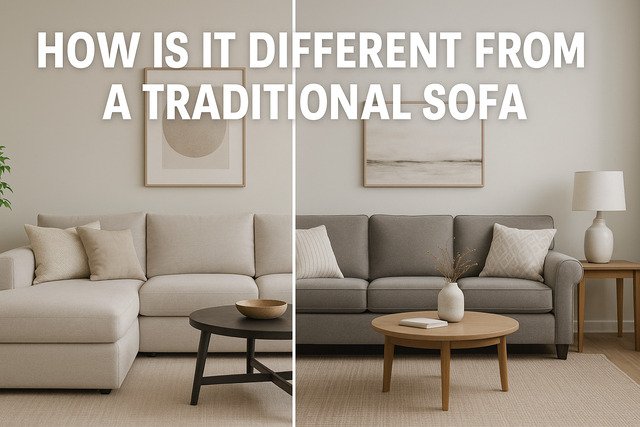
A sectional couch is a multi-piece seating arrangement that can be customized or rearranged based on space and needs. Unlike a traditional sofa, which is a single unit, sectionals often come in L-shaped, U-shaped, or modular configurations, offering more seating and flexibility.
🧵 Common Materials Used
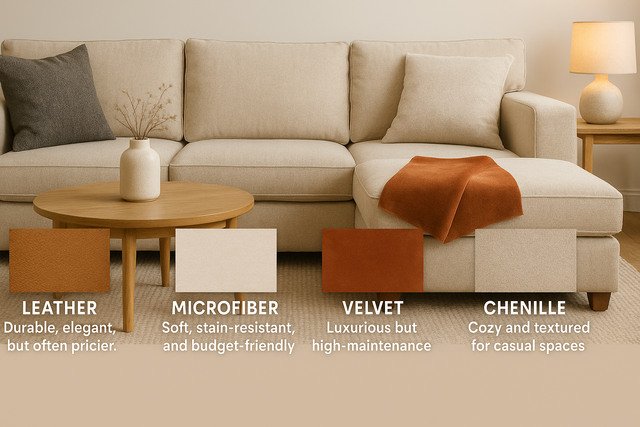
Sectionals are available in a variety of materials:
-
Leather – Durable, elegant, but often pricier.
-
Microfiber – Soft, stain-resistant, and budget-friendly.
-
Velvet – Luxurious but high-maintenance.
-
Chenille – Cozy and textured for casual spaces.
🧩 Types of Sectional Couches
L-Shaped Sectionals
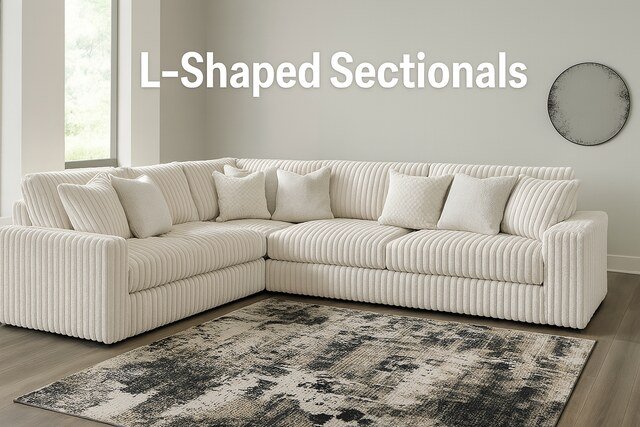
Perfect for corners and medium-sized living rooms. They seat 4–6 people comfortably and optimize floor space without overwhelming it.
U-Shaped Sectionals
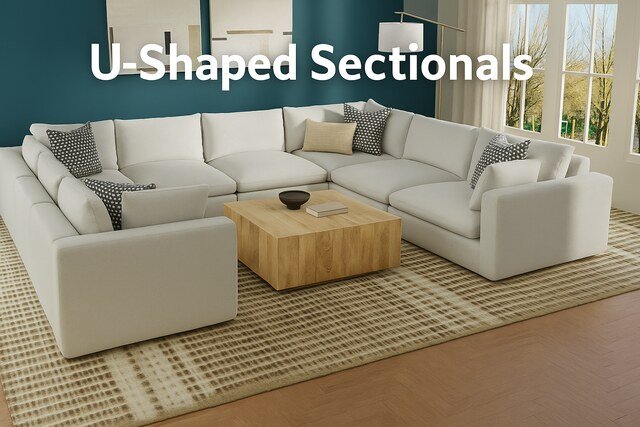
Great for large living rooms or open-concept spaces. These offer extensive seating and create an inclusive, social layout.
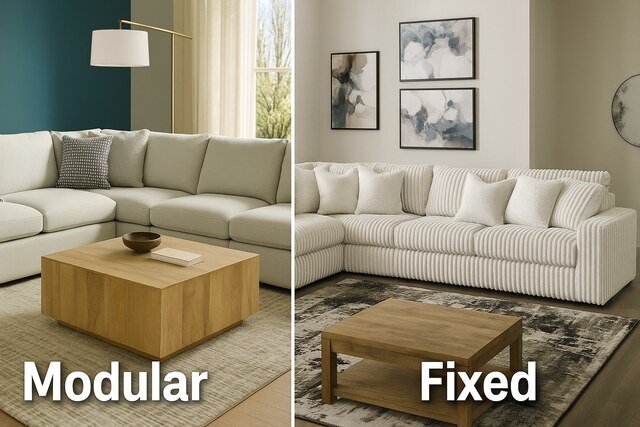
Modular vs Fixed
-
Modular: Pieces can be moved or rearranged. Ideal for flexibility.
-
Fixed: Permanently joined sections; better for a solid, seamless look.
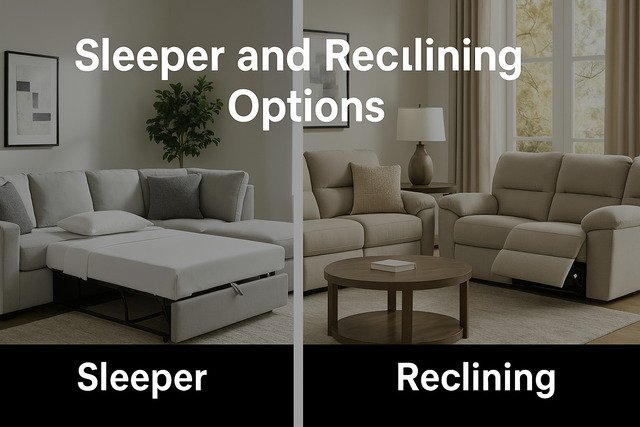
Sleeper and Reclining Options
-
Sleeper Sectionals: Built-in pull-out beds for guests.
-
Reclining Sectionals: Features like reclining seats and cup holders—great for media rooms.
📐 Choosing the Right Sectional Couch
Measuring Your Space
Measure wall-to-wall dimensions and leave at least 18–24 inches of walkway clearance. Consider corner placements or central arrangements depending on room size.
Matching Your Interior Design Style
-
Modern: Clean lines, neutral colors, low profile.
-
Farmhouse: Slipcovers, linen textures, soft hues.
-
Industrial: Leather, exposed legs, darker palettes.
Fabric and Color Selection
Choose fabrics based on durability and maintenance. Darker shades conceal wear, while lighter colors open up smaller spaces.
🛋️ Sectional Couch Layout Ideas
Best Configurations for Small Spaces
-
L-shaped or compact modular sectionals
-
Use ottomans or armless pieces to reduce bulk
Arranging Around Focal Points
Align the longer side of the sectional with your room’s main feature—TV, fireplace, or window view—for balance and symmetry.
🔄 L-Shaped vs U-Shaped: Pros & Cons
| Shape | Pros | Cons |
|---|---|---|
| L-Shaped | Space-saving, versatile, ideal for corners | Less seating for large gatherings |
| U-Shaped | Social layout, lots of seating | Requires more room, harder to rearrange |
🛍️ Where to Buy a Sectional Couch
Online vs In-Store Retailers
-
Online: More variety, convenience, often better deals. Check reviews and return policies.
-
In-Store: Try before you buy, check comfort and texture in person.
What to Check Before Buying
-
Frame material (solid hardwood is best)
-
Cushion fill (foam, feather, or hybrid)
-
Warranty and delivery logistics
🧼 Maintenance Tips for Sectionals
Cleaning by Fabric Type
-
Leather: Wipe with a damp cloth and condition regularly.
-
Microfiber: Vacuum and spot clean with mild detergent.
-
Velvet: Use a fabric brush and avoid moisture.
How to Maintain Cushion Shape
-
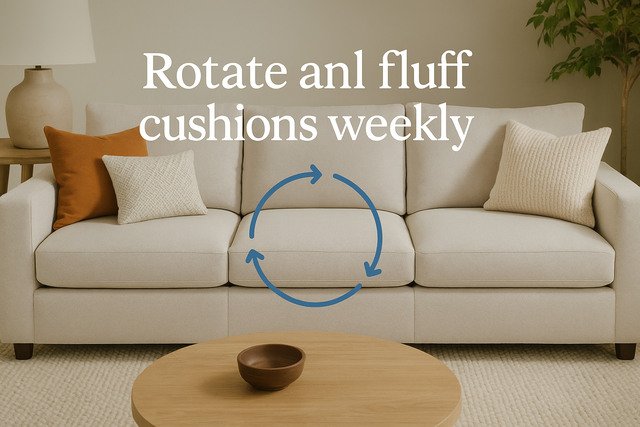
Rotate and fluff cushions weekly.
-
Avoid sitting in the same spot every day.

❓ Frequently Asked Questions
What size sectional do I need for my living room?
Measure your space and choose a sectional that leaves at least 18–24 inches of clearance around it.
Can you separate a sectional couch?
Yes, many modular sectionals are designed to be taken apart and rearranged.
Are modular sectionals worth it?
They offer unmatched flexibility and adaptability, especially for growing families or frequent movers.
What is the average lifespan of a sectional?
With proper care, sectionals can last 7–15 years depending on material quality.
How do I keep my sectional from sliding apart?
Use connector brackets or non-slip pads underneath each section.
🏁 Conclusion
A sectional couch can transform your living space, offering both style and comfort. Whether you prioritize space-saving designs, modular flexibility, or luxury features, there’s a sectional that fits your lifestyle. By understanding types, materials, layout strategies, and maintenance tips, you can make a confident purchase that lasts for years.


