


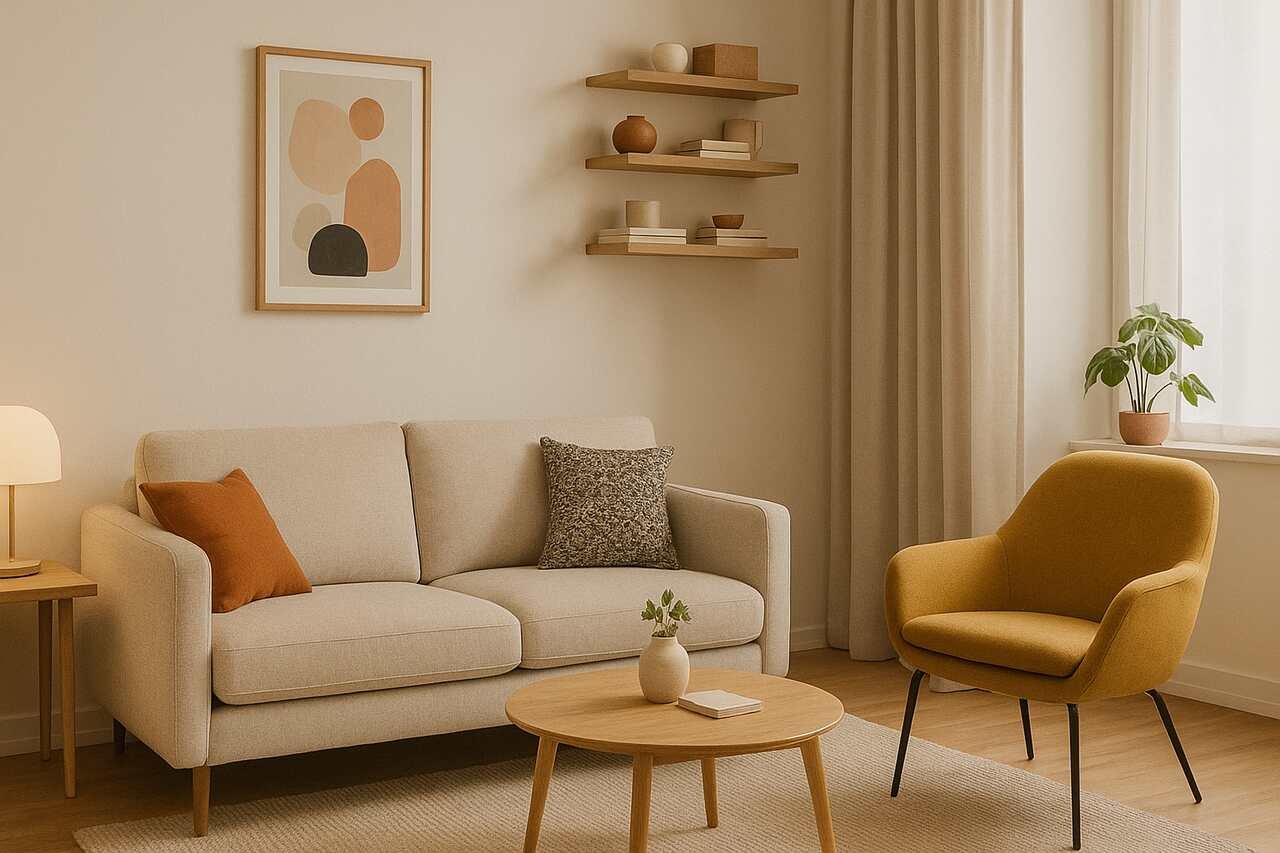
Small couches and chairs for living rooms are engineered for both comfort and compactness, offering seating solutions without overwhelming limited spaces. Ideal for apartment dwellers, studio residents, and micro-living enthusiasts, these furniture pieces enhance livability by balancing form, scale, and function. With innovative design trends such as modular loveseats, floating couches, and storage ottomans, users can maximize utility while maintaining aesthetic appeal. Whether prioritizing comfort, visual space, or multi-functional use, understanding the right dimensions and materials is crucial to creating a cohesive and clutter-free layout. High-performance compact furniture ensures your space remains adaptable for lounging, entertaining, or working—all without compromising on visual elegance.
What Are the Best Small Couches for Limited Living Room Spaces?
The best small couches for compact living rooms prioritize space efficiency, comfort, and modular design. Ideal options include loveseats, two-piece reversible sectionals, and low-profile sofas under 80 inches in length. Selecting the right piece involves evaluating room layout, usage frequency, and overall design style.
Modular Loveseats
Modular loveseats feature detachable sections for flexible configurations. With widths between 55–70 inches, they are ideal for small rooms and open-plan zones. Built-in connectors allow easy assembly while maintaining structural integrity. Many also offer optional ottomans or storage modules. Some brands include USB ports, pet-friendly fabrics, or eco-conscious foam options.
Floating Couches

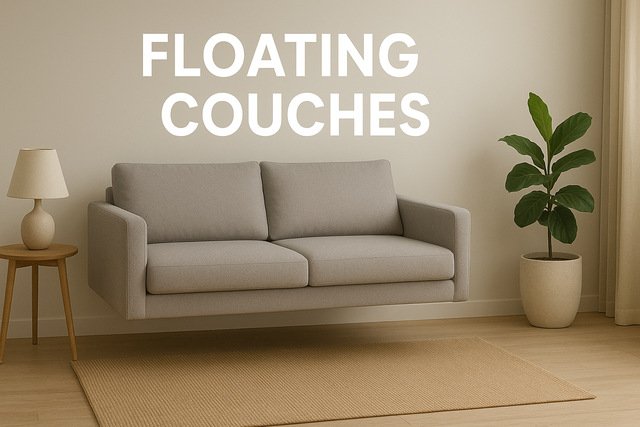
Floating couches, characterized by raised legs and minimal visual weight, promote airiness. By elevating the body of the couch, they expose more floor space, which contributes to a roomier feel. Wooden or metal legs create a sleek finish, especially effective in Scandinavian and mid-century layouts. Floating styles are great for placing in front of windows without blocking light.
Two-Piece Reversible Sectionals
Reversible sectionals allow users to change the orientation of the chaise or extension. This flexibility suits changing room layouts or rental spaces. Compact versions remain under 80 inches and are ideal for corner placements or floating center-room arrangements. Many also include pop-up storage or pull-out sleeper sections.
Armless Sofas

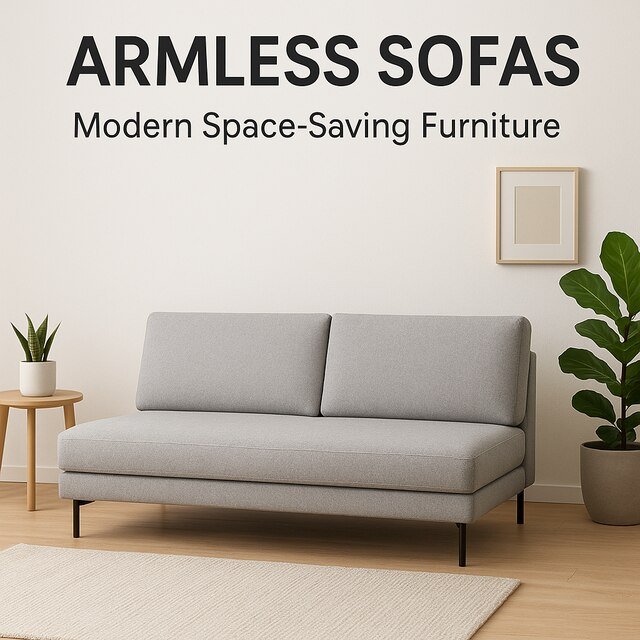
Armless sofas eliminate bulk at the ends, enhancing perceived openness. Their sleek profiles allow tight wall or corner placements, optimizing circulation paths. Available in upholstered, leather, and tufted finishes. These work especially well in minimalist or industrial interiors where every inch matters.
How Do You Choose Chairs That Won’t Overwhelm a Small Living Room?
Choosing chairs for a small living room requires prioritizing open frames, visible legs, low backs, and compact footprints. The goal is to provide extra seating without adding visual heaviness or clutter. Placement also matters—corner chairs, window-adjacent chairs, or rotating barrel chairs can help optimize limited areas.
Low-Profile Armchairs
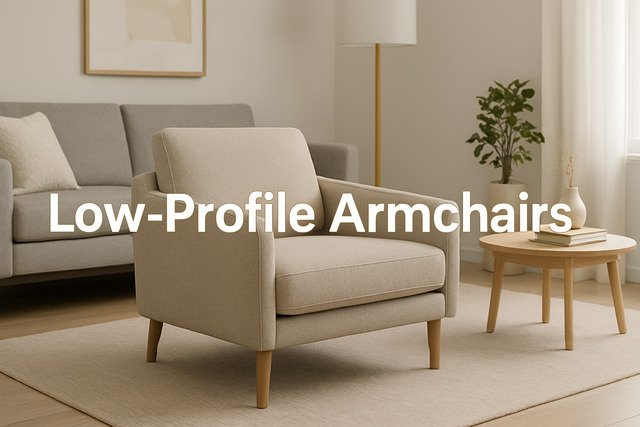
Low-profile armchairs feature lower seat backs (28–32 inches) and slimmer arms. These proportions align better with smaller couches and do not disrupt sightlines. Ideal materials include linen, boucle, and cotton blends. Neutral colors or muted tones allow them to blend into background without dominating the room.
Tufted Chairs for Small Spaces
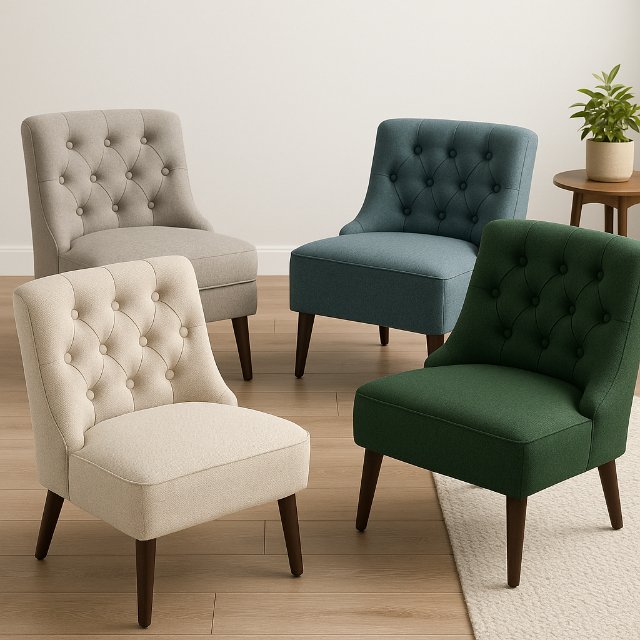
Tufted chairs introduce texture without bulk. Button-tufted backrests, especially in slipper or accent chair formats, add elegance and comfort without adding girth. Rounded edges and petite footprints keep them ideal for small layouts. Tufted elements also complement classic, glam, or eclectic interiors.
Armless Chairs
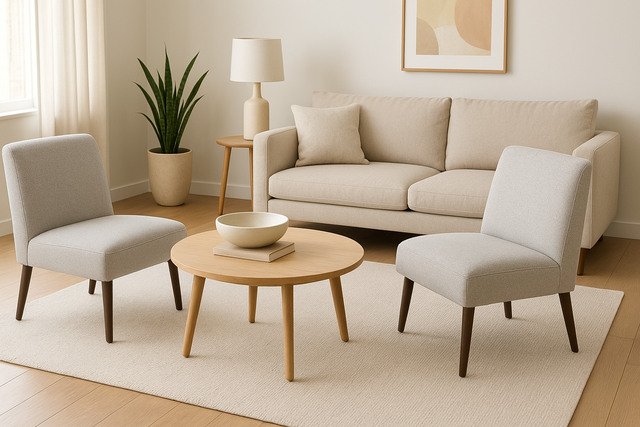
Armless chairs visually shrink the furniture profile and enhance flexibility in layout placement. These chairs can slide under windows or into room corners, doubling as reading nooks or guest seats. Some convertible models function as sleeper chairs or reclining loungers.
Chairs with Exposed Frames
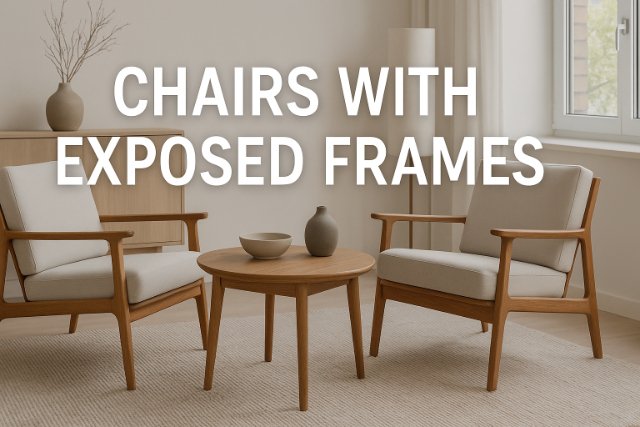
Open-frame chairs, such as mid-century wooden accent chairs, allow light to pass through, visually reducing density. They complement minimalist or Japandi interiors by supporting visual continuity. Their angular structure provides structure without volume.
Why is Scale and Proportion Important for Furniture in Small Rooms?
Scale and proportion ensure furniture complements rather than dominates a space. Oversized items disrupt flow and reduce usable surface area, while appropriately scaled pieces maintain balance and function. Every inch matters, so measurements should be carefully evaluated before purchase.
Visual Weight Management
Furniture with exposed legs, narrow arms, and low backs reduce visual weight. This increases the perception of airiness and movement, making the room feel larger. Compact silhouettes prevent blocking architectural features like radiators, doorways, or built-ins.
Ideal Dimensions
● Sofas: 68–80 inches in width, 30–34 inches in depth
● Chairs: 24–30 inches in width, 28–32 inches in height
● Coffee tables: Less than 40 inches in length and 20 inches in width
Small furniture with correct proportions leaves adequate circulation space and improves traffic flow.
Avoiding Overcrowding
Proper scaling avoids furniture overlap and maintains breathing space. Ideally, leave 18 inches between seating and tables, and a 36-inch walkway for foot traffic. Overcrowding not only clutters visually, but reduces functional comfort.
Rule of Thirds for Layout
Dividing the room into visual thirds helps position furniture for harmony. For instance, a compact couch can span two-thirds of a wall with matching chairs occupying the remaining space. Symmetry or purposeful asymmetry enhances balance.
Which Brands Offer Compact and Stylish Sofas for Apartments?
Several furniture brands focus on designing compact, stylish seating for small spaces. These brands offer modularity, stain-resistant fabrics, and aesthetic variety suited for modern apartments. User experience, easy delivery, and assembly are common value propositions.
Burrow
Burrow’s modular sofas are under 80 inches and feature built-in USB chargers, stain-resistant upholstery, and easy assembly. The Range and Nomad collections are especially popular for city living. Add-ons include ottomans, armrest trays, and slipcovers.
Article
Article’s mid-century-inspired sofas like the Ceni and Sven stay under 78 inches. Upholstery options range from velvet to leather, and their sleek profiles work well in tight spaces. Article also offers flat-rate shipping and tool-free setup.
IKEA
IKEA offers budget-friendly and compact models like KLIPPAN, FRIHETEN, and VIMLE. Most options come with storage or bed features ideal for multi-function rooms. Their global availability makes them ideal for renters and first-time homeowners.
Floyd
Floyd’s modular sofas start at apartment-friendly widths and allow add-on sections. Their platform base design keeps profiles low and streamlined. Floyd emphasizes sustainable materials and easy modular expansion.\Urban Ladder
(India)
Urban Ladder designs compact sectionals and accent chairs for Indian apartments. Pieces are built with tropical hardwood and support compact dimensions under 75 inches. Their AR preview feature helps visualize furniture in room scale.
What Are the Pros and Cons of Modular vs. Traditional Small Couches?
Modular and traditional small couches serve different needs. Understanding their trade-offs helps select the right one based on lifestyle, space limitations, and future changes. Durability, style, and adaptability factor into the decision.\
Modular Couches
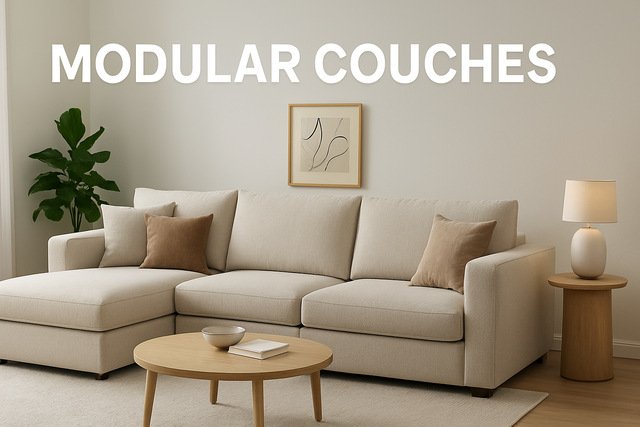
● Pros: Configurable, expandable, often include storage, easier to transport
● Cons: Higher initial cost, visible connectors, may require assembly
Modular sofas suit dynamic lifestyles, shared households, and evolving floor plans.
Traditional Couches
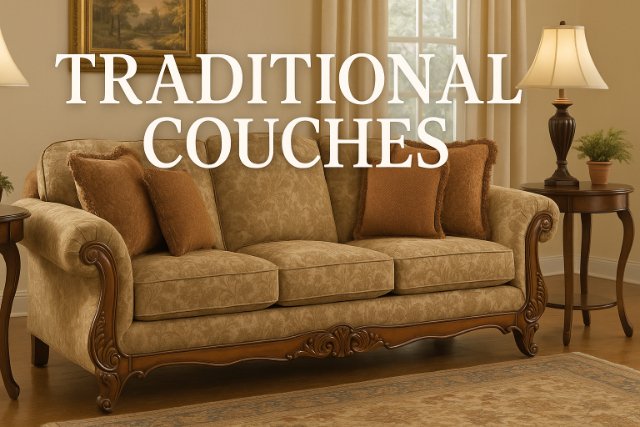
● Pros: Clean aesthetics, ready to use, generally less expensive
● Cons: Fixed shape, harder to move, limited storage or adaptability
Traditional models work well for timeless aesthetics and static layouts where simplicity is preferred.
How Do Budget Options Compare to Premium Compact Furniture Brands?
Budget and premium compact furniture differ in build quality, materials, comfort, and longevity. Both can serve small living rooms well depending on usage frequency and budget flexibility. Understanding value vs. cost helps buyers make informed decisions.
Budget Brands
Brands like IKEA, Amazon Basics, and Wayfair Essentials offer compact couches between $200–$600. Materials often include MDF frames and polyester upholstery. Best for short-term or light use. Often lack deep cushions or reinforced suspension.
Mid-Range Brands
Article, Urban Outfitters, and Burrow offer better construction, with prices between $700–$1300. Features include hardwood frames, high-resilience foam, and designer aesthetics. Most offer delivery and returns.
Premium Brands
Brands like Joybird, West Elm, and Design Within Reach offer top-tier materials, customizable finishes, and enhanced durability. Prices start from $1400 and often include warranties and white-glove delivery. Ideal for design-centric users seeking longevity and style.
Where Can I Buy Small Couches and Chairs Near Me or Online?
Both local and online retailers offer a wide range of small-scale seating. Online platforms provide broader selection and filters for dimensions and features, while local stores allow hands-on testing. Hybrid models like showroom + eCommerce enhance convenience.
Online Retailers
● Wayfair: Filter by size, material, color, and delivery
● Pepperfry (India): Local warehousing, modular options
● Amazon: Budget finds, fast delivery
● Urban Ladder: Regional support, compact wood frames
● West Elm: Premium designs with size filters
How Much Should You Budget for Space-saving Furniture?
Budgeting depends on room size, usage, and brand. Basic compact sets start at $400, while high-end modular seating can exceed $2500. Most buyers find value in the $800–$1500 range.
| Type | Budget Range | Features |
| Budget Loveseat | $200–$600 | Fixed frame, polyester fabric |
| Mid-Range Sectional | $700–$1300 | Modular, storage, performance fabric |
| Premium Couch | $1400+ | Custom finishes, warranty, eco-friendly frames |
Factor in taxes, delivery, assembly, and protection plans when finalizing the budget.
Are there affordable small couches with hidden storage or sleeper options?
Yes, many compact couches under $1000 now feature hidden storage or sleeper mechanisms. These pieces provide dual-functionality ideal for tight layouts. Multi-use sofas are essential in guest-ready or one-room apartments.
Storage Couches
● IKEA FRIHETEN: Lift-up chaise, bed function
● Novogratz Brittany: Tufted design with click-clack sleeper
● Urban Ladder Reid: Under-seat storage and pull-out bed
Sleeper Chairs
● Vonanda Sofa Bed Chair: Converts to chaise or single bed
● Giantex Convertible Chair: Adjustable backrest, 3-in-1 use
Look for models with washable covers and steel frames for durability.
FAQ’s
Between 68–80 inches in width, with a depth of 30–34 inches.
Yes, by using slim-profile pieces and proper layout planning. Leave at least 18 inches between pieces.
Floating couches with raised legs and low backs reduce visual weight.
Yes, reversible L-shaped designs optimize corners and offer lounging without added footprint.
Match scale, material, and style. Armless or open-frame chairs work best.
Interwood, Habitt, ChenOne, and Index specialize in apartment-sized options.
Not necessarily. Premium foam, ergonomic angles, and fabric choice ensure comfort even in compact models.
Yes, especially in square or narrow rooms. Choose coordinating chairs to maintain visual balance.


